Cat Food Digestibility by Brand
Hypothesis
Science Concepts Learned
Scientists use the pH scale, which runs from 0 to 14, to measure how sour or bitter a liquid is — lower numbers mean a stronger sour taste. In this experiment, each cat food sample soaks in acid solution at pH 2 for 12 hours. That closely simulates a cat's stomach, showing how pH helps re-create real digestive conditions in the lab.
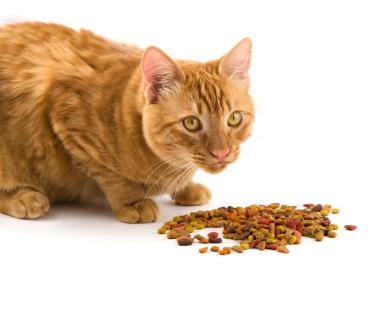
Digestion breaks food into usable pieces through a sequence of acid and enzyme action — but not all foods break down equally. To simulate a cat's digestive system, each 150-gram sample of four cat food brands soaks in hydrochloric acid at pH 2 for 12 hours, mimicking the stomach. Then it soaks in meat tenderizer for another 12 hours, since the tenderizer contains enzymes similar to those in a cat's small intestine. After drying, you weigh what remains and calculate the percentage digested. IAMS had the highest digestion rate among the four brands, showing that ingredient differences affect how completely food breaks down.
Special proteins speed up the chemical reactions that break down food — and that same process is at work in this project. You simulate a cat's digestive system using hydrochloric acid and meat tenderizer, where the tenderizer contains enzymes similar to those in a cat's small intestine. Four brands — IAMS, Friskies, Pet Promise, and Nutro Natural Dry — each soak first in acid at pH 2, then in the tenderizer solution. After drying, you weigh what remains and calculate the percentage digested, comparing how effectively each brand's nutrients become available through enzymatic digestion.
Method & Materials
MEL Chemistry — hands-on chemistry experiment kits delivered monthly — great for building lab skills at home. (Affiliate link)
See what’s includedResults
Why do this project?
Also Consider
Full project details
Additional information and source material for this project are available below.Related videos
Browse by Grade
Related Science Fair Project Ideas