Temperature and Methane from Cow Manure
Hypothesis
Science Concepts Learned
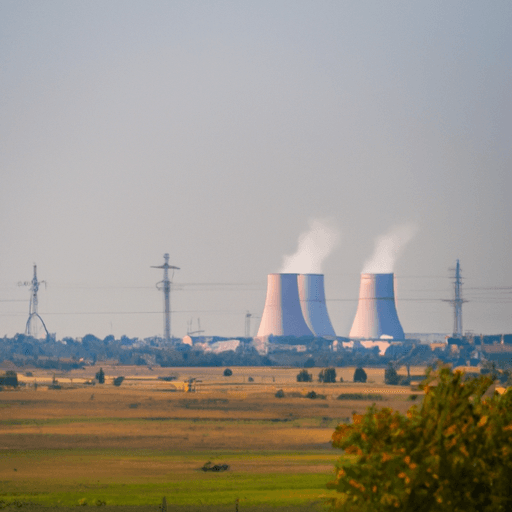
When bacteria break down organic material without oxygen, they release methane gas — and temperature controls how fast that happens. In this experiment, three sealed flasks hold equal amounts of cow manure and water at 14, 24, and 34 degrees Celsius. A tube from each flask leads to an inverted, water-filled measuring cylinder where the gas collects. After five days, the flask kept at 34 degrees Celsius produced the most methane by a wide margin.
Anaerobic digestion happens when tiny living things break down waste in a sealed space with no air. In this experiment, sealed flasks hold manure and water while bacteria break down the manure without oxygen, releasing methane gas that pushes water out of an inverted measuring cylinder. The flask at 34 degrees Celsius produced the most methane, showing that warmer conditions speed up the digestion process.
When bacteria break down organic waste in sealed, oxygen-free containers, they release methane gas — that's biogas forming in real time. In this experiment, cow manure and water sit in sealed flasks, each connected by a tube to an inverted, water-filled measuring cylinder. As bacteria digest the manure without oxygen, methane collects in the cylinder. Temperature drives how fast that happens: the flask at 34 degrees Celsius produced the most methane by a wide margin, while the refrigerator flask at 14 degrees barely registered. Warmer conditions speed up bacterial activity, which is why the hot-plate flask outpaced both the refrigerator and room-temperature setups.
Methane gas from cow manure is a renewable energy source because bacteria keep producing it as long as organic material is available. When three sealed flasks of manure and water sit at 14, 24, and 34 degrees Celsius, a tube from each leads to an inverted water-filled measuring cylinder where the gas collects. After five days, the flask at 34 degrees Celsius produced the most methane by a wide margin.
Method & Materials
Eureka Crate — engineering & invention kits for ages 12+ — monthly projects that build real-world skills. (Affiliate link)
See what’s includedResults
Why do this project?
Also Consider
Full project details
Additional information and source material for this project are available below.Related video
Related Science Fair Project Ideas