

Soil Type and Liquefaction
Medium
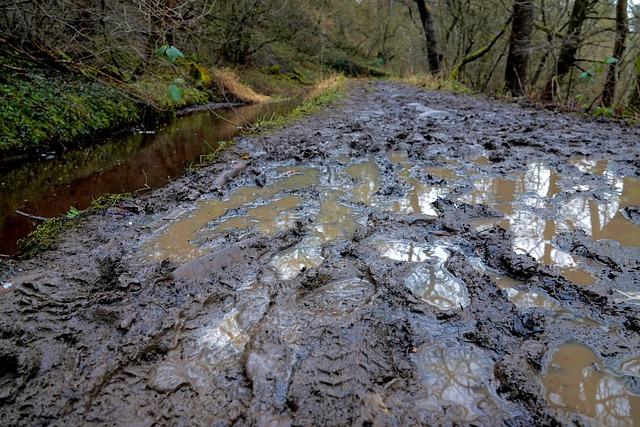
Does the type of soil under a building decide how much it sinks during an earthquake? Liquefaction (when waterlogged soil loses its strength) is one of the biggest dangers in seismic zones.
You fill three pails with sand, clay, and loam. You place bricks on top, then slowly add water in 100 ml doses. You count how many doses it takes for the bricks to sink 30 mm. The results show which soil type resists liquefaction the longest.
Hypothesis
The hypothesis is that sand will require the most water before soil liquefaction occurs.
Method & Materials
You will fill each pail with a different type of soil, stack the bricks on top, draw a line to mark the sinking of the brick, and pour 100ml of water into the soil. You will repeat this process until the bricks sink or collapse.
You will need 1 pail of sand, 1 pail of clay, 1 pail of loam, tap water, 1 measuring jug, 3 bricks, 1 black marker, 1 ruler, and 1 stopwatch.
Tinker Crate — science & engineering build kits for ages 9–12 — real tools, real experiments, delivered monthly. (Affiliate link)
See what’s includedResults
The results showed that sand required the most amount of water to sink the brick, while loam soil required the least amount of water. This proved the hypothesis to be true.
Why do this project?
This science project is interesting because it shows how soil liquefaction can cause serious damage to buildings and property. It is important to understand the conditions under which different types of soil liquefy.
Also Consider
Experiment variations include filling a pail with several types of soil, compressing the soil and inverting the pail on the ground to create a mound of soil. Additionally, adding rocks or mixing different types of soil together can be done to compare the results.
Full project details
Additional information and source material for this project are available below.Related videos
These videos explain the science behind this project and demonstrate key concepts used in the experiment.
Share this Science Project:
Related Science Fair Project Ideas

Transform crayons into three types of model rocks and see how the real rock cycle works.
Medium
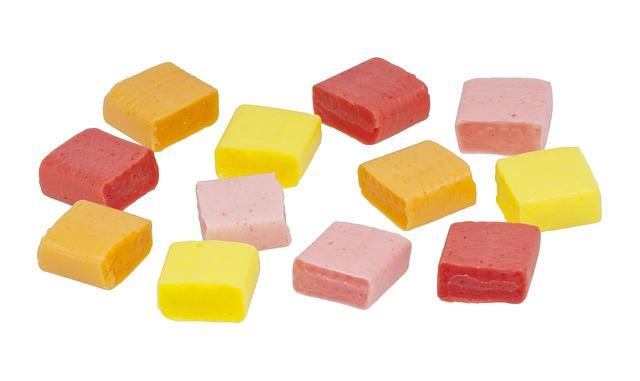
Reshape Starburst candies with heat and pressure to model how the Earth forms three types of rock.
Medium
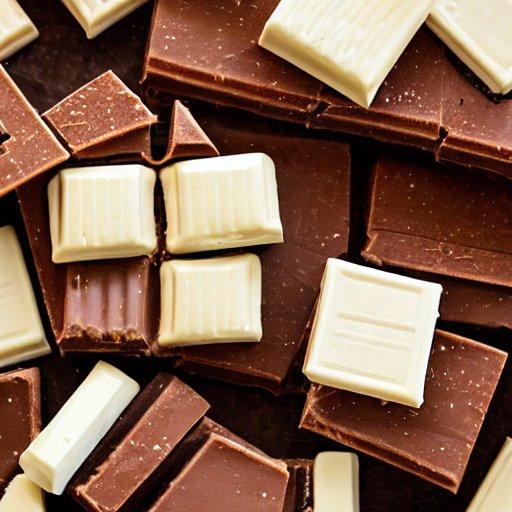
Use chocolate shavings and heat to build three types of model rock that match real geology.
Medium
Share this Science Project: