Soil Type, Fertilizer, and Electrical Conductivity
Hypothesis
Science Concepts Learned
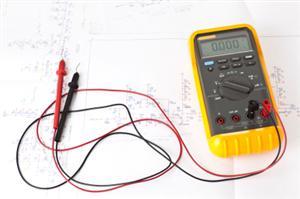
Electrodes can be used to test whether a material conducts electricity. You insert copper electrodes into a beaker of wet soil and connect them to a battery and a milliammeter. Electricity moves into the soil through one electrode and out through the other, and the milliammeter shows how much current passes through.
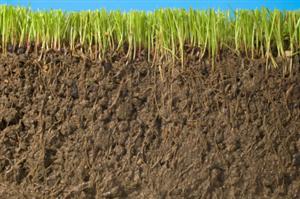
Different materials let electric current pass through them with different ease. In this experiment, you fill beakers with sand, clay, loam, and loam mixed with liquid fertilizer, then measure the current with a milliammeter. The fertilizer-enriched loam conducts the most current by far, showing that soil type changes how easily current flows.
Method & Materials
MEL Physics — hands-on physics experiment kits delivered monthly — real experiments, not just reading. (Affiliate link)
See what’s includedResults
Why do this project?
Also Consider
Full project details
Additional information and source material for this project are available below.Related Science Fair Project Ideas