

Socks, Sweat, and Shoe Bacteria
Medium
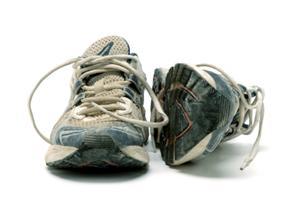
Do socks reduce the amount of bacteria that grows inside a sweaty shoe? Five participants each wear one shoe with a sock and the other without. After three hours of walking and physical activity the shoes are collected.
You swab the inside of each shoe and spread the sample on an agar dish. After five days you measure the diameter of each bacteria colony. Every shoe worn without a sock produces a larger colony than its socked pair.
Hypothesis
The hypothesis is that the amount of bacteria in the shoe will be higher if worn without socks.
Method & Materials
You will need 5 participants, 5 pairs of running shoes, 5 pairs of cotton socks, 10 petri dishes prepared with agar, 10 disinfected swabs, and a bottle of disinfected water. The participants will wear the socks on their right foot only, and the left foot will be worn without socks. They will then perform physical activities for 3 hours. After 3 hours, the shoes will be collected and the bacteria growth in the petri dishes will be measured.
You will need 10 petri dishes prepared with agar, 10 disinfected swabs, 1 bottle of disinfected water, 5 pairs of running shoes, 5 pairs of cotton socks, 5 participants, and 1 marker pen.
Eureka Crate — engineering & invention kits for ages 12+ — monthly projects that build real-world skills. (Affiliate link)
See what’s includedResults
The results showed that all petri dishes with the sample taken from shoes worn without socks demonstrated a higher rate of bacteria growth. This proves that the hypothesis is true - the amount of bacteria in the shoe will be higher if worn without socks.
Why do this project?
This science project is interesting because it explores the relationship between bacteria and sweat, and how it affects the smell of our shoes. It also provides a solution to reduce the smell of our shoes.
Also Consider
Experiment variations include wearing socks made from different materials like cotton or polyester, and using shoes made from different materials like leather, PVC, etc.
Full project details
Additional information and source material for this project are available below.Related videos
These videos explain the science behind this project and demonstrate key concepts used in the experiment.
Share this Science Project:
Related Science Fair Project Ideas
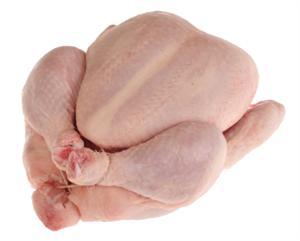
Swab fresh, frozen, and irradiated chicken onto agar plates and measure which processing method leaves the fewest bacteria behind.
Medium
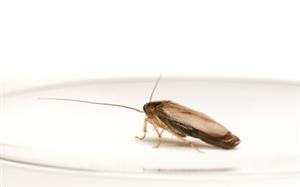
Let four insects walk across agar dishes and measure which one leaves behind the largest colony of bacteria after five days.
Medium
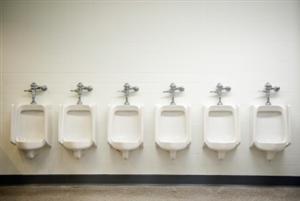
Swab five waterless and five water-based urinals, grow the bacteria in petri dishes, and measure which type produces larger colonies.
Medium
Share this Science Project: