Coil Turns and Induced Voltage
Hypothesis
Science Concepts Learned
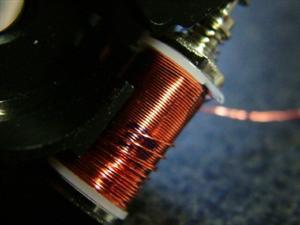
Wind insulated wire around a hollow box and spin magnets inside it, and the changing magnetic field creates a current. When you compare coils wound at 150, 300, and 450 turns, a digital voltmeter shows something clear: the more turns, the higher the voltage reading. That's the push at work — more wire in the coil means a stronger push moving energy through the circuit.
Spinning magnets inside a coil of wire create a changing magnetic field, and that changing field generates a current in the wire. The number of wire turns in the coil directly affects how much voltage the spinning magnets produce. When you wind more turns around the same box — 150, 300, or 450 — each additional loop captures more of the changing field. That means a higher voltage reading on the digital voltmeter, confirming that coil turns and voltage rise together.
A generator's output depends on how many turns of wire wrap around its coil. You wind insulated wire around three identical boxes at 150, 300, and 450 turns, then spin magnets inside each using an electric screwdriver. As the magnets spin, their changing magnetic field creates a current in the wire. A digital voltmeter shows the result: the more turns the coil has, the higher the voltage reading. Each additional loop captures more of that changing field, converting more spinning motion into electric power.
Method & Materials
MEL Physics — hands-on physics experiment kits delivered monthly — real experiments, not just reading. (Affiliate link)
See what’s includedResults
Why do this project?
Also Consider
Full project details
Additional information and source material for this project are available below.Related videos
Related Science Fair Project Ideas