Wire Temperature and Electrical Resistance
Hypothesis
Science Concepts Learned
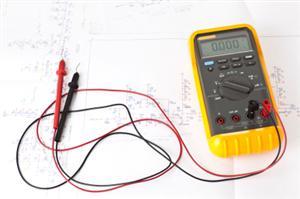
Heat slows the flow of charged bits through a wire — and this experiment makes that pattern visible. You wind copper wire around a PVC pipe, connect it to three 1.5V batteries, and measure current with an ammeter while an infrared thermometer tracks the wire's temperature. Every 10°C rise, you also read the resistance with an ohm meter. As the wire heats up, resistance climbs steadily and the current drops in step with it.
Every material fights the flow of electric current by some amount, and an ohm meter lets you measure that resistance directly. Tracking resistance at each 10°C temperature step reveals a clear pattern: as the wire gets hotter, its resistance rises and the current drops. The same wire carries less current at higher temperatures because the material fights the flow of electrons more strongly.
Method & Materials
MEL Physics — hands-on physics experiment kits delivered monthly — real experiments, not just reading. (Affiliate link)
See what’s includedResults
Why do this project?
Also Consider
Full project details
Additional information and source material for this project are available below.Related videos
Browse by Grade
Related Science Fair Project Ideas