

Left-Pawed or Right-Pawed Dogs
Medium
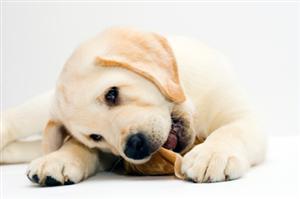
Do dogs favor one paw over the other the same way humans favor one hand? Most people are right-handed. This project finds out whether dogs show a similar pattern.
You test 20 dogs using two tasks. First, you offer a handshake and note which paw they extend. Then you place a biscuit in a pouch and watch which paw they use to hold it down. You repeat each task four times per dog.
The combined results reveal whether dogs tend to prefer one paw or use both equally.
Hypothesis
The hypothesis is that most dogs are right pawed, just like human beings.
Science Concepts Learned
Laterality
Laterality can be measured by giving the same animal more than one physical task. You test 20 dogs using two tasks: a handshake and a biscuit pouch. You repeat each task four times per dog. The combined results reveal whether dogs tend to prefer one paw or use both equally.
Method & Materials
You will select 20 dogs of various breeds and genders, and observe them using a handshake test and a food touch test to determine their paw preference.
You will need a dog trainer, a box of dog biscuits, and a pouch.
Tinker Crate — science & engineering build kits for ages 9–12 — real tools, real experiments, delivered monthly. (Affiliate link)
See what’s includedResults
The results showed that out of the 20 dogs, 12 dogs or 60% of them were left pawed. Another 3 dogs or 15% were right pawed and 5 dogs or 25% were ambidextrous. This disproves the hypothesis that most dogs are right pawed.
Why do this project?
This science project is interesting because it helps us understand the relationship between animal behavior and their preferred use of left or right paw.
Also Consider
Consider repeating the experiment using cats instead of dogs, or comparing the paw preference based on the breed and gender of the dog or cat.
Full project details
Additional information and source material for this project are available below.Related videos
These videos explain the science behind this project and demonstrate key concepts used in the experiment.
Share this Science Project:
Related Science Fair Project Ideas
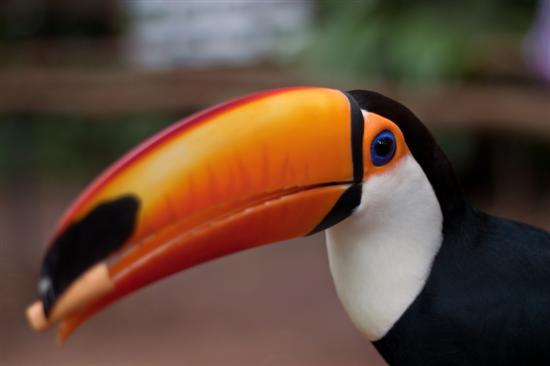
Match bird beaks to hardware store tools and use the tool's purpose to predict what each bird eats.
Medium
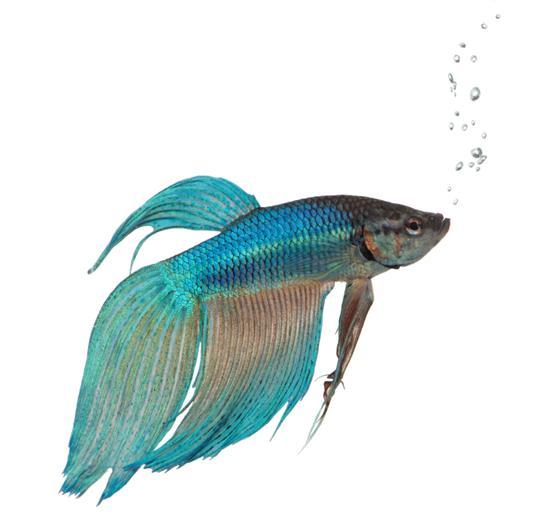
Show a betta fish its own reflection again and again to discover how quickly it stops flaring at the mirror.
Medium
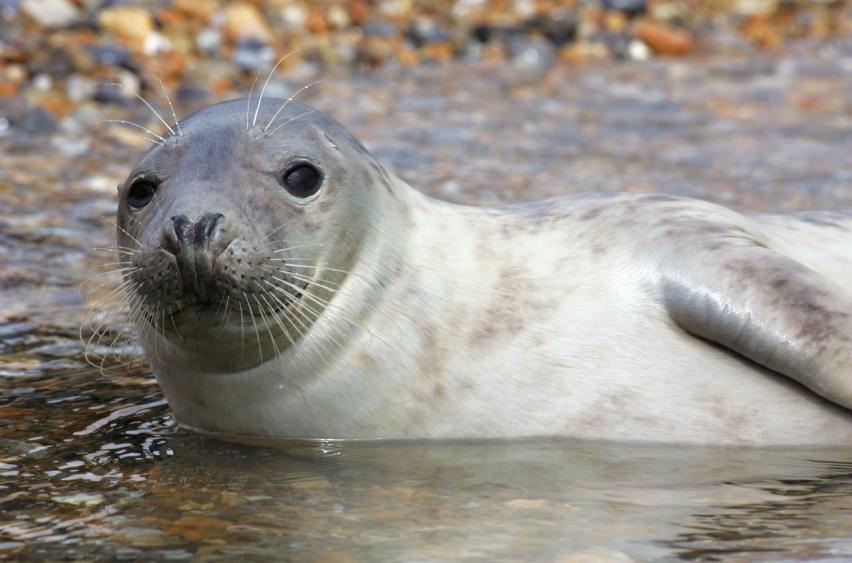
Pick any biome, find two species on different continents, and discover how the same environment can sculpt unrelated animals into near look-alikes.
Medium
Share this Science Project: