

Bacteria on Everyday Surfaces
Medium
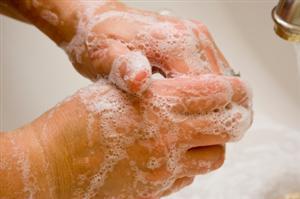
Which everyday surface carries the most germs? You touch door knobs and keyboards and water cooler handles every day. But some of these surfaces hold far more bacteria than others.
You swab five common surfaces and transfer each sample to an agar petri dish. After five days you count the bacteria colonies that have grown in each dish.
The results may surprise you. The surface with the most bacteria is not the one most people expect.
Hypothesis
The hypothesis is that continuously damp places such as the button/handle of a water cooler will have the highest amount of germs.
Science Concepts Learned
Microorganisms
Door knobs, keyboards, water cooler handles — you touch these surfaces every day without seeing what lives on them. Swab five common surfaces, transfer each sample to an agar petri dish, and after five days the bacteria colonies that grow tell a clear story. Some surfaces hold far more bacteria than others, and the results are not always what you would expect.
Method & Materials
You will use 5 agar petri dishes, 5 disinfected swabs, 1 bottle of disinfected water, and 1 marker pen. You will rub the swab on different surfaces and roll it over the agar in the petri dishes.
You will need 5 agar petri dishes, 5 disinfected swabs, 1 bottle of disinfected water, and 1 marker pen.
Tinker Crate — science & engineering build kits for ages 9–12 — real tools, real experiments, delivered monthly. (Affiliate link)
See what’s includedResults
The results showed that petri dish C (water cooler) and E (door knob) had the largest bacterial growth. This proves that the hypothesis that continuously damp places have the highest amount of germs is true.
Why do this project?
This science project is interesting and unique because it allows us to explore the world of germs and understand how they can affect our lives.
Also Consider
Experiment variations to consider include testing for bacteria at locations like restaurants, schools and other public areas, and repeating the experiment using personal items like mobile phones, wallets, watches, etc.
Full project details
Additional information and source material for this project are available below.Related videos
These videos explain the science behind this project and demonstrate key concepts used in the experiment.
Share this Science Project:
Related Science Fair Project Ideas
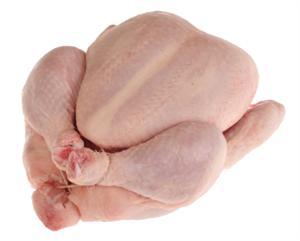
Swab fresh, frozen, and irradiated chicken onto agar plates and measure which processing method leaves the fewest bacteria behind.
Medium
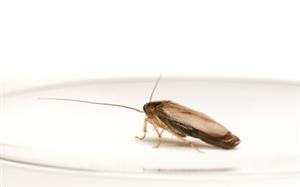
Let four insects walk across agar dishes and measure which one leaves behind the largest colony of bacteria after five days.
Medium
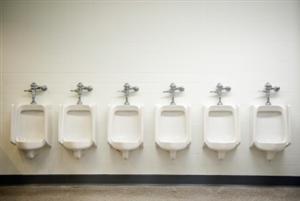
Swab five waterless and five water-based urinals, grow the bacteria in petri dishes, and measure which type produces larger colonies.
Medium
Share this Science Project: