

Water Temperature and Convection
Medium
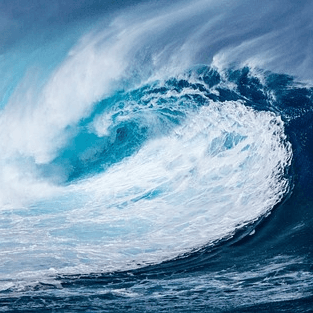
What happens when you drop food coloring into hot water versus cold water? The color moves at very different speeds. This is convection (the movement of molecules in a liquid as temperature changes).
Fill one heat-proof jar with ice-cold water. Fill a second with room-temperature water and a third with hot water. Add one drop of food coloring to each jar at the same time.
Watch how the color spreads in each jar. The difference shows how temperature controls the speed of molecular movement.
Hypothesis
The hypothesis is that temperature affects the movement of water.
Method & Materials
You will fill three jars with water of different temperatures, add food coloring to each jar, and observe what happens to the food coloring.
You will need three heat-proof jars, food coloring, and water.
Kiwi Crate — hands-on STEAM project kits for ages 6–9, delivered monthly. (Affiliate link)
See what’s includedResults
The results of the experiment showed that the food coloring moved differently in the jars of water with different temperatures. In the jar of hot water, the food coloring moved quickly to the top, while in the jar of cold water, the food coloring moved slowly to the bottom.
Why do this project?
This science project is interesting because it allows students to observe the effects of temperature on the movement of water in a simple and fun way.
Also Consider
Variations of this experiment could include testing the effects of salinity on the movement of water or testing the effects of different temperatures on the movement of oil.
Full project details
Additional information and source material for this project are available below.Related video
These videos explain the science behind this project and demonstrate key concepts used in the experiment.
Share this Science Project:
Browse by Grade
Featured In
Related Science Fair Project Ideas
Burn equal pieces of oak, maple, cedar, and pine under water to discover which wood type produces the most heat.
Medium
Compare water in a wide plate versus a narrow glass, sun versus shade, and fan versus still air to see what speeds up evaporation.
Medium
Wrap flasks of hot water in five different fabrics and track temperature over two hours to find the best insulator.
Medium
Share this Science Project: