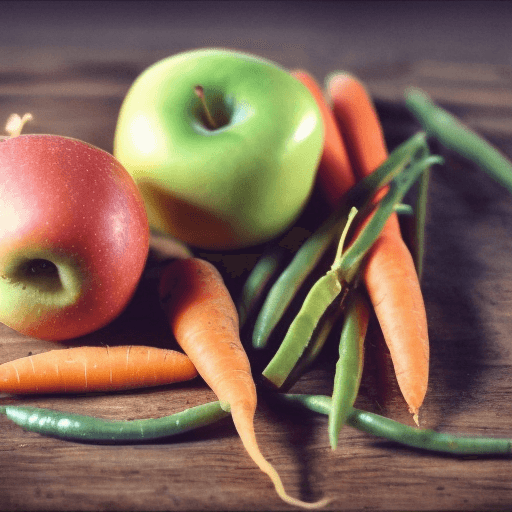
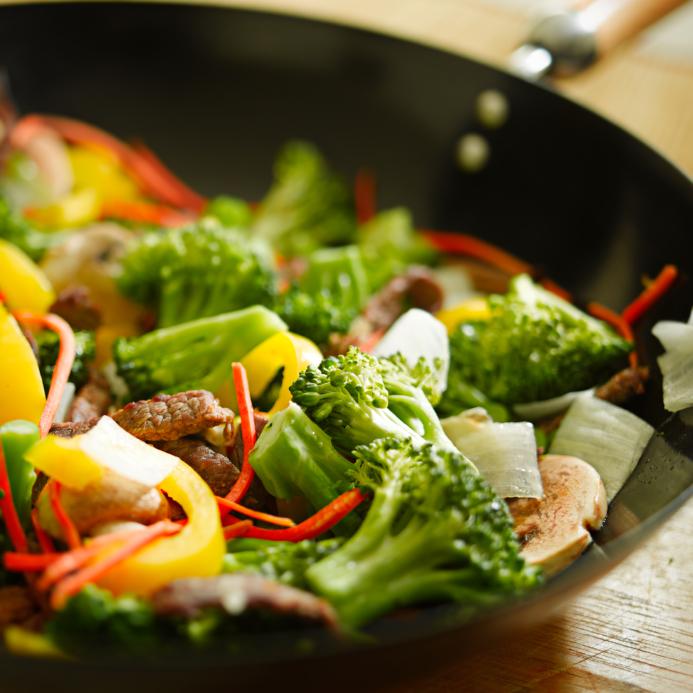
Do canned and frozen vegetables release more gas than fresh ones during digestion? Processing changes the structure of food. That may change how much gas forms when acids break it down.
You grind up samples of four foods in fresh and frozen and canned forms. Each sample goes into a test tube with vinegar to simulate digestion. A balloon stretched over the top captures any gas produced. After eight hours of gentle heat you measure each balloon's width.
The results show whether processing increases gas production compared to fresh foods.
Hypothesis
The hypothesis is that processed foods will produce gases.
When vinegar meets ground-up food in a test tube, the acid reacts with the food and releases carbon dioxide gas. A balloon stretched over the top of the tube puffs up as the gas collects inside it. Fresh and processed forms of the same food produce different amounts of gas, so some balloons end up wider than others after eight hours of gentle heat.
Digestion relies on acids to break food into pieces small enough for your body to use. When acids meet food, gas can form as a byproduct — and processing may change how much. This experiment grinds fresh, frozen, and canned samples of four foods and places each into a test tube with vinegar to simulate digestion. A balloon stretched over the top captures any gas produced. After eight hours of gentle heat, you measure each balloon's width to see whether processed foods generate more gas than fresh ones.
Method & Materials
You will compare fresh and processed fruits and vegetables, simulate digestion with vinegar and heat, and measure the amount of gas generated with a balloon.
You will need fresh and processed fruits and vegetables, vinegar, heat, and a balloon.
MEL Chemistry — hands-on chemistry experiment kits delivered monthly — great for building lab skills at home. (Affiliate link)