Search for Science Fair Projects

1000 Science Fair Projects with Complete Instructions

Yeast Science Fair Project

Sugar Content and Juice Fermentation
Medium
Sugar Content and Juice Fermentation | Science Fair Projects | STEM Projects
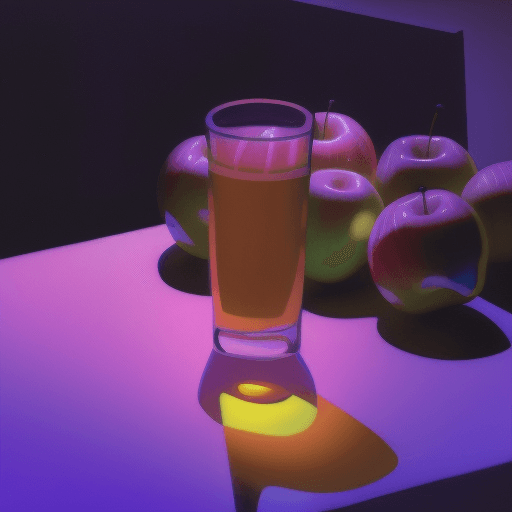
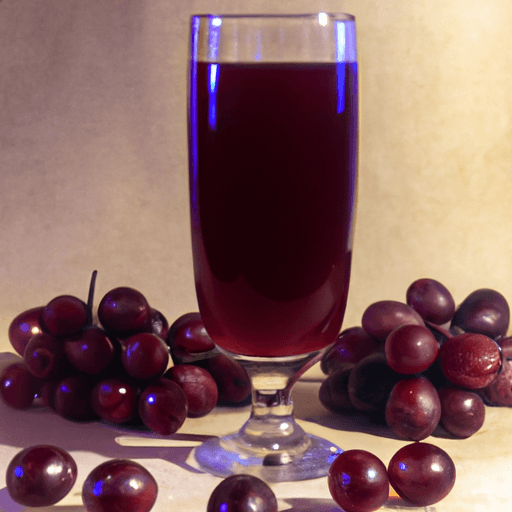
How does sugar content affect fermentation across different fruit juices? Yeast breaks down sugar into alcohol and carbon dioxide. Juices with more sugar might produce more fermentation. You pour 250 milliliters each of three juices into separate containers: - Orange juice - Apple juice - Cranberry-grape juice You measure sugar content with a Brix meter before adding one gram of yeast. A set of orange juice containers without yeast serves as the control. After 72 hours you measure the sugar again and calculate how much was consumed. Orange juice had the highest starting sugar and produced the most fermentation. Its surface turned foamy. Apple and cranberry-grape juice turned murky with bubbles forming on top.

Hypothesis

The hypothesis is that the fruit juice with a higher percentage of sugar will produce more fermentation.

Science Concepts Learned

Fermentation

Fermentation needs sugar as fuel. Yeast turns that sugar into gas and alcohol. Juices with more sugar produce more fermentation, which is why orange juice fermented the most in this test.

Yeast

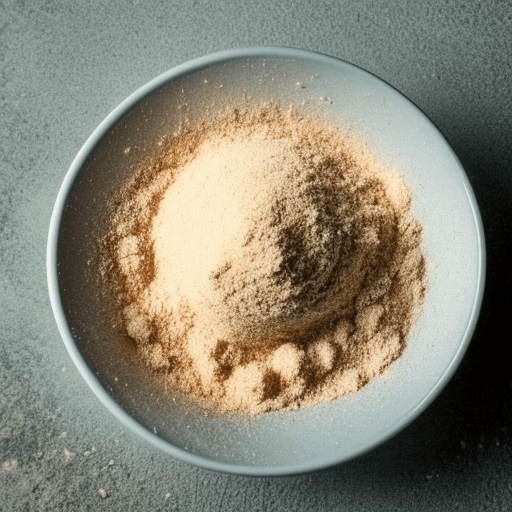
Yeast is a tiny living thing that eats sugar and makes gas. You add one gram of yeast to containers of orange, apple, and cranberry-grape juice. The juice with more sugar produces more gas.

Brix Meter

Sugar content varies across fruit juices, and a Brix meter lets you measure exactly how much is present before and after fermentation. You pour 250 milliliters each of orange, apple, and cranberry-grape juice into separate containers, then measure the Brix reading of each. After adding one gram of yeast and waiting 72 hours, you measure again. The drop in the Brix reading shows how much sugar the yeast consumed.

Method & Materials

You will label four containers for each type of juice, add 250ml of each juice to the containers, add one gram of yeast to each container, measure the sugar content before and after the fermentation process, and compare the results.
You will need a Brix meter, transparent containers, yeast, orange juice, apple juice, cranberry-grape juice, a cylinder, a gram scale, and a thermometer.

Tinker Cratescience & engineering build kits for ages 9–12 — real tools, real experiments, delivered monthly. (Affiliate link)

See whats included

Results

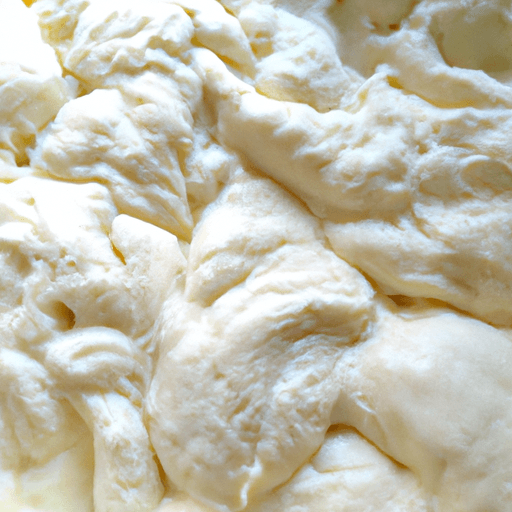
The results showed that the orange juice produced the most fermentation, which supports the hypothesis that the juice with a higher sugar content will produce more fermentation. An interesting observation was that the orange juice turned foamy on the surface and a "gooey" substance formed on the bottom of the container.

Why do this project?

This science project is interesting because it can be used by wineries to determine which fruit juice ferments best.

Also Consider

Experiment variations to consider include using more yeast and using another type of juice with two of them mixed together like the cranberry-grape juice.

Full project details

Additional information and source material for this project are available below.
Share this Science Project:

Related Science Fair Project Ideas

Yeast Grains and Signs of Life
Put balloons on test tubes of yeast and sugar to find out whether those tiny brown grains are really alive.
Medium
Yeast, Soda Pop, and CO2 Balloons
Add yeast to different sodas and stretch balloons over the bottles to see which drink produces the most CO2.
Medium
UV Light and Yeast Fermentation Rate
Shine a UV lamp on fermenting apple juice and measure whether yeast produces less carbon dioxide.
Medium
Share this Science Project: