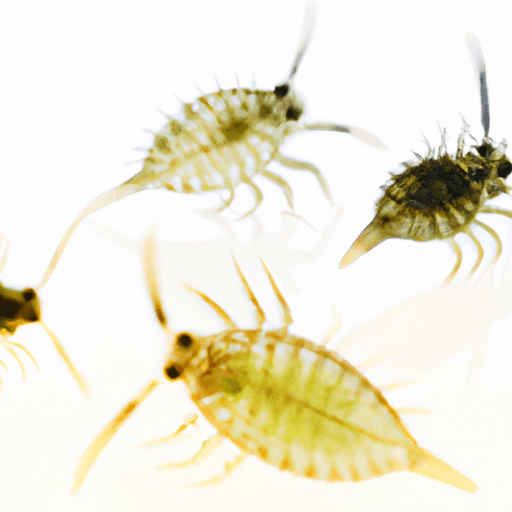
Can common medicines speed up or slow down a tiny animal's heartbeat? Daphnia are small freshwater creatures with a transparent body. You can watch their heart beat under a microscope.
You dissolve three over-the-counter medications into separate water solutions:
- Pseudoephedrine (a decongestant)
- Aspirin (a pain reliever)
- Benadryl (an antihistamine)
First, record the heart rate of ten daphnia in plain water as a control. Then place new groups of daphnia in each medication solution. Use a video camera attached to the microscope and count heartbeats in slow-motion playback.
Compare each group's heart rate to the control to see which drugs speed the heart up and which slow it down.
Hypothesis
The hypothesis is that Pseudoephedrine will increase the heart rate of daphnia, aspirin will increase the heart rate of daphnia, and Benadryl will decrease the heart rate of daphnia.
Chemicals can alter the number of beats per minute, even in animals other than humans. Daphnia are small freshwater creatures with transparent bodies, which means you can watch their hearts directly under a microscope. You dissolve three over-the-counter medications into separate water solutions — pseudoephedrine (a decongestant), aspirin (a pain reliever), and Benadryl (an antihistamine) — then place new groups of daphnia in each one. A video camera attached to the microscope records the heartbeats in slow motion, and comparing each group to the plain-water control shows which drugs speed the heart up and which slow it down.
Different drugs produce different effects on the body — and daphnia make those effects visible. These small freshwater creatures have a transparent body, so their hearts can be watched beating under a microscope. Three over-the-counter medications — pseudoephedrine (a decongestant), aspirin (a pain reliever), and Benadryl (an antihistamine) — were each dissolved into separate water solutions. Groups of daphnia were placed in each solution, and their heart rates were compared to a control group in plain water to see which drugs sped the heart up and which slowed it down.
Their transparent body makes daphnia uniquely useful for testing how substances affect a living body. You can watch their heart beat directly under a microscope, with no dissection required. When you dissolve common over-the-counter medications — pseudoephedrine, aspirin, and Benadryl — into separate water solutions and record heart rates, each drug's effect on a real heartbeat becomes measurable. The control group in plain water gives you a baseline, and slow-motion video playback from a camera attached to the microscope makes counting heartbeats precise.
Method & Materials
You will set up a microscope and video camera, fill three beakers with water, dissolve pills in each beaker, and record the heart rate of the daphnia before and after the medications are administered.
You will need a microscope, video camera, Pseudoephedrine pill, Benadryl pill, Aspirin Pill, video tape, three Petri dishes, and three beakers.
Eureka Crate — engineering & invention kits for ages 12+ — monthly projects that build real-world skills. (Affiliate link)
The results of the experiment showed that Pseudoephedrine sped the daphnia's heart up, while the other two drugs slowed it down. This suggests that the hypothesis was accepted for Pseudoephedrine and Benadryl, but rejected for aspirin.
Why do this project?
This science project is interesting because it explores the effects of common over-the-counter medications on a tiny aquatic creature. It also provides an opportunity to use a microscope and video camera to measure the heart rate of the daphnia.
Also Consider
Variations to consider include testing the effects of different concentrations of the medications, or testing the effects of different types of medications.
Full project details
Additional information and source material for this project are available below.