
Eureka Crate — engineering & invention kits for ages 12+ — monthly projects that build real-world skills. (Affiliate link)
See what’s included
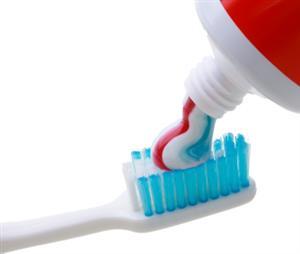

Medium
Swab your teeth before and after brushing with four toothpaste brands and compare the bacteria colonies that grow in each dish.
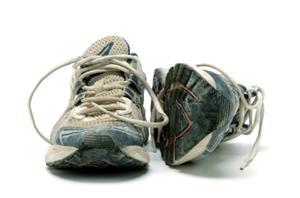
Medium
Swab the insides of shoes worn with and without socks after three hours of exercise and compare the bacteria that grow.
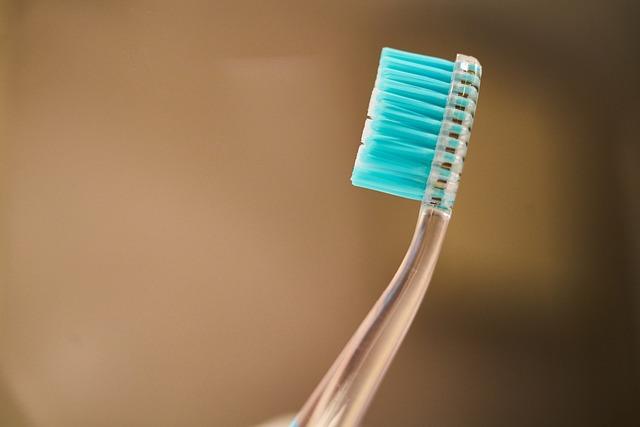
Medium
Swab three toothbrushes stored different ways onto agar dishes and discover which method grows the least bacteria.
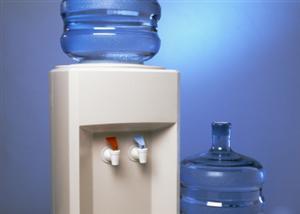
Medium
Swab water from a cooler and a tap into petri dishes and discover which source grows more bacteria.

Medium
Expose water from three sources to sunlight and compare bacteria growth on agar dishes before and after treatment.
Medium
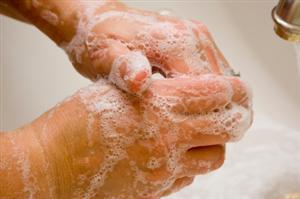
Swab five everyday surfaces and grow the samples in petri dishes to discover which spot carries the most bacteria.
Medium
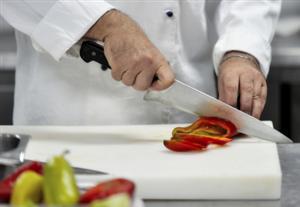
Cut chicken on Microban and plastic boards, then swab them to see which one grows fewer bacteria over five days.
Medium
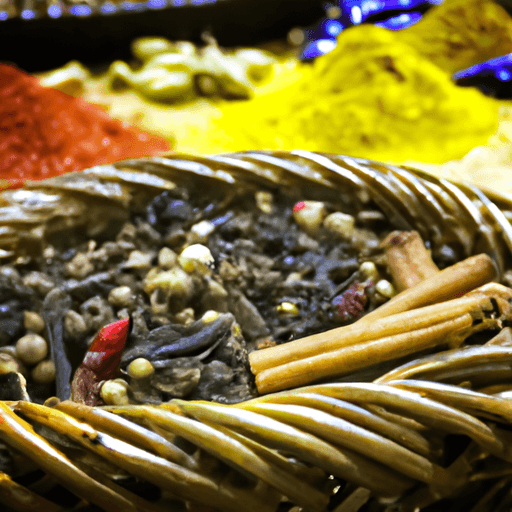
Place seven common spices near E. coli cultures and discover that coriander stops 100 percent of bacterial growth.
Medium
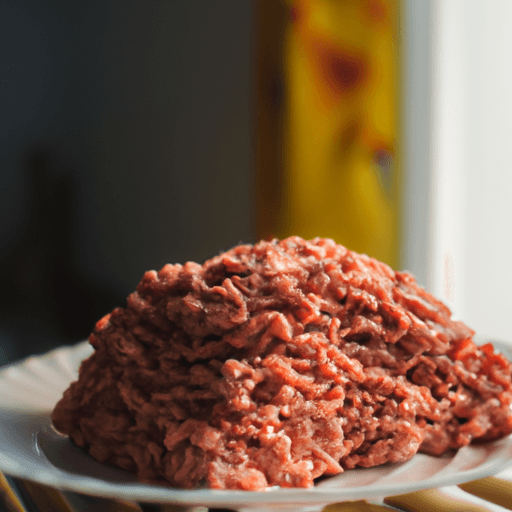
Swab agar dishes with juice from five beef brands and compare bacteria growth between standard and naturally raised meat.
Medium
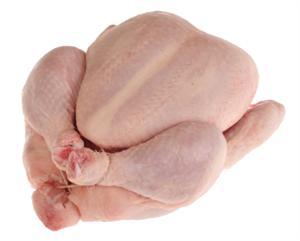
Swab fresh, frozen, and irradiated chicken onto agar plates and measure which processing method leaves the fewest bacteria behind.
Share this page:


Page 1 of 5


Science Concepts
Agar Plate CultureAntibiotic ResistanceAntibioticsAntimicrobial Properties of Natural SubstancesAntimicrobial SurfacesAseptic TechniqueBacterial Colony CountingBacterial ContaminationBacterial GrowthBiofilmBioluminescenceBioremediationCross-ContaminationDisinfectionE. coliFood IrradiationFood SafetyGram StainingHygiene and HandwashingIncubationKirby-Bauer Disk Diffusion TestMicroorganismsMicroscopyOral MicrobiomepH and Bacterial GrowthPropionibacterium acnesSolar Water DisinfectionSpectrophotometryTemperature and Bacterial SurvivalUltraviolet DisinfectionZone of Inhibition