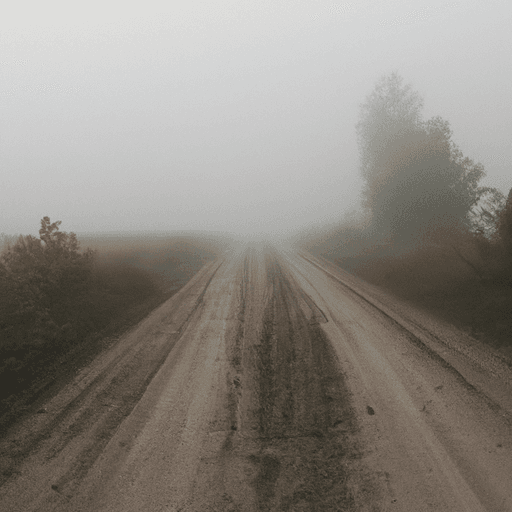
| Describe how fog forms It's easy to simulate the formation of radiation fog. All you need are two bottles with a narrow enough neck that you can stick an ice cube into the mouth. |
| | Difficulty: Middle school |
 | Does the amount of moisture in the atmosphere vary from place to place? Relative humidity, combined with air temperature, can be used to estimate the actual amount of moisture in the atmosphere, sometimes referred to as precipitable water. Water vapor acts as a green house gas by trapping infrared radiation reflected from the earth. This explains why desert temperatures can become much lower at night, as there is little moisture in the air to trap the heat. |
| | Difficulty: High school |
 | | | Difficulty: Middle school |
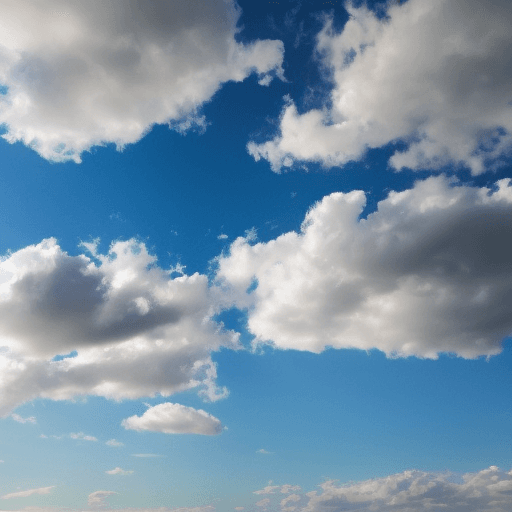
 | Explain the different types of clouds and how they are formed The purpose of this module is to introduce a number of cloud classifications, different types of precipitation, and the mechanisms responsible for producing them. The Clouds and Precipitation module has been organized into the following sections: |
| | Difficulty: Middle school |
 | How are clouds formed? By following these steps, you will have created the conditions necessary for cloud formation: water vapor in the air, smoke particles for water to collect on, and cooling of the air by lowering the air pressure within a bottle. |
| | Difficulty: Elementary school |
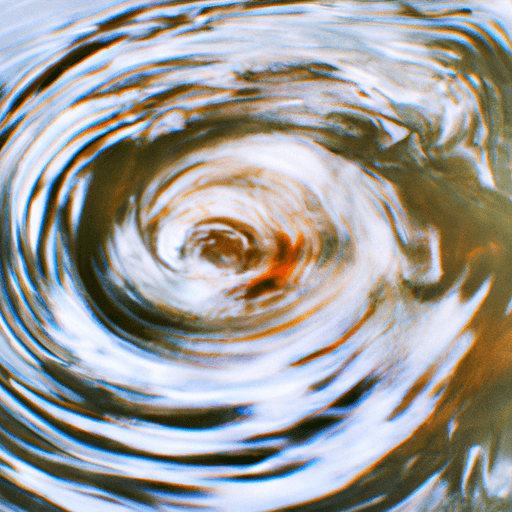
 | How to make a tornado in a bottle At the centre of the tornado is a spinning column of air called a vortex. Some tornadoes even have more than one vortex. This project lets you see what a tornado’s vortex looks like. So grab some supplies, and let’s give it a spin! |
| | Difficulty: Middle school |
|
 | | | Difficulty: Elementary school |
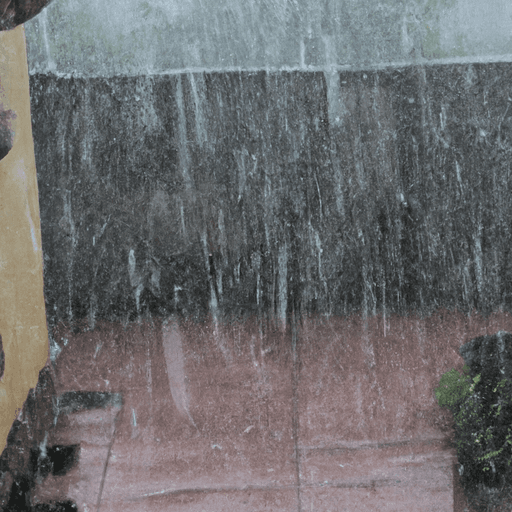
 | What is the water cycle? Precipitation, evaporation, and transpiration are all terms that sound familiar, yet may not mean much to you. They are all part of the water cycle, a complex process that not only gives us water to drink, fish to eat, but also weather patterns that help grow our crops. |
| | Difficulty: Middle school |
 | | | Difficulty: Elementary school |
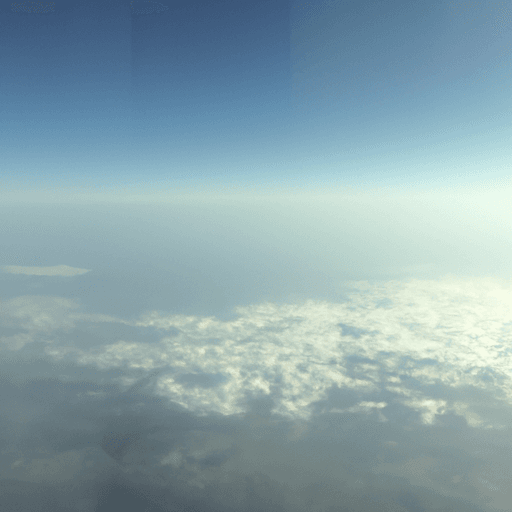
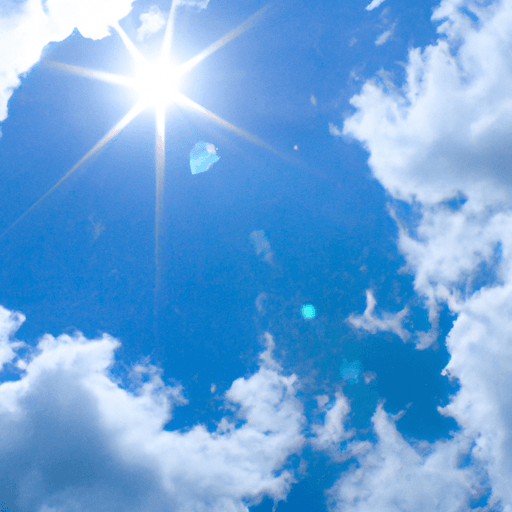
 | Why is the sky blue? The blue color of the sky is due to Rayleigh scattering. As light moves through the atmosphere, most of the longer wavelengths pass straight through. Little of the red, orange and yellow light is affected by the air. |
| | Difficulty: High school |
|
|
|
Science kits, science lessons, science toys, maths toys, hobby kits,
science games and books - these are some of many products that can
help give your kid an edge in their science fair projects, and develop
a tremendous interest in the study of science. When shopping for
a science kit or other supplies, make sure that you carefully review
the features and quality of the products. Compare prices by going
to several online stores. Read product reviews online or refer to
magazines.
|
|
|
|
|
|
|
|
|
|
|
|
|
|