| How to build a magnetic linear accelerator This very simple toy uses a magnetic chain reaction to launch a steel marble at a target at high speed. The toy is very simple to build, going together in minutes, and is very simple to understand and explain, and yet fascinating to watch and to use. |
| | Difficulty: Elementary school |
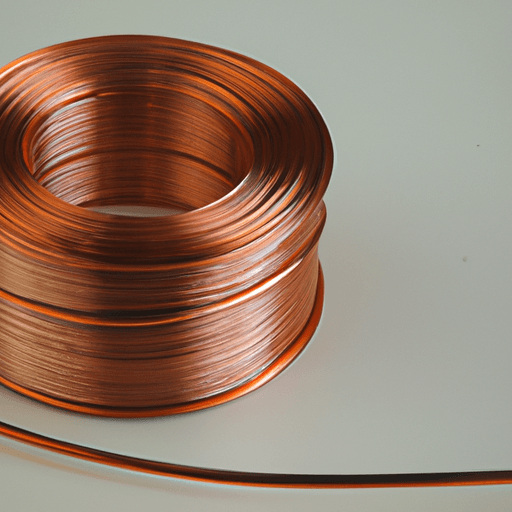
 | How to build a simple electric generator This is an AC electric generator which is capable of lighting up a tiny incandescent light bulb. The generator is made up of a hollow-ended cardboard box with a nail through the center, many turns of copper wire wound around the box, and four larger magnets clamped around the nail. When the nail and magnets are spun fast by hand, the little light bulb lights up dimly.
|
| | Difficulty: Middle school |
 | How to build a wind turbine generator These plans are for the construction of a machine called a Savonius wind turbine. Wind turbines come in two general types, those whose main turning shaft is horizontal and points into the wind, and those with a vertical shaft that points up. The Savonius is an example of the vertical axis type. It consists of two simple scoops that catch the wind and cause the shaft to turn. |
| | Difficulty: High school |
 | How to build a wireless telegraph set The simplest wireless telegraph set consists of a means of generating and controlling a spark which sends out radio waves into the air, and a receiver or detector to detect the radio waves. Probably the simplest way to generate and control a spark is to use a switch (called a telegraph key) to turn on and off a buzzer which generates sparks. The simplest way to receive or detect the radio waves ge |
| | Difficulty: High school |
 | | | Difficulty: Middle school |
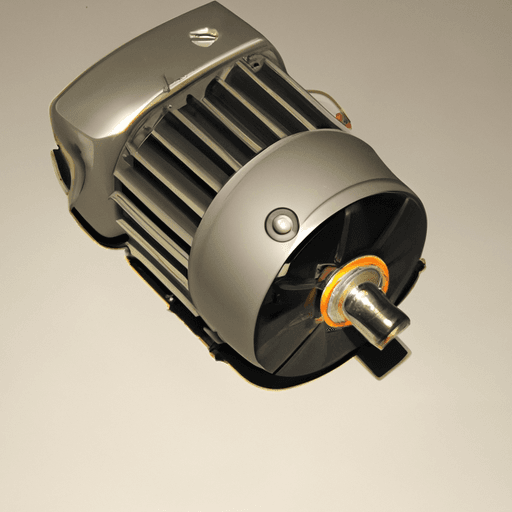
 | How to build your own electric motor This home page features award-winning, easy-to-build, and inexpensive electric motors.
If you are looking for a simple science project, or if you wish to learn about electricity, magnetism, and electric motors, this web site has it all! Including assembly instructions, a section devoted to how these motors work, and I even provide all parts necessary to build them! The reed switch motor is the e |
| | Difficulty: High school |
|
 | How to create an electrostatic charge using a handheld electrophorus A hand-held electrophorus can produce significant amounts of charge conveniently and repeatedly. It is operated by first frictionally charging a flat insulating plate called a "cake". In Volta's day, the cake was made of shellac/resin mixtures or a carnauba wax film deposited on glass. Nowadays, excellent substitutes are available. TeflonTM, though a bit expensive, is a good choice because it is a |
| | Difficulty: Elementary school |
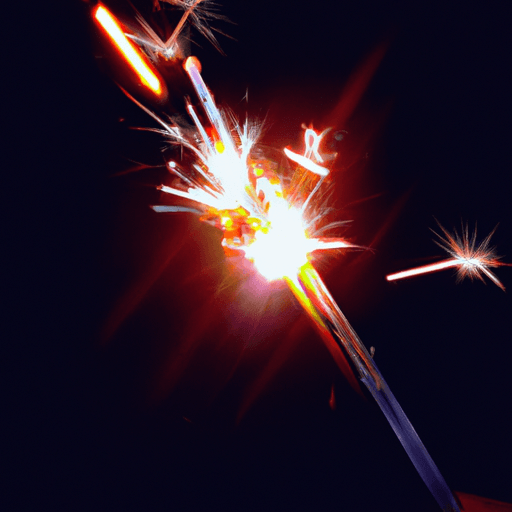
 | How to generate enough static electricity to create sparks In this experiment we'll create an object called a electrophorus (greek word for charge carrier). Using the materials listed above, we'll charge the object and then discharge it creating a snap, a little electrical shock, and a bright spark. If you're afraid of a little electrical shock then get Dad to discharge the object for you. And for grins, don't tell Dad beforehand about the resulting sp |
| | Difficulty: Elementary school |
 | How to make a battery using the human body! In a nutshell, a battery (a device that produces electricity by means of chemical action. A battery consists of one or more units called electric cells. Each cell has all the chemicals and parts needed to produce an electric current.) uses a chemical reaction to produce an electrical current (the movement or flow of electric charges). In this experiment, we will create an electric current using n |
| | Difficulty: Middle school |
 | How to make a crystal radio detector If you appreciate ingenuity, simplicity, and like instant gratification from your radio projects, then you ought to spend a few minutes building your own foxhole radio.
Foxhole radios were built by GIs in World War II from materials they had easy access to in the field. They usually consist of just a coil and a detector. They use a point detector, the chief component being an ordinary razo |
| | Difficulty: Elementary school |
|
|
|
|
|
Science kits, science lessons, science toys, maths toys, hobby kits,
science games and books - these are some of many products that can
help give your kid an edge in their science fair projects, and develop
a tremendous interest in the study of science. When shopping for
a science kit or other supplies, make sure that you carefully review
the features and quality of the products. Compare prices by going
to several online stores. Read product reviews online or refer to
magazines.
|
|
|
|
|
|
|
|
|
|
|
|
|
|