
Eureka Crate — engineering & invention kits for ages 12+ — monthly projects that build real-world skills. (Affiliate link)
See what’s included
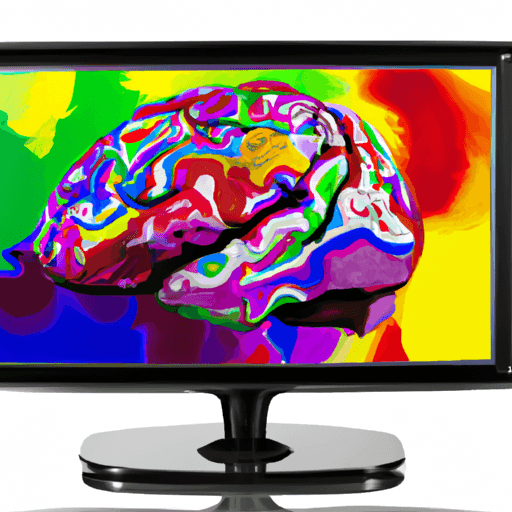

Easy
Tell one group to memorize details from a TV show and tell another to just watch. Then quiz both to compare recall.
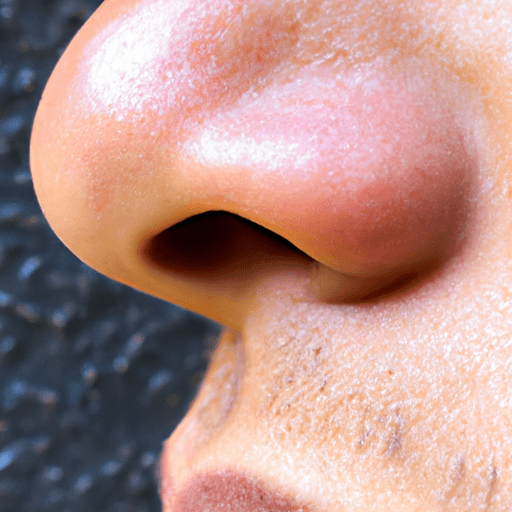
Easy
Blindfold a volunteer and pinch their nose to see if they can tell an apple slice from a pear.
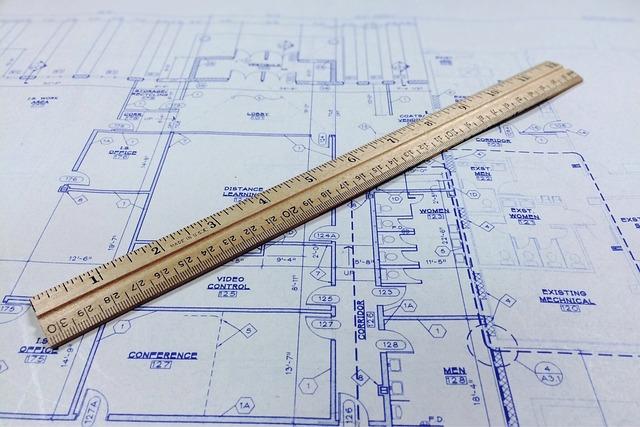
Easy
Drop a ruler between someone's fingers and measure how far it falls to compare response times between boys and girls.

Easy
Test whether right-handed people also favor their right side for kicking and listening.

Easy
Fire eight rapid commands at a group and find out whether anyone can recall which task came third on the list.
Medium
Hide a message in a music track telling listeners that orange candy tastes best, then see if they reach for orange when given a choice.
Medium
Show participants flash cards in four different colors and discover whether any color leads to better recall.
Medium
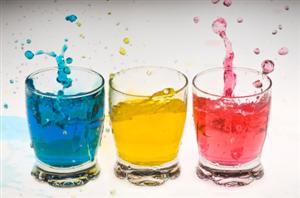
Dye four identical lime drinks different colors and see how many people taste flavors that match the color instead.

Medium
Track how long ten nursery participants take to fall asleep over ten days and compare silent nap times to ones with classical music.
Medium
Time twenty males and twenty females reading mismatched color words aloud to see whether gender changes Stroop effect speed.
Share this page:


Page 1 of 3


Science Concepts
Auditory LateralizationColor PsychologyEmotion RecognitionExpectation BiasFacial ExpressionGender Differences in CognitionHand-Eye CoordinationLateralityMultisensory Flavor PerceptionMultitaskingNature vs NurtureObservational Research MethodsOlfactory PerceptionPlacebo EffectReaction TimeSelective AttentionSelf-EsteemShort-Term MemorySleep and MusicStereoscopic VisionStress and Cognitive PerformanceStroop EffectSurvey and Questionnaire DesignTime PerceptionVisual Perception