

Water Temperature and Simulated Tornado Size
Hard
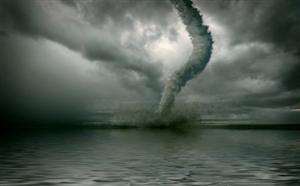
Does water temperature change the size of a simulated tornado? You build a chamber from Perspex walls and wooden boards with an exhaust fan on top. Inside, you place dry ice in water heated or cooled to five different temperatures.
The fan pulls air upward and creates a spinning vortex. You measure the diameter of the tornado core at each temperature. The widest vortex forms at 30 degrees Celsius. At 10 degrees, almost no visible tornado appears.
Hypothesis
The hypothesis is that the higher the water temperature, the larger the diameter of the tornado's core.
Science Concepts Learned
Tornado
The spinning column of air in a tornado can vary in size depending on the energy available to sustain the vortex. In a Perspex chamber with a bathroom exhaust fan pulling air upward, dry ice placed in heated water produces a wider spinning column than dry ice in cooler water. At 30 degrees Celsius the vortex reaches its largest diameter. Drop the temperature to 10 degrees and almost no visible tornado appears — showing that thermal energy directly controls how large the spinning column grows.
Method & Materials
You will build a tornado chamber, prepare samples of water at different temperatures, place a plate of water in the chamber, add dry ice, and turn on the exhaust fan.
You will need an electrical drill, Perspex, wooden boards, wooden blocks, a bathroom exhaust fan, measuring tape, dry ice, an extension cord, a metal plate, hot water, gloves, a stopwatch, and superglue.
Eureka Crate — engineering & invention kits for ages 12+ — monthly projects that build real-world skills. (Affiliate link)
See what’s includedResults
The results showed that the diameter of the tornado's core was largest when the water was at 30 degrees Celsius. The hypothesis was not accepted because the diameter did not increase accordingly as the water temperature increased.
Why do this project?
This science project is interesting because it explores the science behind the formation of tornadoes and how water temperature affects the size of a tornado's core.
Also Consider
Consider experimenting with more temperatures and finding the peak when the diameter is at its largest. Also, consider what difference would be observed if the size of the chamber was increased or decreased.
Full project details
Additional information and source material for this project are available below.Share this Science Project:
Browse by Grade
Featured In
Related Science Fair Project Ideas
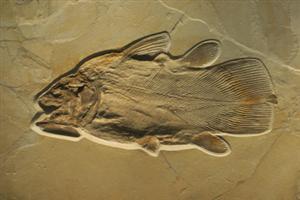
Bury bones across a soil-filled fish tank, shake it like an earthquake, and measure which ones shift the most.
Hard
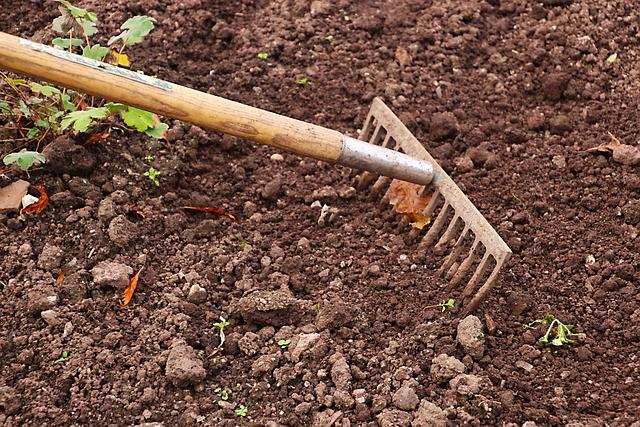
Drill a one-meter soil core with an auger and map each layer by its color and texture.
Hard
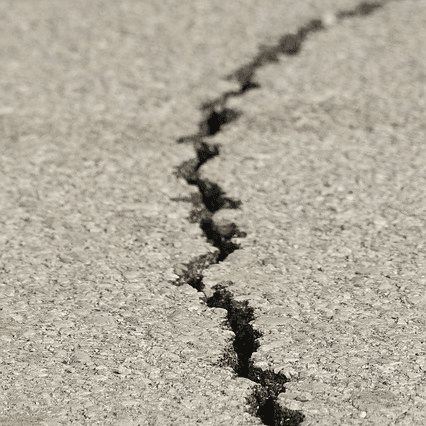
Drag a brick with an elastic cord and watch a vibration sensor record the stop-and-go jolts that mimic earthquakes.
Hard
Share this Science Project: