Cooking Methods and Vitamin C in Carrots
Hypothesis
Science Concepts Learned
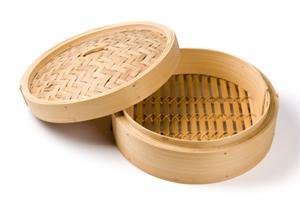
Measuring vitamin C starts with adding drops of iodine to each sample until the color shifts — that endpoint marks exactly how much nutrient reacted. Here, the experiment applies that method to carrot cubes cooked by boiling and steaming at 15, 30, and 45 minutes. Each sample first receives sulfuric acid and starch solution, then iodine drop by drop. When the color changes, the test is done. Comparing all six samples shows which cooking method preserves the most vitamin C and how time behind the stove changes the result.
Vitamin C breaks down when exposed to heat, and both the cooking method and the time matter. Boiling and steaming carrot cubes at 15, 30, and 45 minutes, then measuring the remaining vitamin C with an iodine titration test, shows which method preserves more of this nutrient. Comparing all six samples reveals how longer exposure to heat increases the breakdown.
Method & Materials
MEL Chemistry — hands-on chemistry experiment kits delivered monthly — great for building lab skills at home. (Affiliate link)
See what’s includedResults
Why do this project?
Also Consider
Full project details
Additional information and source material for this project are available below.Related videos
Browse by Grade
Related Science Fair Project Ideas