

Soft Drink Packaging and Carbonation Levels
Medium
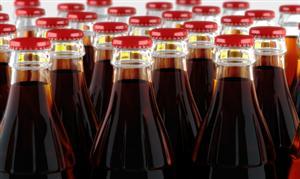
Does the same soft drink lose more fizz from a glass bottle, a plastic bottle, or an aluminum can? Carbonation is dissolved carbon dioxide gas. When it escapes, the drink weighs less.
You weigh a Coca-Cola container before opening it. Then you shake it ten times and gently release the gas. You weigh it again and record the difference. You repeat the shake-and-release cycle eight more times for each container type.
Divide the total gas lost by the volume in each container. Compare the per-100 ml figures to see whether packaging changes carbonation.
Hypothesis
The hypothesis is that Coca Cola beverage packed in glass bottles, PET bottles or aluminum containers will have the same amount of carbon dioxide per 100ml.
Science Concepts Learned
Carbonation
When carbon dioxide dissolves into a liquid, the gas adds weight you can measure. One experiment tracks this by weighing a container before and after shaking to release the dissolved gas and let the bubbles settle. The difference in weight shows how much carbon dioxide escaped as bubbles.
Method & Materials
You will measure the weight of the bottle before and after releasing the gas in the beverage. You will also shake the bottle 10 times and let the bubbles settle before measuring the weight.
You will need a glass bottle of Coca Cola 200ml, a PET bottle of Coca Cola 500ml, a can of Coca Cola 325ml, and a digital weighing scale.
MEL Chemistry — hands-on chemistry experiment kits delivered monthly — great for building lab skills at home. (Affiliate link)
See what’s includedResults
The results show that the amount of gas that escaped from the glass bottle, PET bottle and aluminum can per 100 ml, after being shaken, is almost the same. This suggests that the packaging of the Coca Cola beverage does not affect the amount of carbonation.
Why do this project?
This science project is interesting because it shows how the packaging of a soft drink affects the amount of carbonation.
Also Consider
Try to repeat the experiment with different beverages like 7-UP or Pepsi. The experiment can also be repeated at different temperatures.
Full project details
Additional information and source material for this project are available below.Related video
These videos explain the science behind this project and demonstrate key concepts used in the experiment.
Share this Science Project:
Related Science Fair Project Ideas
Soak spaghetti in water for a few hours, then boil it for just one minute to test whether pre-soaking cuts cooking time.
Medium
Grow giant sugar crystals on a string and watch a supersaturated solution turn back into solid rock candy.
Medium
Test raw and cooked tomatoes and cherries with an iodine solution to discover whether cooking destroys or concentrates vitamin C.
Medium
Share this Science Project: