

Earthworms and Plant Growth
Medium
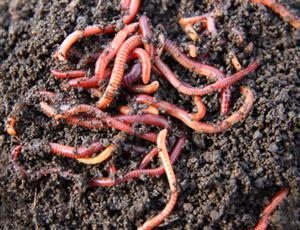
Can worms hiding in the dirt actually help a plant grow taller in just eight days?
Plant tomato, green bean, and radish seeds in six pots of soil. Add ten earthworms to three of the pots and leave the other three worm-free. Water all pots equally, give them the same sunlight, and measure plant height after eight days.
Every plant type grown with earthworms ends up taller than its worm-free counterpart.
Hypothesis
The hypothesis is that the presence of earthworms in soil will help plants grow faster.
Science Concepts Learned
Earthworms and Soil Health
When worms burrow through dirt, they break it apart and create air pockets that help roots spread. Planting tomato, green bean, and radish seeds in six pots — three with ten earthworms, three worm-free — puts this directly to the test. Water all pots equally, give them the same sunlight, and measure after eight days. Every plant type grown with earthworms ends up taller than its worm-free counterpart, showing how quickly worms can change what soil does for a growing plant.
Method & Materials
You will need to label 6 small plastic pots, fill them with soil, add 10 earthworms to 3 of the pots, and plant 10 tomato, green bean, and radish seeds in each pot. Water the plants once a day and observe the results.
You will need 1 packet of tomato seeds, 1 packet of green bean seeds, 1 packet of radish seeds, 6 small plastic pots, soil, 30 earthworms, tap water, 1 measuring cylinder, and a ruler.
Tinker Crate — science & engineering build kits for ages 9–12 — real tools, real experiments, delivered monthly. (Affiliate link)
See what’s includedResults
The experiment showed that the plants grown in soil containing earthworms grew taller than the plants that grew in soil without earthworms. This proves that the presence of earthworms in soil does help plants grow faster.
Why do this project?
This science project is interesting because it shows how earthworms can help plants grow faster. It also shows how earthworms are an important part of the ecosystem in our gardens.
Also Consider
To vary the experiment, you could try using different types of seeds, such as corn or sunflower. You could also vary the amount of moisture in the soil by watering and not watering some plants.
Full project details
Additional information and source material for this project are available below.Related videos
These videos explain the science behind this project and demonstrate key concepts used in the experiment.
Share this Science Project:
Browse by Grade
Featured In
Related Science Fair Project Ideas
Sort soybean seeds by weight and test whether heavier or lighter seeds push through 10 centimeters of soil faster.
Medium
Plant pea seeds in 14 different soil samples and track which root diseases appear most often as the plants grow.
Medium
Clone a plant using leaf cuttings, stem cuttings, or layering and compare which method grows new roots first.
Medium
Share this Science Project: