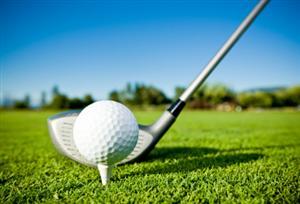
Does a bouncier golf ball travel farther when hit? You test three brands of golf balls. First, drop each ball from one meter onto a flat surface and count the bounces. This ranks their bounciness.
Then three amateur golfers hit the same balls at a driving range with a driver. You measure how far each ball travels. Comparing bounciness rankings to distance measurements shows whether the springiest ball really does fly the farthest.
Hypothesis
The hypothesis is that bouncier golf balls will travel further than less bouncy ones.
Not all golf balls spring back from impact the same way. To compare, you drop three brands from one meter onto a flat surface and count the bounces. Then three amateur golfers hit the same balls at a driving range with a driver, and you measure how far each one travels. Comparing bounciness rankings to distance measurements shows whether the springiest ball really does fly the farthest.
A bouncier golf ball keeps more energy after hitting the surface — and that retained energy may translate into longer drives. To test this, drop three brands of golf balls from one meter onto a flat surface and count the bounces. This ranks their bounciness. Then bring three amateur golfers to a driving range and measure how far each ball travels when hit with a driver. Comparing bounciness rankings to driving distance shows whether the springiest ball really does fly the farthest.
Method & Materials
You will drop golf balls from a height of one meter and count the number of bounces. Then, you will bring golfers to a driving range and measure the distance each ball travels when hit with a golf club.
You will need 15 golf balls, 3 amateur golfers, 5 golf clubs, a measuring tape, a golf driving range, and an assistant to help with the measurement.
MEL Physics — hands-on physics experiment kits delivered monthly — real experiments, not just reading. (Affiliate link)
The results showed that the bouncier balls traveled the furthest, while the least bouncy traveled the shortest distance. The bouncier balls probably bounced a greater number of times and over a larger distance.
Why do this project?
This science project is interesting because it shows how the bounciness of a golf ball affects the distance it will travel.
Also Consider
Consider changing the size of the golf club used or changing the temperature of the ball by placing it in hot or cold water before repeating the experiment.
Full project details
Additional information and source material for this project are available below.