
MEL Physics — hands-on physics experiment kits delivered monthly — real experiments, not just reading. (Affiliate link)
See what’s included
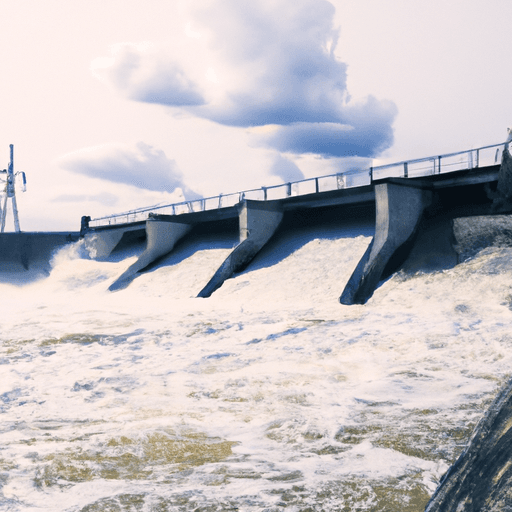

Easy
Punch holes at different heights in a milk carton and see which stream shoots the farthest.
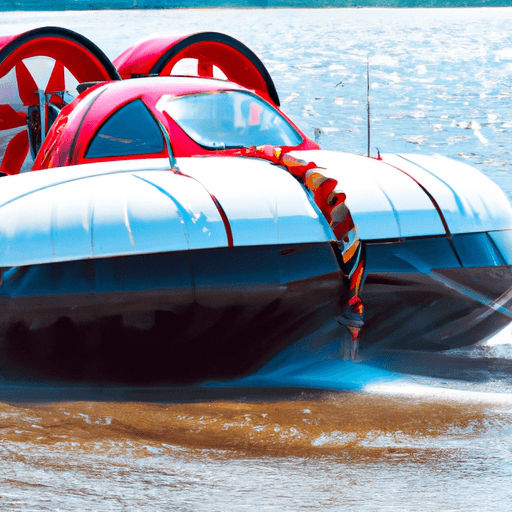
Easy
Attach a balloon to a thread spool on cardboard and watch it glide on a cushion of air.
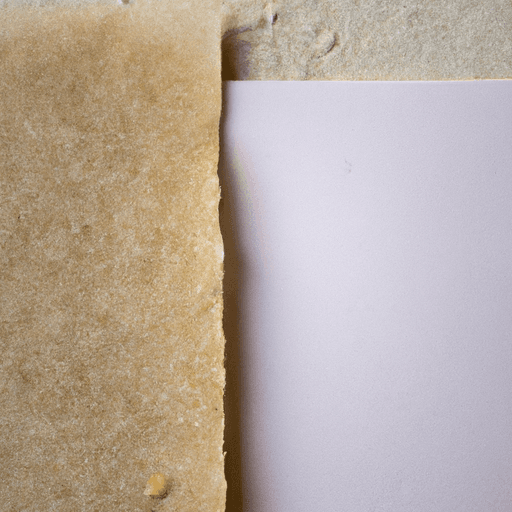
Easy
Cover a ramp with different materials and measure how far a matchbox car rolls on each one.
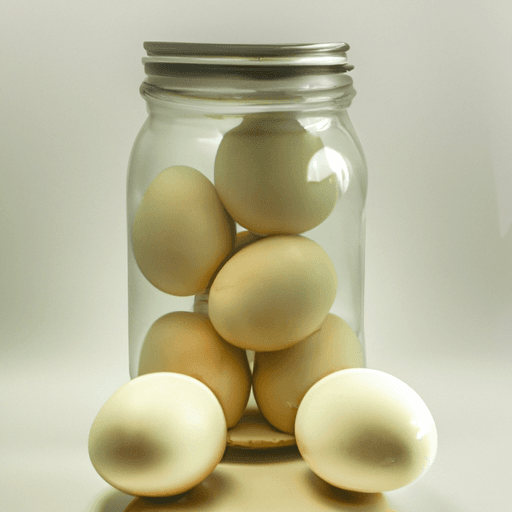
Medium
Set a peeled hard-cooked egg on a jar, drop in lit matches, and watch air pressure push the egg inside.
Medium
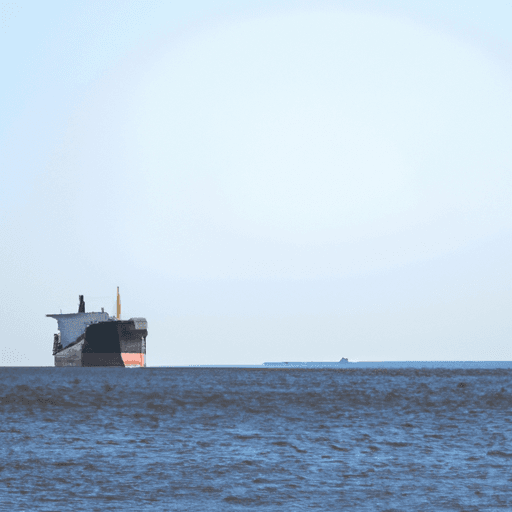
Shape aluminum foil into a boat that floats, then hammer it into a ball and watch the same foil sink.
Medium
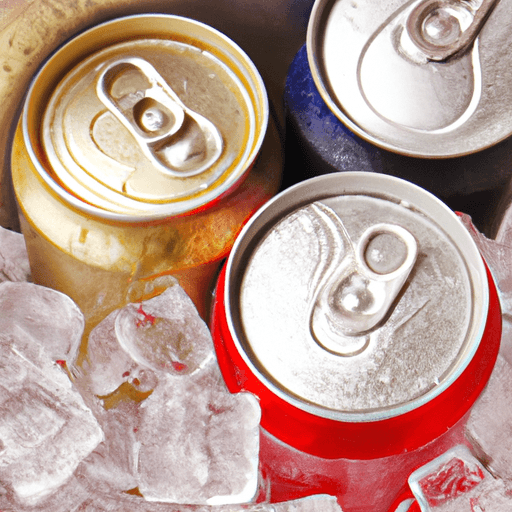
Drop sealed cans of regular and diet soda into water, then add foam or weights to make a can hover in the middle.
Medium
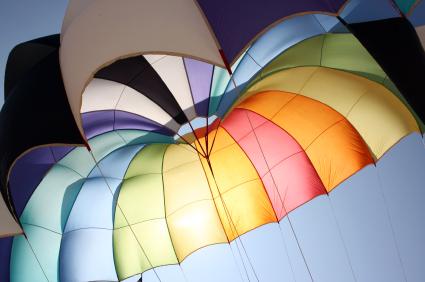
Drop four parachute shapes from a balcony and discover which one floats down the slowest.
Medium
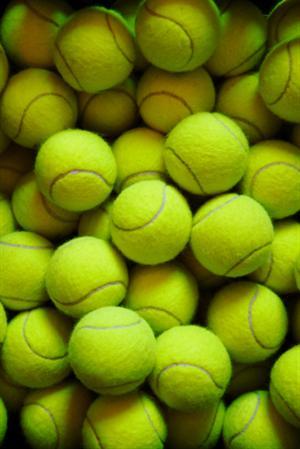
Launch three brands of tennis balls with different hardness levels and measure whether softer balls travel farther.
Medium
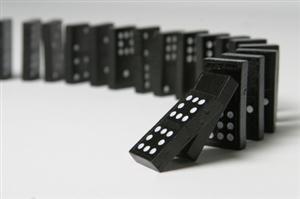
Line up 100 dominoes at seven spacings and discover the gap that produces the fastest chain reaction.
Medium
Cover a ramp with five grades of sandpaper and time how long model cars take to roll down.
Share this page:


Page 1 of 4


Science Concepts
AccelerationAir ResistanceChain ReactionCoefficient of RestitutionDampingDensityDisplacementDragElasticityFrictionGravitational ForceGravityHovercraftHydrodynamicsHydroelectric PowerInclined PlaneKinetic EnergyLaunch AngleLeversLubricationMechanical AdvantageMomentumNewton's Third LawPenetration DepthPotential EnergyProjectile MotionSimple MachinesSurface TensionTerminal VelocityTorsion BalanceWater PressureWave Propagation