Enzyme Forms for Grease Trap Cleanup
Hypothesis
Science Concepts Learned
Reaction rate — how fast a chemical change happens — depends in part on the physical form of the substances involved. Liquid, powder, and solid enzymes all break down grease, but not at the same speed. You observe each beaker daily and record how many days it takes for the grease to break down. Comparing the three forms reveals which delivers the fastest chemical change.
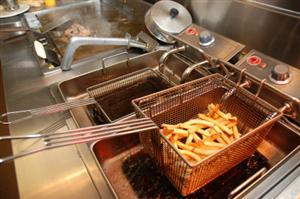
Enzymes can break down pollutants into less harmful substances — and this project tests which physical form does it fastest. You collect fat, oil, and grease (FOG) from a restaurant grease trap, then set up nine beakers with equal amounts of FOG and distilled water. Three beakers get liquid enzyme, three get powder, and three get solid. Each day you observe the beakers and record how long it takes for each form to decompose the grease. Comparing results across all three forms shows which biological agent remediates real-world FOG waste most effectively.
Method & Materials
Eureka Crate — engineering & invention kits for ages 12+ — monthly projects that build real-world skills. (Affiliate link)
See what’s includedResults
Why do this project?
Also Consider
Full project details
Additional information and source material for this project are available below.Related videos
Browse by Grade
Related Science Fair Project Ideas