

Traffic Pollution and Pine Needle Stomata
Medium
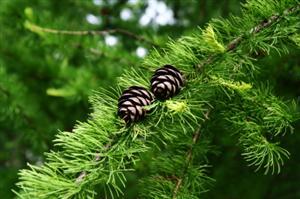
Does heavy traffic reduce the number of stomata (tiny breathing pores) on pine needles? You collect needle samples from 15 pine trees at three locations with different traffic levels. Back in the lab, you paint each needle with clear nail polish and peel off an impression with tape. Under a microscope, you count the stomata on each impression.
Trees near busy roads show fewer stomata than trees in low-traffic areas. The results suggest that air pollution from vehicles may affect how leaves develop their gas-exchange structures.
Hypothesis
Science Concepts Learned
Vehicle Emissions
Exhaust pollutants travel through the air and settle on nearby vegetation. Pine trees next to busy roads show the effect in a measurable way: their needles develop fewer stomata, the tiny breathing pores that control gas exchange. You collect needle samples from 15 pine trees across three locations with different traffic concentrations. Back in the lab, you press a clear nail polish impression from each needle onto a glass slide and count the stomata under a microscope. Trees near high-traffic roads consistently show lower stomata density than those in quieter areas.
Method & Materials
You will select 15 pine trees at locations with different concentrations of automobile traffic, and count the number of vehicles that pass by each location. You will then collect samples of 2 leave clusters from each of the 15 pine trees, and count the number of stomata on the leaves under a microscope.
You will need 15 pine trees at locations with different concentrations of automobile traffic, 3 bottles of clear nail polish, a roll of clear cellophane tape, 15 glass slides, a microscope, 15 plastic bags, a black marker pen, a car and a driver, and GPS (global positioning system) equipment or a good map.
Tinker Crate — science & engineering build kits for ages 9–12 — real tools, real experiments, delivered monthly. (Affiliate link)
See what’s includedResults
The results showed that the greater the concentration of traffic where the sample leaves were collected, the lesser the amount of stomata found on the sample leaves.
Why do this project?
This science project is interesting because it shows how the environment can affect the number of stomata on a plant.
Also Consider
Consider repeating this science fair project by taking leaf samples from different types of trees, or by measuring the stomata density of leaves from trees in different climates.
Full project details
Additional information and source material for this project are available below.Related videos
These videos explain the science behind this project and demonstrate key concepts used in the experiment.
Share this Science Project:
Browse by Grade
Featured In
Related Science Fair Project Ideas
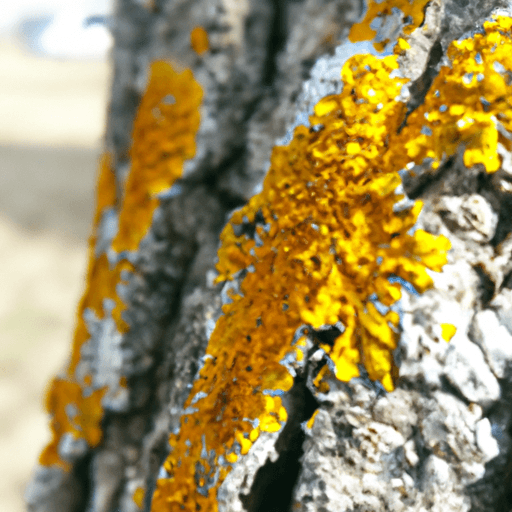
Mist three types of lichen with simulated acid rain and discover which ones thrive and which ones crumble.
Medium
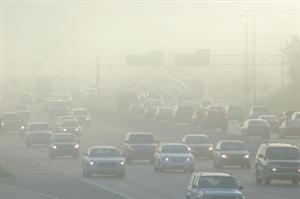
Mount sticky collection boards across eight city locations and count the airborne particles each one traps over three days.
Medium
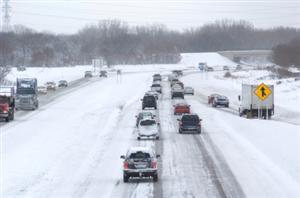
Collect snow from five spots between the city and the countryside, then filter and weigh the debris to see where pollution hides.
Medium
Share this Science Project: