

Snow Debris from City to Countryside
Medium
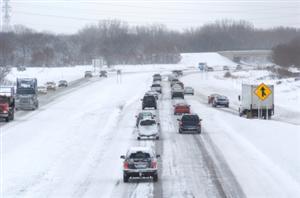
Does snow falling in a city carry more pollution than snow in the countryside? You place clean pails at five locations ranging from downtown to 20 km outside the city. After a snowfall, you collect the samples and melt them through filter paper.
Weighing the dried filter paper reveals how much debris each sample contained. City snow holds roughly twice the debris of snow collected 20 km away. The farther from the city center, the cleaner the snow.
Hypothesis
The hypothesis is that the amount of particles and contaminants in the samples of snow decreases when collected further away from the city.
Method & Materials
You will collect snow samples from different locations, measure the weight of the debris found in the snow, and record the results.
You will need 5 pails, a road map or GPS tracking equipment, a digital weighing scale, 5 pieces of filter paper, 5 beakers measuring 300ml each, and a car and driver.
Tinker Crate — science & engineering build kits for ages 9–12 — real tools, real experiments, delivered monthly. (Affiliate link)
See what’s includedResults
The results show that the snow sample collected in the city had the most amount of debris and the snow sample collected at the location furthest from the city had the least amount of debris. This proves that the hypothesis is correct.
Why do this project?
This science project is interesting because it shows how snow can collect pollutants in the air as it falls to the ground. It also shows how the amount of pollutants in the snow decreases when collected further away from the city.
Also Consider
Consider repeating the experiment in different locations or at different times of the year. You could also repeat the experiment using rain water instead of snow.
Full project details
Additional information and source material for this project are available below.Related videos
These videos explain the science behind this project and demonstrate key concepts used in the experiment.
Share this Science Project:
Browse by Grade
Featured In
Related Science Fair Project Ideas
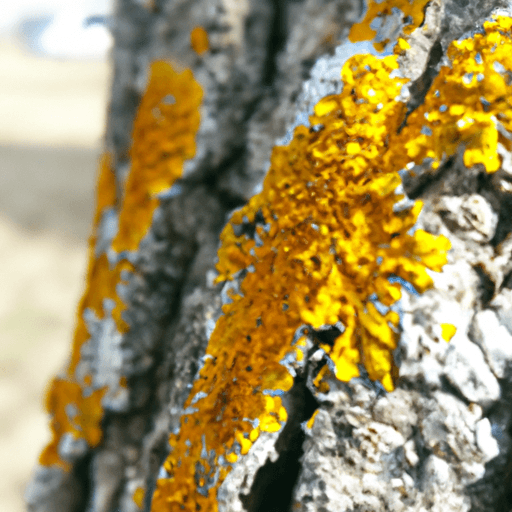
Mist three types of lichen with simulated acid rain and discover which ones thrive and which ones crumble.
Medium
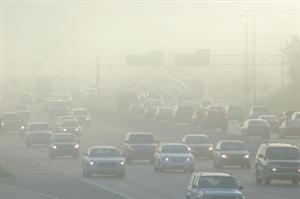
Mount sticky collection boards across eight city locations and count the airborne particles each one traps over three days.
Medium
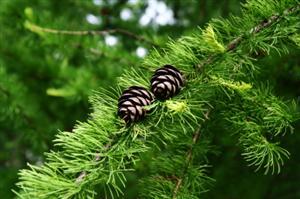
Peel a nail-polish impression off pine needles and count their breathing pores to see whether traffic pollution changes how leaves grow.
Medium
Share this Science Project: