How much does wood shrink when it dries out? Different types of wood hold moisture in different amounts. You cut identical blocks of redwood, teak, black oak, and red maple. Then you measure each block with a caliper and dry them in an oven at 100 degrees Celsius for 24 hours.
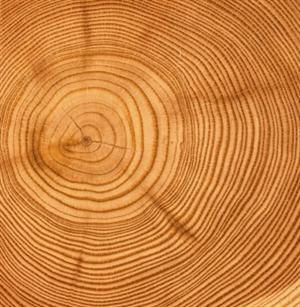
After drying, you measure the blocks again. The shrinkage happens mostly along the growth rings. Black oak shrinks the most, while redwood shrinks the least.
Hypothesis
The hypothesis is that humidity will cause different types of wood to expand and shrink at different rates.
Different wood types hold different amounts of moisture. When that moisture leaves, the wood shrinks. Drying blocks of redwood, teak, black oak, and red maple in an oven removes their moisture. The shrinkage happens mostly along the growth rings. Black oak shrinks the most. Redwood shrinks the least.
You dry blocks of redwood, teak, black oak, and red maple in an oven and measure how much each one shrinks. Different types of wood hold different amounts of moisture, so they shrink by different amounts.
Different types of wood soak up and hold moisture in different amounts. You cut identical blocks of redwood, teak, black oak, and red maple, then dry them in an oven at 100 degrees Celsius for 24 hours. After drying, you measure each block again with a caliper. The shrinkage happens mostly along the growth rings. Black oak soaks up and releases the most water, so it shrinks the most. Redwood absorbs and loses the least, so it shrinks the least.
Method & Materials
You will cut four different types of wood into blocks, measure their dimensions, dry them in an oven, and measure their dimensions again.
You will need a redwood block, a teak wood block, a black oak wood block, a red maple block, a caliper, an oven, gloves, and a black marker pen.
Eureka Crate — engineering & invention kits for ages 12+ — monthly projects that build real-world skills. (Affiliate link)
It was observed that all four types of wood showed significant shrinkage along their growth rings after they were dried in the oven. The biggest change was in the black oak wood and the least change in dimensions was observed in the redwood.
Why do this project?
This science project is interesting because it shows how humidity can affect the size of different types of wood, and how experienced wood workers and carpenters need to understand this behavior of wood in order to effectively plan and implement projects.
Also Consider
Consider using more than one piece of each type of wood for the experiment, for more accurate results. Try this science fair project with other types of woods such as birch, fir, pine or hemlock.
Full project details
Additional information and source material for this project are available below.