

Natural vs. Synthetic Scents
Medium
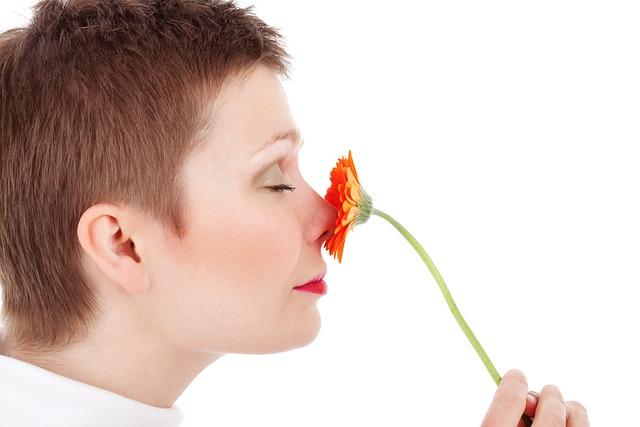
Can you tell a natural scent from a synthetic one just by smelling it? Most people think they can spot the difference between real rose and fake rose perfume. In this project you put that claim to the test.
You gather ten fragrances such as rose, banana, orange, lemon, and lavender. For each fragrance you prepare two tissues: one with the natural version and one with the synthetic version. Label them "A" and "B" without telling the participants which is which.
Each participant smells all ten pairs and picks the one they think is natural. You then compare their choices to the answer key and count the correct picks. The results may surprise you -- most people score no better than a coin flip.
Hypothesis
The hypothesis is that most participants will not be able to differentiate between natural and synthetic scents.
Science Concepts Learned
Taste Perception
Your nose shapes flavor without you realizing it. Participants smell pairs of natural and synthetic fragrances across ten scents and pick the one they think is natural. Most score no better than a coin flip — a result that reveals how quietly the nose influences what the brain registers as taste.
Method & Materials
You will purchase bottles of natural and synthetic scents, separate tissues into groups, and mark them with the scent name. You will then place a drop of natural or synthetic fragrance on each tissue and ask participants to identify the natural scent.
You will need a bottle each of natural and synthetic scents, 200 pieces of tissues, 10 participants, and a black marker pen.
Tinker Crate — science & engineering build kits for ages 9–12 — real tools, real experiments, delivered monthly. (Affiliate link)
See what’s includedResults
The results showed that 8 out of 10 participants were unable to make more than 6 correct choices, indicating that 80% of the participants were unable to differentiate between natural and synthetic scents.
Why do this project?
This science project is interesting because it tests the ability of people to identify natural and synthetic scents, which is something that we use in our everyday lives.
Also Consider
Consider repeating this science fair project to determine how sensitivity of smell may vary according to the participant’s age, or to compare the ability of male versus female participants to effectively differentiate between natural and synthetic fragrances.
Full project details
Additional information and source material for this project are available below.Related videos
These videos explain the science behind this project and demonstrate key concepts used in the experiment.
Share this Science Project:
Related Science Fair Project Ideas

Run a taste test where some people hear an expert opinion first and discover whether it changes what they choose.
Medium

Survey the colors of cars and clothes, then ask people their favorite color and see if the answers match.
Medium

Observe people in two different settings and count how often they make or avoid eye contact with those around them.
Medium
Share this Science Project: