

Bacteria Levels in Waterless vs. Water-Based Urinals
Medium
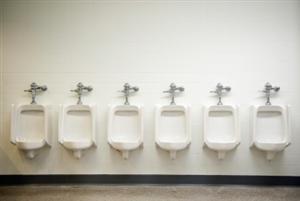
Do waterless urinals harbor fewer bacteria than water-based ones? Some buildings install waterless urinals to save water. Whether they are also more hygienic is a question you can answer with a swab and a petri dish.
You collect bacteria samples from five waterless urinals and five water-based urinals. Each swab is rubbed onto an agar-filled petri dish. You then store the dishes in a cool shaded spot and measure the diameter of the bacteria colonies every day for five days.
By comparing colony sizes between the two groups you can see which urinal type supports more bacterial growth over time.
Hypothesis
The hypothesis is that waterless urinals will have less bacteria compared to the water-based urinals.
Method & Materials
You will collect bacteria samples from waterless and water-based urinals, measure the amount of bacteria growth in petri dishes, and compare the results.
You will need petri dishes, disinfected swabs, sterilized water, latex gloves, and a marker pen.
Eureka Crate — engineering & invention kits for ages 12+ — monthly projects that build real-world skills. (Affiliate link)
See what’s includedResults
The results show that petri dishes from waterless urinals have a smaller amount of bacterial growth compared to petri dishes from water-based urinals. This proves that waterless urinals are more hygienic than water-based urinals.
Why do this project?
This science project is interesting because it explores the differences between two types of urinals and helps us understand which one is more hygienic.
Also Consider
Experiment variations include collecting bacteria samples from other areas around the urinals such as from the floor, walls or wash basins near the urinals, and collecting swab samples from at least 5 different spots/locations within each urinal.
Full project details
Additional information and source material for this project are available below.Related videos
These videos explain the science behind this project and demonstrate key concepts used in the experiment.
Share this Science Project:
Related Science Fair Project Ideas
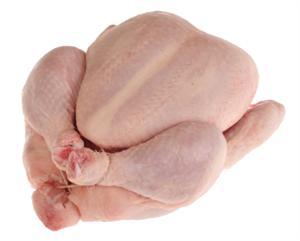
Swab fresh, frozen, and irradiated chicken onto agar plates and measure which processing method leaves the fewest bacteria behind.
Medium
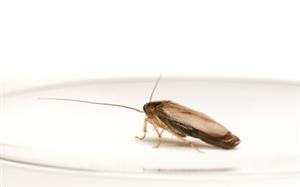
Let four insects walk across agar dishes and measure which one leaves behind the largest colony of bacteria after five days.
Medium
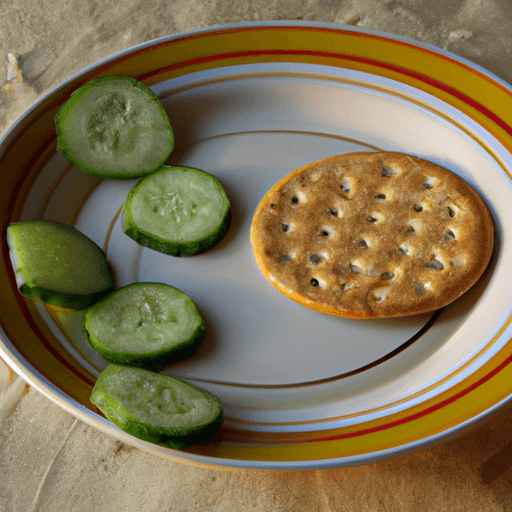
Drop cucumber slices and cheese crackers on four different surfaces, then count the bacteria colonies to see which food type picks up more germs.
Medium
Share this Science Project: