

Bread Mold and Storage Conditions
Easy
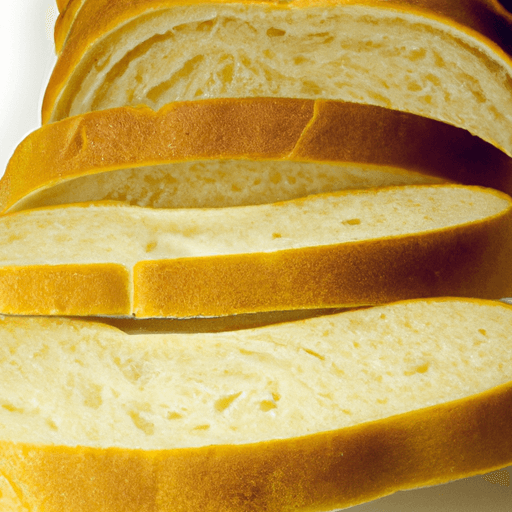
What keeps bread from going moldy the longest? You place five slices of bread in different spots:
- A dark, damp area with a few drops of water added
- A room at normal conditions
- Under direct sunlight
- Sealed inside an airtight plastic bag
- Inside a refrigerator
Each day you check the slices with a magnifying glass for signs of mold. The damp, dark slice grows mold first. The refrigerated slice stays mold-free the longest.
Hypothesis
The hypothesis is that bread mold will grow more quickly in warm and damp environments.
Science Concepts Learned
Moisture
Moisture is the small amount of water on a surface. You add a few drops of water to one bread slice to increase its surface moisture. That damp slice grows mold first because it has the most water on it.
Food Preservation
Sealing food or changing its environment are common ways to keep it safe and fresh longer. Different storage conditions control how fast bread spoils. The refrigerated slice stays mold-free the longest because cold air slows spoilage. The damp, dark slice grows mold first since moisture speeds up the process.
Method & Materials
You will prepare 5 slices of bread in different environments and observe the rate of growth of bread mold.
You will need 5 slices of bread, some water, an airtight plastic bag, a refrigerator, and a magnifying glass.
Tinker Crate — science & engineering build kits for ages 9–12 — real tools, real experiments, delivered monthly. (Affiliate link)
See what’s includedResults
The results showed that the bread kept in the dark and damp place was the first to exhibit signs of mold. The bread kept in the refrigerator took the longest for the mold to appear. This proves that bread mold will grow more quickly in warm and damp environments.
Why do this project?
This science project is interesting because it shows how quickly bread mold can grow in different environments.
Also Consider
Experiment variations include baking the bread at high temperatures before starting the experiment, and using different types of food like biscuits or cooked rice.
Full project details
Additional information and source material for this project are available below.Related video
These videos explain the science behind this project and demonstrate key concepts used in the experiment.
Share this Science Project:
Related Science Fair Project Ideas
Store bread slices in five different conditions and track which one grows mold first and which stays fresh the longest.
Easy
Compare four loaves of bread baked with different dried fruit pastes and discover which one resists mold the longest.
Easy
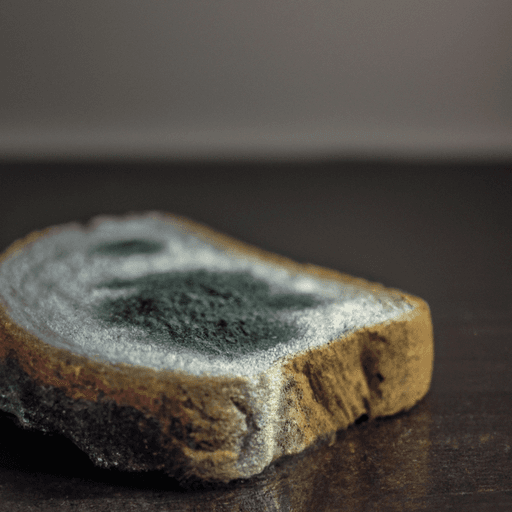
Rub dust onto wet bread and seal it in a bag to grow visible patches of mold within days.
Easy
Share this Science Project: