

Bacteria on Wooden vs. Plastic Chopping Boards
Hard
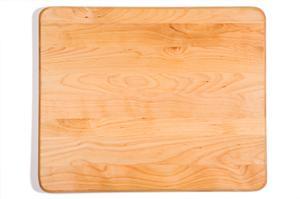
Do wooden chopping boards hold fewer bacteria than plastic ones? Many people assume plastic is cleaner. This project puts that idea to the test.
You cut chicken on both wooden and plastic boards. Then you clean each board a different way. One gets water alone. Others get dish soap or Dettol or bleach. You swab each board and grow the bacteria in petri dishes for five days.
After five days you measure the bacteria colonies. The results show which board type stays cleaner.
Hypothesis
The hypothesis is that wooden chopping boards have less bacteria compared to old plastic chopping boards.
Science Concepts Learned
Cross-Contamination
Cross-contamination spreads germs from one food to another through shared tools like chopping boards, and the tool's material and cleaning method both control how many germs survive. This experiment cuts chicken on wooden and plastic boards, then cleans each board with water, dish soap, Dettol, or bleach to compare bacteria left behind. Swabbing the boards and growing the samples in petri dishes for five days reveals which surface and cleaner combination leaves the fewest germs to transfer to the next food.
Method & Materials
You will prepare 8 petri dishes, label them, and place them in a refrigerator. You will also label 4 wooden and 4 plastic chopping boards. Place a piece of chicken on each board and cut it several times with a knife. Clean the boards with different methods and rub a swab on each board and then roll it on the petri dishes. Keep the petri dishes in a cool, dark place for 5 days.
You will need 8 agar petri dishes, 8 disinfected swabs, 1 bottle of disinfected water, 4 used plastic chopping boards, 4 used wooden chopping boards, tap water, 1 bottle dishwashing soap, 1 bottle of Dettol soap, 1 bottle of bleach, 8 pieces of chicken, 1 knife, and 1 marker pen.
Eureka Crate — engineering & invention kits for ages 12+ — monthly projects that build real-world skills. (Affiliate link)
See what’s includedResults
The results show that the wooden boards have less bacteria compared to the plastic boards no matter what method of washing is used. It is also observed that bleach is the most effective cleaner for the removal of bacteria from the chopping board's surface.
Why do this project?
This science project is interesting because it shows how different cleaning methods can affect the amount of bacteria on chopping boards. It also shows that wooden chopping boards are safer than plastic chopping boards.
Also Consider
Variations of this science project could include using different types of boards like ceramic or glass, or using other cleaning agents such as antibacterial soap, Listerine or Clorox.
Full project details
Additional information and source material for this project are available below.Related videos
These videos explain the science behind this project and demonstrate key concepts used in the experiment.
Share this Science Project:
Browse by Grade
Related Science Fair Project Ideas
Grow bacteria from four differently washed chopsticks on blood agar and find out how long antibacterial soap really needs to work.
Hard
Add garlic extract to E. coli in a petri dish and track whether the bacteria can grow at all over five days.
Hard
Open three types of baby food, leave them out for different lengths of time, and measure which one grows the most bacteria.
Hard
Share this Science Project: