

Squirrels and Box Color Appetite
Hard

Does the color of a room change how much you eat? Some research suggests that surroundings affect appetite.
You paint three wooden boxes in different colors. One is blue. One is green. One is red. You place one squirrel in each box with a weighed bowl of nuts. After three days you weigh the remaining nuts.
Each squirrel rotates through all three boxes. By the end you can compare daily nut consumption and discover which color sparked the biggest appetite.
Hypothesis
The hypothesis is that the squirrels in the red box will eat the most nuts.
Method & Materials
You will paint the interior of three boxes blue, green, and red, cover the top with wire mesh, and place a bowl of nuts in each box. Then, you will place one squirrel in each box and measure the amount of nuts eaten over three days.
You will need three squirrels, three wooden boxes, three pieces of wire mesh, paint in the colors blue, green, and red, a paint brush, one bag of nuts, three feeding bowls, and a digital weighing scale.
Eureka Crate — engineering & invention kits for ages 12+ — monthly projects that build real-world skills. (Affiliate link)
See what’s includedResults
The results show that the squirrels ate the most nuts when they were placed in the red box. This proves that color can affect appetite, and that blue is not a good color for kitchens, dining rooms, and restaurants.
Why do this project?
This science project is interesting because it shows how color can affect appetite, which is something that many people don't think about.
Also Consider
Variations: This science project may be repeated with other animals like dogs or cats. Repeat the science project experiment, using different colored boxes like pink, yellow, orange, black, etc.
Full project details
Additional information and source material for this project are available below.Related videos
These videos explain the science behind this project and demonstrate key concepts used in the experiment.
Share this Science Project:
Browse by Grade
Related Science Fair Project Ideas
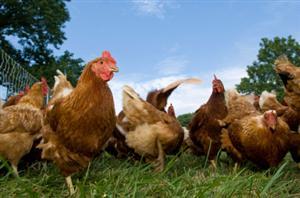
Time roosters and hens racing to a food tray with and without a log obstacle to see which group adapts faster.
Hard
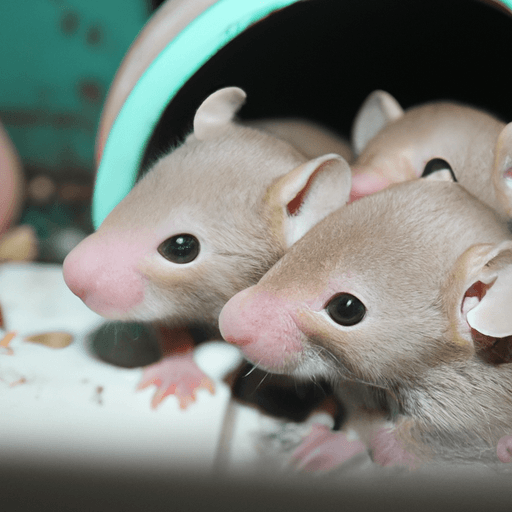
Race male and female mice through a cardboard maze, then use a T-maze to discover each mouse's paw preference.
Hard
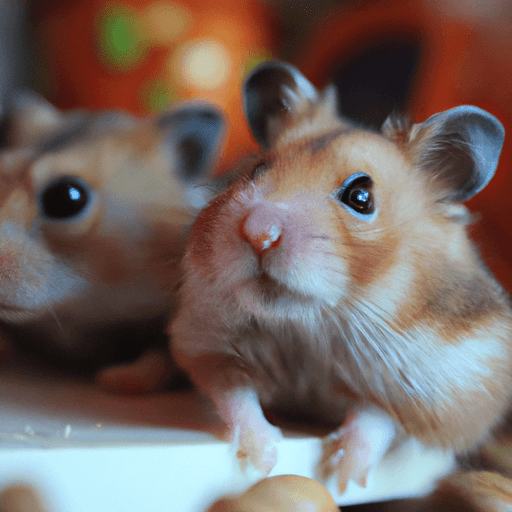
Build a cardboard maze, send hamsters and mice through it ten times each, and discover which species learns the route faster.
Hard
Share this Science Project: