

Calcium and Brine Shrimp Hatching
Medium
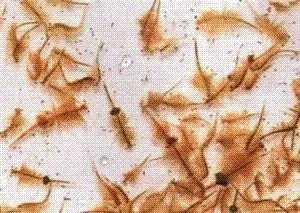
Does calcium in the water speed up brine shrimp egg hatching? Brine shrimp eggs can survive harsh conditions for years. Adding calcium to the water may trigger them to hatch faster.
You set up four petri dishes of salt water with different calcium levels. Then you sprinkle brine shrimp eggs into each dish and check every 12 hours with a magnifying glass.
Over 72 hours you count how many eggs hatch at each calcium level. The results show whether more calcium means faster hatching.
Hypothesis
The hypothesis is that higher concentrations of calcium in water will make brine shrimp eggs hatch more quickly.
Science Concepts Learned
Brine Shrimp Biology
Brine shrimp eggs can survive harsh conditions for years, waiting for the right signal to hatch. Adding calcium to salt water may trigger them to hatch faster. Checking petri dishes every 12 hours over 72 hours reveals whether higher calcium levels speed up hatching.
Method & Materials
You will mix 400ml of distilled water and 25mg salt in a beaker, then pour 100ml of the solution into four petri dishes. You will then add different concentrations of calcium to each petri dish and sprinkle half a tablespoon of brine shrimp eggs over each dish. You will observe the contents of the petri dishes every 12 hours and count the number of hatched brine shrimp.
You will need a bottle of brine shrimp eggs, a tablespoon, four petri dishes, a beaker, 400ml distilled water, 25mg salt, a measuring cylinder, a digital weighing scale, a bottle of calcium, a magnifying glass, and a black marker pen.
Tinker Crate — science & engineering build kits for ages 9–12 — real tools, real experiments, delivered monthly. (Affiliate link)
See what’s includedResults
The results of the experiment showed that higher concentrations of calcium in the water caused the eggs to hatch more quickly. The observation that stands out is that the 30mg/100ml calcium concentration resulted in 39 hatched brine shrimp after 72 hours.
Why do this project?
This science project is interesting because it explores the ability of brine shrimp eggs to remain in a state of total stasis for long periods of time, and how adding calcium can speed up the hatching process.
Also Consider
Consider repeating the experiment with different types of crustaceans, such as prawns, crabs, or lobsters. Also, try observing the effect of adding other nutrients such as vitamin C or iron to the water.
Full project details
Additional information and source material for this project are available below.Related videos
These videos explain the science behind this project and demonstrate key concepts used in the experiment.
Share this Science Project:
Related Science Fair Project Ideas
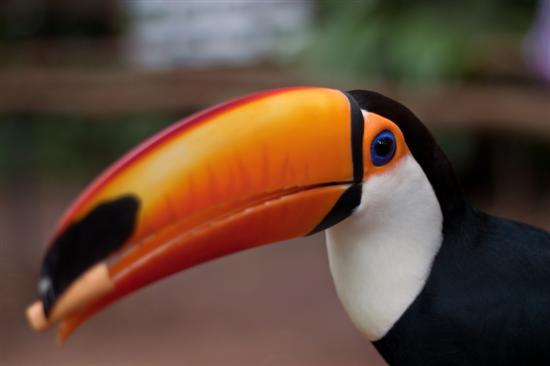
Match bird beaks to hardware store tools and use the tool's purpose to predict what each bird eats.
Medium
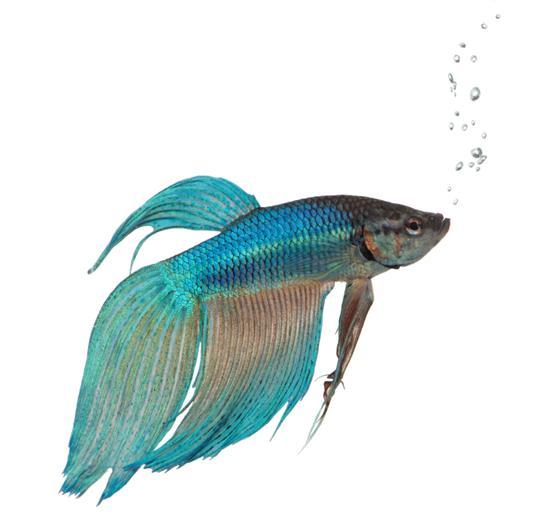
Show a betta fish its own reflection again and again to discover how quickly it stops flaring at the mirror.
Medium

Pick any biome, find two species on different continents, and discover how the same environment can sculpt unrelated animals into near look-alikes.
Medium
Share this Science Project: