Lung Capacity and Fitness Level
Hypothesis
Science Concepts Learned
Lung capacity is one way to measure fitness, and a water displacement method makes the measurement visible. You fill a bottle with water, turn it upside down, and have a volunteer blow through a tube into it. The air pushes water out, and the markings on the bottle show the volume of air from one deep breath. Testing volunteers with different fitness levels reveals whether more active people hold more air.
A single breath can generate enough air pressure to push water out of a sealed container. You fill a plastic bottle with water, turn it upside down in a dish pan, and run a tube into the opening. Each volunteer takes a deep breath and blows through the tube into the bottle. The air pushes water out, and you read the markings on the bottle to measure the volume displaced. That volume equals the air the volunteer delivered in one breath. Testing 7 to 10 volunteers with different fitness levels lets you compare results and ask whether people who exercise more have bigger lungs.
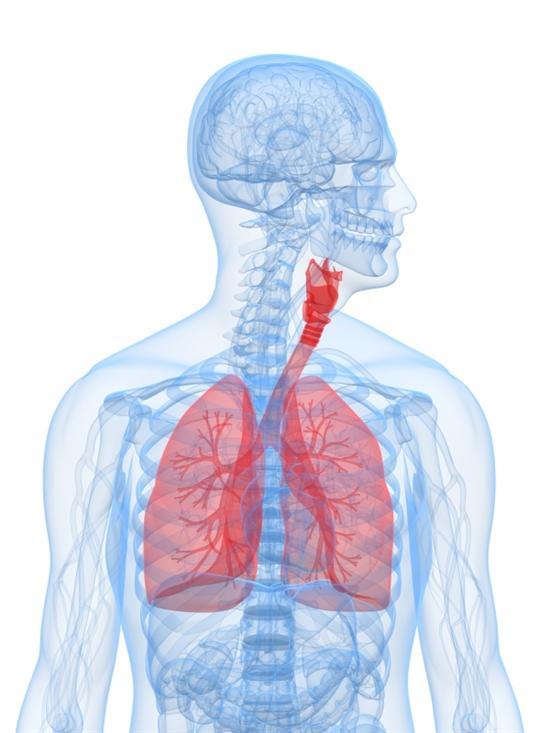
Regular exercise changes more than just heart rate. Lung capacity (the total air your lungs can hold) is one way to measure fitness. You can compare volunteers with different fitness levels using a water displacement method to see who holds more air.
Method & Materials
Tinker Crate — science & engineering build kits for ages 9–12 — real tools, real experiments, delivered monthly. (Affiliate link)
See what’s includedResults
Why do this project?
Also Consider
Full project details
Additional information and source material for this project are available below.Related videos
Related Science Fair Project Ideas