

Rainfall Patterns Across the US
Medium
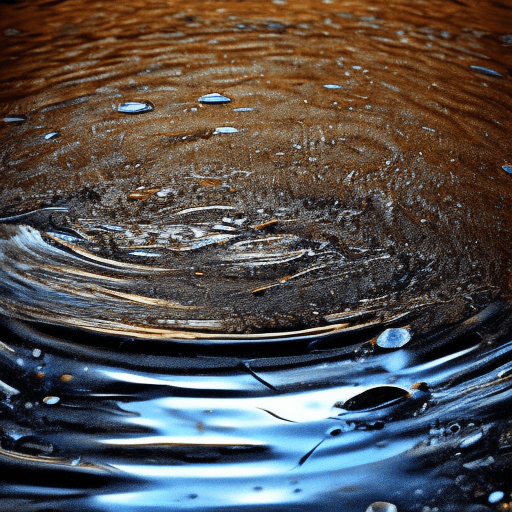
Does the same amount of rain and snow fall everywhere in the United States? Different cities can get very different amounts in the same month.
You collect weekly precipitation data from schools across the country by email. Each school reports how much rain or snow fell that week. You also set up homemade rain gauges at home to track local differences.
The results show big gaps between cities. One city may get almost no snow while another gets over 50 centimeters in the same month.
Hypothesis
The hypothesis is that there will be different amounts of precipitation in different parts of the US.
Science Concepts Learned
Precipitation
Precipitation falls as rain or snow, but the amount varies widely by location. When you collect weekly data from schools across the country, the gaps between cities become striking. One city may get almost no snow while another gets over 50 centimeters in the same month.
Method & Materials
You will collect data from different parts of the US, measure the amount of precipitation at your own home, and compare the data.
You will need a rain gauge, 2 liter pop bottles, and email.
Tinker Crate — science & engineering build kits for ages 9–12 — real tools, real experiments, delivered monthly. (Affiliate link)
See what’s includedResults
We found that there were different amounts of precipitation across the US, and even in our own area. California had a lot of rain due to El Nino, while Evanston had no snow.
Why do this project?
This science project is interesting because it shows how weather can vary in different parts of the country.
Also Consider
Experiment variations to consider include measuring the amount of precipitation over a longer period of time, or collecting data from more locations.
Full project details
Additional information and source material for this project are available below.Related video
These videos explain the science behind this project and demonstrate key concepts used in the experiment.
Share this Science Project:
Browse by Grade
Featured In
Related Science Fair Project Ideas

Drop a lit match into a jar with water vapor and seal it with a plastic bag. Pull the bag outward and watch a real cloud form inside.
Medium
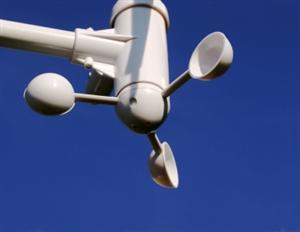
Mount four anemometers at different heights on a hilltop pole and watch how the ground slows the wind down.
Medium
Connect two soda bottles cap-to-cap and swirl the water to create a spinning tornado vortex you can hold.
Medium
Share this Science Project: