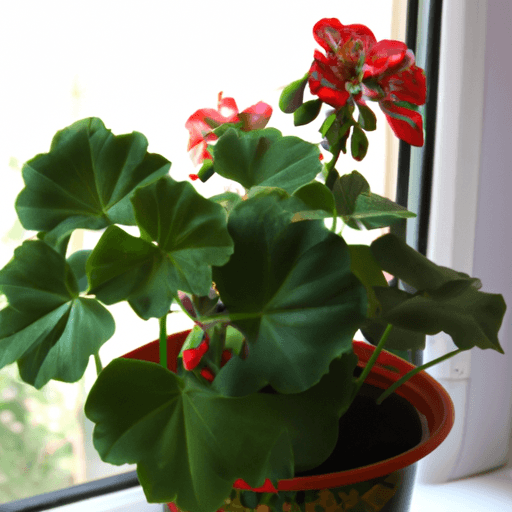
Can you grow a whole new plant from a single cut stem? You snip four healthy stems from a geranium and place them in jars of distilled water. The jars sit in direct sunlight for two to three weeks.
Within 10 to 14 days small roots appear on the cut ends. These are adventitious roots (roots that sprout from a stem instead of the normal root system). Once the roots grow you transfer the cuttings to pots with soil. The potted stems look just like the original parent plant. This process is called fragmentation. It is a type of vegetative propagation (growing a new plant from a non-seed part of a parent).
Hypothesis
The hypothesis is that plants can reproduce asexually by fragmentation.
This project starts with a simple cut. You snip four healthy stems from a geranium and place them in jars of distilled water, then watch what happens over two to three weeks. Within 10 to 14 days, adventitious roots — roots that sprout from a stem rather than a normal root system — begin to appear on the cut ends. When the roots have grown, you transfer the cuttings to pots with soil, where they develop into plants that look just like the original parent. That is the essence of vegetative propagation: a new plant grown from a cut piece, not from a seed.
Plant hormones are signals inside a plant that tell roots when to grow. When you snip a geranium stem and place it in water, something remarkable happens: within 10 to 14 days, small roots appear on the cut ends. These are adventitious roots — roots that sprout from a stem rather than the normal root system. That means the signals within the plant can direct growth from unexpected places, turning a single cut stem into the start of a whole new plant.
Can you grow a whole new plant from a single cut stem? You snip four healthy stems from a geranium and place them in jars of distilled water set in direct sunlight. Within 10 to 14 days, small adventitious roots — roots that sprout from a stem instead of the normal root system — appear on the cut ends. When the roots are established, you transfer the cuttings to pots with soil. The potted stems look just like the original parent plant. This process is called fragmentation, a type of vegetative propagation that grows a new plant from a non-seed part of the parent.
Method & Materials
You will fill jars with water, cut stems from a geranium plant, place the stems in the jars, observe the cut ends for two to three weeks, and then transfer the cuttings to flowerpots filled with potting soil.
You will need two 1-qt jars, scissors, distilled water, and a geranium plant.
Tinker Crate — science & engineering build kits for ages 9–12 — real tools, real experiments, delivered monthly. (Affiliate link)
After two to three weeks, small roots can be seen growing from the ends of the stems. These roots continue to grow, and the potted stems mature into plants resembling the original. This is an example of asexual reproduction, a method of reproducing a new organism from one parent.
Why do this project?
This science project is interesting and unique because it explores a type of asexual reproduction called vegetative propagation, and demonstrates how plants can reproduce by breaking off pieces of themselves.
Also Consider
Experiment variations to consider include: (1) testing whether leaves affect the ability of a stem to reproduce by fragmentation, and (2) testing whether the type of plant affects its ability to reproduce by fragmentation.
Full project details
Additional information and source material for this project are available below.