

Vegetative Propagation Methods Compared
Medium
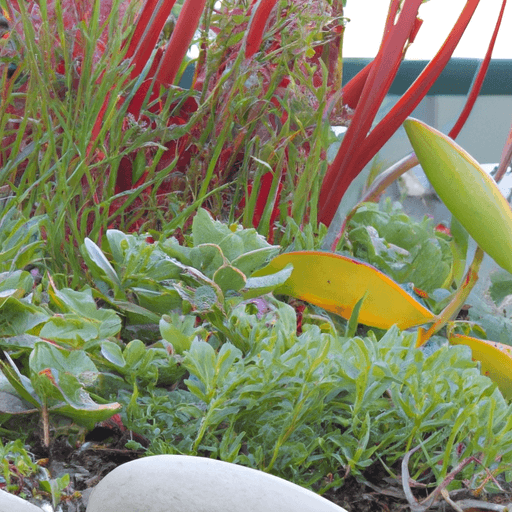
Can you grow a new plant from just a leaf or a piece of stem? Vegetative propagation (growing plants without seeds) offers three methods.
- **Leaf cutting:** Remove a leaf with its stem and place it in moist soil or water
- **Stem cutting:** Cut a short piece of stem with a few nodes and root it in soil
- **Layering:** Bend a low stem to the ground and bury a wounded section until roots form
You pick two of these methods and test them on the same plant. Then you compare which one produces roots faster.
Hypothesis
The hypothesis is that one of the methods of vegetative propagation will be the most effective for propagating the plant.
Science Concepts Learned
Asexual Reproduction in Plants
Plants do not always need seeds to reproduce. Vegetative propagation offers three methods: leaf cutting, stem cutting, and layering. With a leaf cutting, you remove a leaf with its stem and place it in moist soil or water. A stem cutting uses a short piece of stem with a few nodes, rooted in soil. Layering bends a low stem to the ground and buries a wounded section until roots form. You pick two of these methods, test them on the same plant, and compare which one produces roots faster — revealing which approach to growing a new plant from the parent works best.
Method & Materials
You will select a healthy plant to work with, consult with your partner and instructor to decide which two methods of vegetative propagation to use, and then follow the instructions for each method.
You will need a healthy plant, rooting hormone, soil, and water.
Eureka Crate — engineering & invention kits for ages 12+ — monthly projects that build real-world skills. (Affiliate link)
See what’s includedResults
The experiment showed that one of the methods of vegetative propagation was the most effective for propagating the plant. The leaf cutting method was the most successful, with adventitious roots developing at the base of the petiole.
Why do this project?
This science project is interesting and unique because it allows students to explore different methods of vegetative propagation and see which one works best.
Also Consider
Experiment variations to consider include using different types of plants, different rooting hormones, and different soil types.
Full project details
Additional information and source material for this project are available below.Related video
These videos explain the science behind this project and demonstrate key concepts used in the experiment.
Share this Science Project:
Browse by Grade
Featured In
Related Science Fair Project Ideas
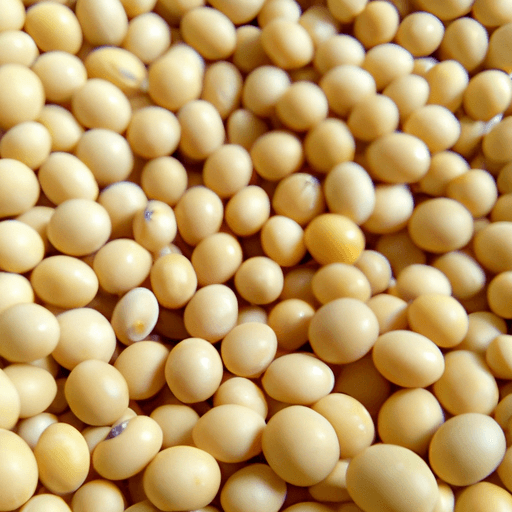
Sort soybean seeds by weight and test whether heavier or lighter seeds push through 10 centimeters of soil faster.
Medium
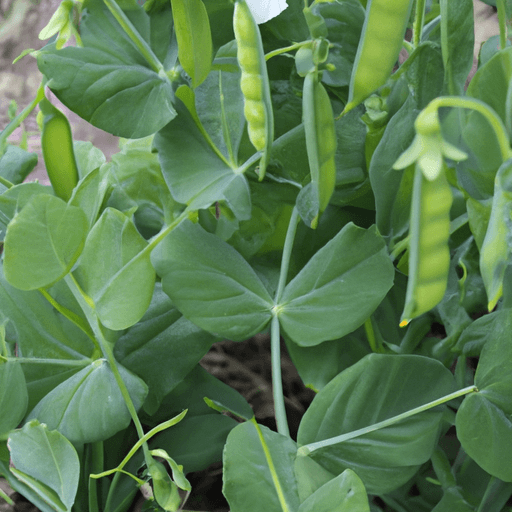
Plant pea seeds in 14 different soil samples and track which root diseases appear most often as the plants grow.
Medium
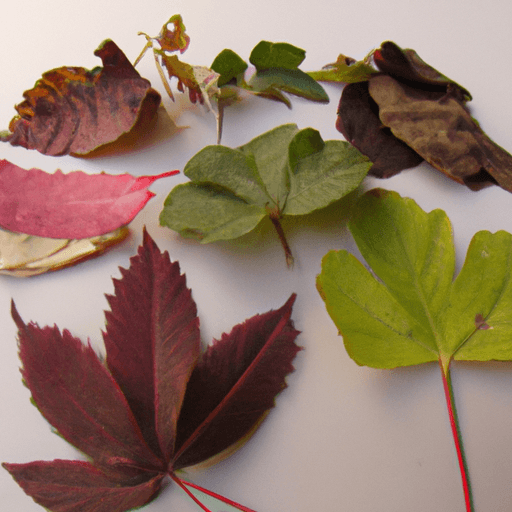
Soak torn leaves in rubbing alcohol and use coffee filter strips to separate the hidden colors that chlorophyll covers up all summer.
Medium
Share this Science Project: