How do meteorologists (weather scientists) track conditions throughout the day? Four simple instruments cover the basics.
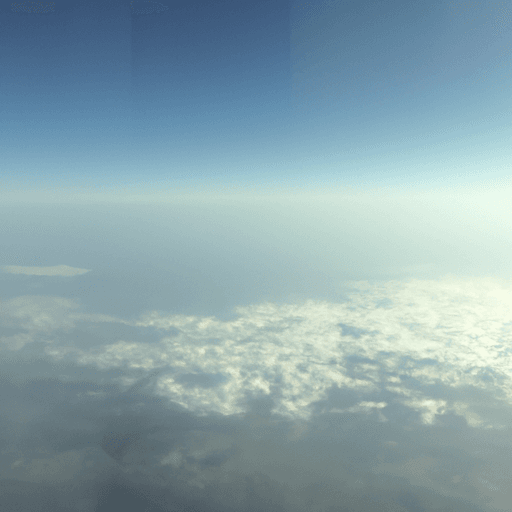
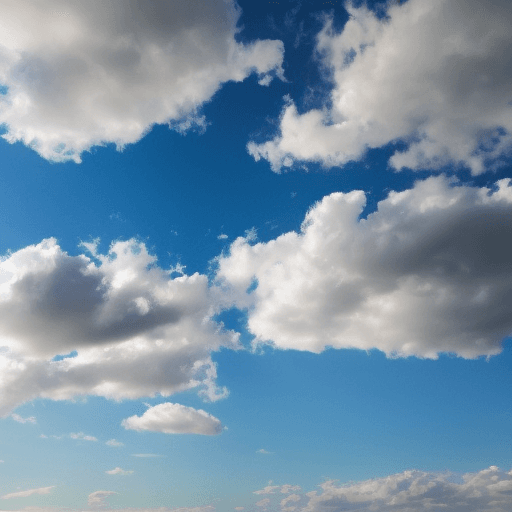
A cloud mirror measures cloud cover. Divide a large mirror into 16 squares and lay it on the ground. Count the cloudy squares and divide by two to get oktas (eighths of sky covered).
A wet-and-dry-bulb hygrometer measures humidity (moisture in the air). A barometer tracks air pressure in millibars. A max/min thermometer records the highest and lowest temperatures each day.
Hypothesis
The hypothesis is that the weather can be accurately measured using the tools and techniques described in this project.
Air pressure is the push of air on everything around it, and it changes with the weather. A barometer tracks that push in millibars, giving you a direct reading of how hard the air presses down at any moment.
A barometer is one of several tools that help measure weather conditions. Here, it tracks air pressure in millibars alongside instruments for cloud cover, humidity, and temperature. The hypothesis is that the weather can be accurately measured using the tools and techniques described in this project.
Humidity is the amount of water held in the air around you. A wet-and-dry-bulb hygrometer captures that moisture reading as one of four weather measurements in this station — alongside cloud cover, air pressure, and temperature.
Method & Materials
You will measure cloud cover using a cloud mirror, humidity using a hygrometer, pressure using a barometer, and temperature using a max/min thermometer.
You will need a cloud mirror, hygrometer, barometer, and max/min thermometer.
Tinker Crate — science & engineering build kits for ages 9–12 — real tools, real experiments, delivered monthly. (Affiliate link)
After completing this project, you will have a better understanding of how meteorologists measure the weather. You will also have a better understanding of the importance of humidity, pressure, and temperature in predicting the weather.
Why do this project?
This science project is unique because it teaches you how to measure the weather around you with simple tools and techniques.
Also Consider
Experiment variations to consider include measuring the weather in different locations or at different times of the day.
Full project details
Additional information and source material for this project are available below.