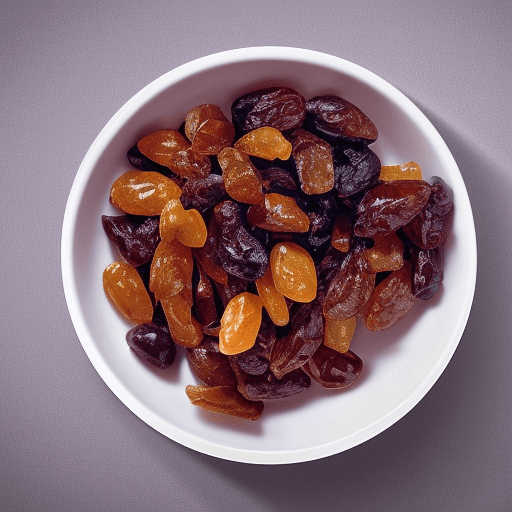
What happens when you drop raisins into a glass of soda water? The raisins sink at first. Then something strange begins.
Carbon dioxide (the gas that makes soda fizzy) collects on the bumpy surface of each raisin. Tiny bubbles cling to the wrinkles and ridges. Once enough bubbles gather, they lift the raisin to the surface.
At the top, the bubbles pop and release their gas into the air. Without the bubbles, the raisin sinks again. This cycle repeats, making the raisins bob up and down.
Hypothesis
The hypothesis is that the raisins will bob to the surface of the soda water.
An object sinks when it is denser than the liquid around it. Raisins are denser than soda water, so they sink at first. But carbon dioxide — the gas that makes soda fizzy — collects on each raisin's bumpy, wrinkled surface. As enough tiny bubbles cling to the ridges, the raisin-plus-bubbles combination becomes less dense than the water and floats to the top. There, the bubbles pop and release their gas. Without that lift, the raisin sinks again, and the cycle repeats.
Raisins are heavier than water, so they sink when you drop them into a glass of soda water. Then something changes. Carbon dioxide — the gas that makes soda fizzy — collects on the bumpy surface of each raisin. Tiny bubbles cling to the wrinkles and ridges, and once enough gather, that upward push becomes strong enough to carry the raisin to the surface. At the top, the bubbles pop and release their gas. Without them, the raisin sinks again and the cycle repeats.
Method & Materials
You will fill a glass or bottle half full with soda water and drop three or four raisins into the water.
You will need a glass or bottle, soda water, and raisins.
The experiment showed that the raisins bob to the surface of the soda water due to the carbon dioxide gas that collects on the irregular surfaces of the raisins.
Why do this project?
This science project is interesting and unique because it is a simple experiment that can be done with everyday materials and it produces a fun result.
Also Consider
Experiment variations to consider include using different types of soda water or adding more raisins to the glass.
Full project details
Additional information and source material for this project are available below.