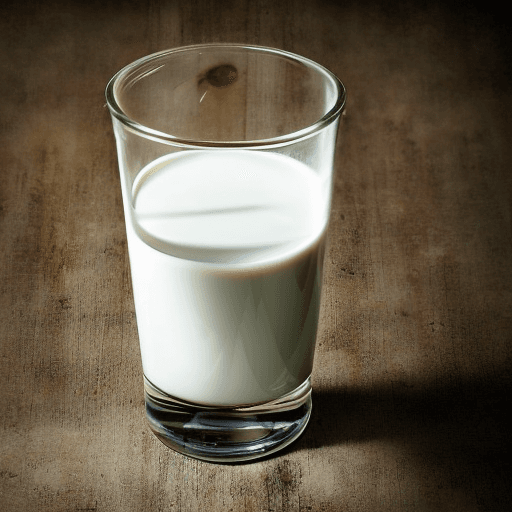
Can you turn a glass of milk into sticky glue? Milk contains a protein called casein (the main solid in milk). When you add vinegar and heat, the casein clumps together and separates from the liquid.
Heat skim milk in a beaker and stir in vinegar. Small lumps will form. Filter the solid curds from the liquid whey. Press out the extra liquid through the filter paper.
Return the curds to the beaker with water. Add baking soda to neutralize the vinegar. Bubbles will appear. The result is a sticky substance you can test as glue.
Hypothesis
The hypothesis is that heat and acid will cause a reaction in milk proteins.
Neutralization can also reverse the effect of an acid already in a mixture. In this experiment, vinegar separates casein protein from milk. After filtering the curds, you add baking soda to neutralize the leftover vinegar. Bubbles appear as the acid and base cancel each other out, leaving a sticky substance you can test as glue.
Heat and acid unfold milk proteins, causing the casein to clump together and separate from the liquid. When you heat skim milk in a beaker and stir in vinegar, small lumps form — solid curds of denatured casein that filter out from the whey. As a result, what started as a glass of liquid milk becomes a sticky substance you can test as glue.
Method & Materials
You will place skim milk in a pot, add vinegar, heat, and stir until lumps form. Then filter the solid from the liquid, add water and baking soda, and observe the results.
You will need skim milk, a beaker, vinegar, a heat source, baking soda, a funnel and filter paper, a stirring rod, water, and a graduated cylinder.
MEL Chemistry — hands-on chemistry experiment kits delivered monthly — great for building lab skills at home. (Affiliate link)
The heat and acid changed the properties of the milk. We observed a precipitation reaction and a neutralization reaction, which changed the milk from a liquid to a plastic-like substance.
Why do this project?
This science project is interesting and unique because it uses everyday items to create an unexpected plastic-like substance that can be molded into different shapes.
Also Consider
Experiment variations to consider include using different types of milk (lowfat, whole milk, almond milk), adding different amounts of vinegar, and cooking the mixture at different temperatures.
Full project details
Additional information and source material for this project are available below.
These videos explain the science behind this project and demonstrate key concepts used in the experiment.
Are you curious to see if milk can actually fix a broken plate? And that's not all, did you know that you can even make a plate or cup out of plastic milk? Let's watch this video and discover if it's possible to drink milk out of a cup made entirely out of milk!
Making LEGO figures out of milk might sound unbelievable, but the science behind Plastic Milk makes it possible! In this exciting video, you'll learn how to turn regular milk into plastic and how you can shape it into fun shapes like LEGO figures and dinosaurs. Imagine being able to create a whole set of fun figures using just milk and a few simple ingredients.
Have you ever run out of glue in the middle of a project and didn't know what to do? Well, don't worry! You can make your own glue with milk using a variation of the plastic milk experiment. Check out this video to see how it's done!