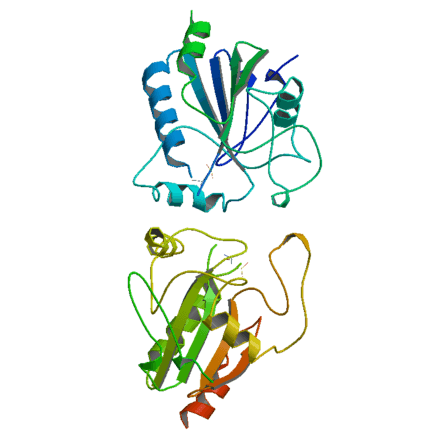
How does your body turn starch into sugar? An enzyme (a protein that speeds up chemical reactions) called amylase does the work. It is found in saliva and pancreatic juice.
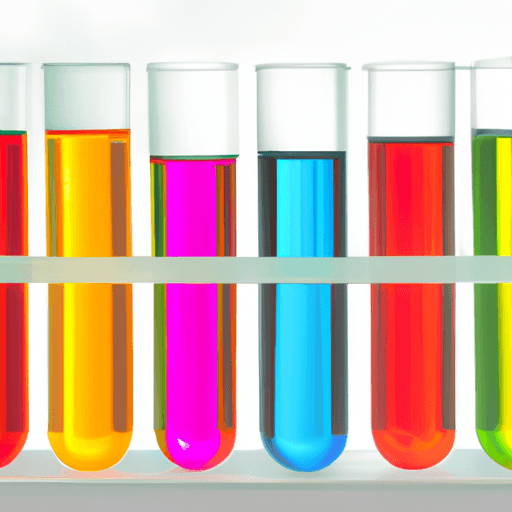
You set up five test tubes with different combinations of starch solution and amylase. Some tubes get active amylase. Others get boiled amylase that no longer works. You place all five in a warm water bath and wait.
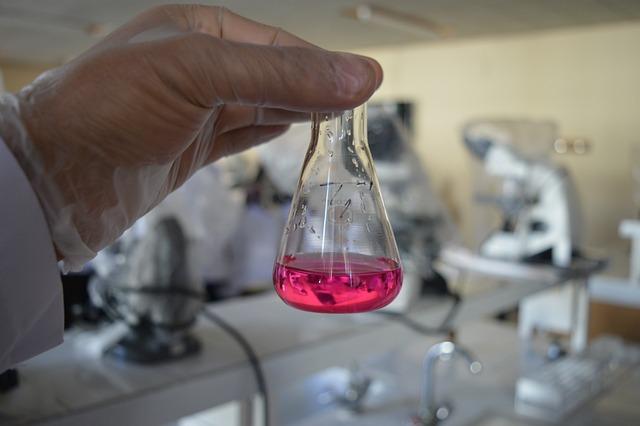
Then you test each tube with iodine and Benedict's solution. Iodine turns blue-black when starch is present. Benedict's solution turns orange when sugar is present. The results show which tubes still contain starch and which have been broken down into sugar.
Hypothesis
The hypothesis is that amylase will break down starch into soluble sugars.
Amylase, found in saliva and pancreatic juice, speeds up the breakdown of starch into sugar. When it is boiled, it no longer works. You set up five test tubes with different combinations of starch solution and amylase — some with active enzyme, others with boiled enzyme that has been deactivated. After placing all five in a warm water bath, you test each tube with iodine and Benedict's solution. Iodine turns blue-black when starch is present; Benedict's solution turns orange when sugar is present. The results show clearly which tubes still contain starch and which have been broken down.
When water and amylase break starch apart into smaller sugars, the change is invisible until you test for it. Iodine turns blue-black when starch is still present, and Benedict's solution turns orange when sugar is present, revealing exactly where hydrolysis happened.
Method & Materials
You will label test tubes, add liquids to them, and place them in a warm waterbath. You will also test the solubility of starch, maltose, and glucose, and observe the effects of iodine and Benedict's solution on them.
You will need amylase solution, starch solution, maltose powder, glucose powder, iodine solution, Benedict's solution, 8 clean test tubes, a test-tube rack, a glass/plastic rod, a recessed tile, paper towel, a spirit marker, safety glasses, a plastic pot, and waterbaths at 37°C and 100°C.
Eureka Crate — engineering & invention kits for ages 12+ — monthly projects that build real-world skills. (Affiliate link)
Our experiment showed that amylase breaks down starch into soluble sugars. We observed that starch was blue-black in color when mixed with iodine, while maltose and glucose were clear orange. When Benedict's solution was added, starch produced a blue color, while maltose and glucose produced orange precipitates.
Why do this project?
This science project is interesting because it demonstrates how enzymes work to break down starch into soluble sugars. It also provides an opportunity to practice testing for starch and sugars.
Also Consider
Experiment variations to consider include testing the effects of different temperatures on the enzyme activity, and testing the effects of different concentrations of amylase on starch.
Full project details
Additional information and source material for this project are available below.