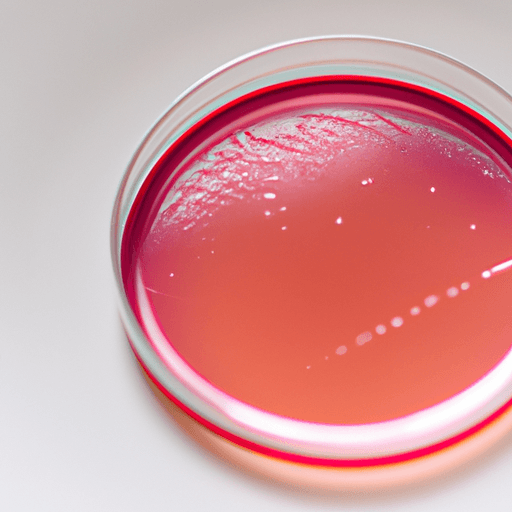
The effectiveness of Antibacterial soap This experiment was done to find out if antibacterial soap is more effective in killing bacteria than normal soap. This will help us decide whether we should spend more money to buy antibacterial soap or just use normal soap.
Nicotine and cancer This science fair project was performed to study the effect of nicotine on cancer cell growth. The experiment was done by exposing human colorectal adenocarcinoma cells to nicotine
Difficulty: High school
Examining the effect of temperature on bacteria The objective of this science fair project is to investigate the effect of hot and freezing conditions on the survival of bacteria. The experiment will be carried out by placing E Coli, Streptococcus and Bacillus bacteria at -78 degrees Celsius, 0 degrees Celsius, 25 degrees Celsius, 60 degrees Celsius and 100 degrees Celsius
Difficulty: High school
Bacteria and toothpaste This science fair project was done to ascertain if brushing teeth with toothpaste will reduce the amount of bacteria in our mouths. The science project experiment involved using different brands of toothpaste - Colgate, Sensodyne, Aquafresh and Crest.
Difficulty: High school
Bacteria in your toothbrush This science fair project was done to find out the best way of reducing bacteria in toothbrush. The science project experiment involved using and keeping the toothbrush in different conditions.
Difficulty: Middle school
What is the Effect of Anhydrous Ammonia on the Dehydration Rate of Plant and Animal Cells? The purpose of this experiment was to compare the dehydration rate of plant and animal cells exposed to anhydrous ammonia.
The information gained from this experiment could help people preserve food. Also it will help with food transportation because dehydration cuts down the weight by taking away the moisture. This could also help space travel.
Difficulty: Middle school
The effect of pollutants on light bioluminescent bacteria This year for our science fair project we decided to work with bioluminescent bacteria. We heard of bioluminescent bacteria through our science teacher. From there we decided to investigate. Bioluminescence is the giving off of light by an organism without heat. We read that bioluminescent bacteria are being used to diagnose the amount of pollution in water.
We believe that the pollutants will
Difficulty: Middle school
Do cell sizes differ, depending on the size of the organism? The researchers hypothesized that larger organisms are not necessarily composed of larger cells than smaller organisms. This hypothesis was based on the premise that many organism are composed of specialized cells that perform different functions and those cells may vary in size. The examination of four cell specimens from organisms of varied sizes supported the researchers' hypothesis. The four c
Difficulty: High school
Studying the GST-Y10 Protein: Is the C-domain Resonsible for Histone
Interaction? The NAP1 protein is the protein that assembles nucleosomes and organizes DNA inside the nucleus of cells. The aim of this experiment is to determine whether the GST-Y10 protein has the ability to bind histones. The experiment will consist of two major steps; creating the GST-Y10 protein and a pull down assay using the produced protein and histones.
Science kits, science lessons, science toys, maths toys, hobby kits,
science games and books - these are some of many products that can
help give your kid an edge in their science fair projects, and develop
a tremendous interest in the study of science. When shopping for
a science kit or other supplies, make sure that you carefully review
the features and quality of the products. Compare prices by going
to several online stores. Read product reviews online or refer to
magazines.