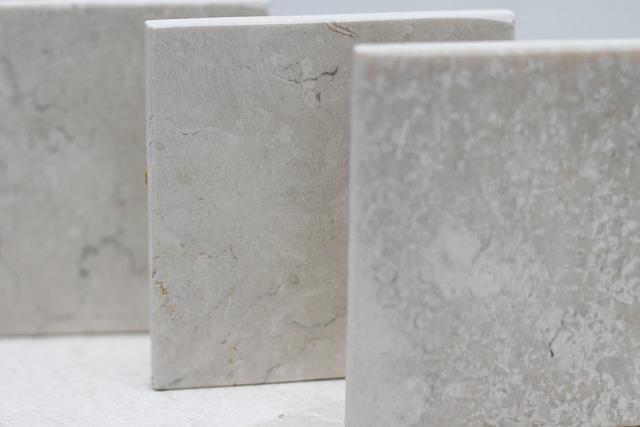
Can a chemical coating stop acid rain from eating away at marble? Marble buildings and sculptures dissolve slowly when exposed to acid. Calcium oxalate is a compound that may form a protective layer on the stone's surface.
You prepare three marble tiles that each weigh 100 grams. One gets no coating. One gets a commercial sealant. The third gets a coat of oxalic acid that reacts with the marble to form calcium oxalate. You soak all three in vinegar for five days and weigh them each day.
The uncoated tile loses the most weight. The calcium oxalate tile and the sealant tile both hold up much better against the acid.
Hypothesis
The hypothesis is that the marble surface coated with calcium oxalate will show the least amount of decay.
When harmful gases mix with rainfall, they form a weak acid that slowly eats away at stone. Marble buildings and sculptures are especially vulnerable — they lose mass over time as the acid dissolves the surface. This experiment tests whether a calcium oxalate coating can protect marble tiles from that damage. Three tiles each weigh 100 grams at the start. One gets no coating, one gets a commercial sealant, and the third gets a coat of oxalic acid that reacts with the marble to form calcium oxalate. All three soak in vinegar for five days while you track the weight each day. The uncoated tile loses the most mass. The calcium oxalate tile and the sealant tile both hold up much better, showing how a protective layer can slow the damage acid causes to stone surfaces.
Acid reacts with marble and dissolves it over time — the same process that slowly eats away at stone buildings and sculptures exposed to acid rain. A calcium oxalate coating may interrupt this reaction by forming a protective layer on the stone's surface. In one test, an uncoated marble tile lost the most weight after five days in vinegar, while a calcium oxalate-coated tile held up much better against the acid.
Method & Materials
You will clean three marble tiles, apply different coatings to each, and measure their weight in an acidic solution over time.
You will need three marble tiles, oxalic acid, a commercial marble sealant, beakers, vinegar, a measuring cylinder, a cloth, sandpaper, and a digital weighing scale.
Eureka Crate — engineering & invention kits for ages 12+ — monthly projects that build real-world skills. (Affiliate link)
The results showed that the marble tile coated with calcium oxalate dissolved the least in the vinegar solution. This proves that calcium oxalate is an effective way to protect marble from acid rain.
Why do this project?
This science project is interesting because it shows how a simple solution can be used to protect a valuable material from a serious environmental problem.
Also Consider
Variations of this project could include testing different methods of applying the coating of oxalic acid (e.g. spraying, dipping and polishing) or repeating the experiment with limestone instead of marble.
Full project details
Additional information and source material for this project are available below.