
Introduction to Science Fairs & How to Do a Science Fair Project
Stressed about the science fair project?
The benefits of science fair projects
Types of science fair projects
How to find a science fair project idea
How to do a science fair project
Stressed About the Science Fair Project?

Science fair projects can be scary and overwhelming, but we're here to help!
We'll help you pick a cool project that you're interested in.
We'll guide you through the steps and give you resources to do an awesome science fair project!
Are you dreading the upcoming science fair project assignment? It's completely understandable! The idea of doing a science fair project can be intimidating and overwhelming, especially if you're unsure where to begin.
But don't worry! Let us guide you on your science fair project journey. Our goal is to walk you through the process step-by-step with engaging videos, ensuring that you enjoy the process and develop a deeper curiosity for science. We have an extensive collection of science project ideas for you to explore and find one that sparks your interest!
To start off, if you're concerned about the difficulty level, we have a variety of easy science fair projects for each grade. With these projects, you'll have so much fun that you won't even realize you're learning science!
Get ready to unleash your curiosity and creativity, and make your science fair project an unforgettable experience!
The Benefits of Science Fair Projects

Science fair projects are a fun, hands-on way to learn about science.
You can learn to solve problems by following the scientific method.
You can learn science from your classmates' science fair projects!
Science fair projects are not just fun but have numerous benefits too!
One of the best things about science fair projects is that they allow you to follow the scientific method, a step-by-step process of investigating and understanding scientific phenomena. As you go through this process, you'll develop critical thinking and problem-solving skills that will help you in many areas of your life. You'll also learn how to organize and present data in a way that makes sense to others.
Another benefit of science fairs is the opportunity to learn from your classmates. You'll be able to see a wide range of science fair projects, each one unique and exploring different areas of science. By talking to others about their projects, you'll get ideas and insights that you might not have considered before. Plus, you'll be able to share your own project with others and get valuable feedback.
Finally, science fair projects are just plain fun! You get to explore science in a hands-on way, asking questions and seeking answers. You might even discover something new or unexpected in the process. By participating in a science fair, you'll cultivate a lifelong love of science and the curiosity to keep exploring.
So, whether you're in kindergarten or twelfth grade, science fair projects are a fantastic way to learn, grow, and have fun. Get ready to dive into your project and discover the wonders of science!
Types of Science Fair Projects
Science fair projects can be grouped into five types:
investigative project
historical experiment
research project
hobby collection
model construction
Let's take a look at them in detail!
The investigative project
 The first type is called the investigative project, which is the most popular type of science fair project. In an investigative project, you ask a question, make a guess or theory, and then test it through experiments. You will commonly use the scientific method to guide your project, and some examples of investigative projects are the testable questions projects.
The historical experiment
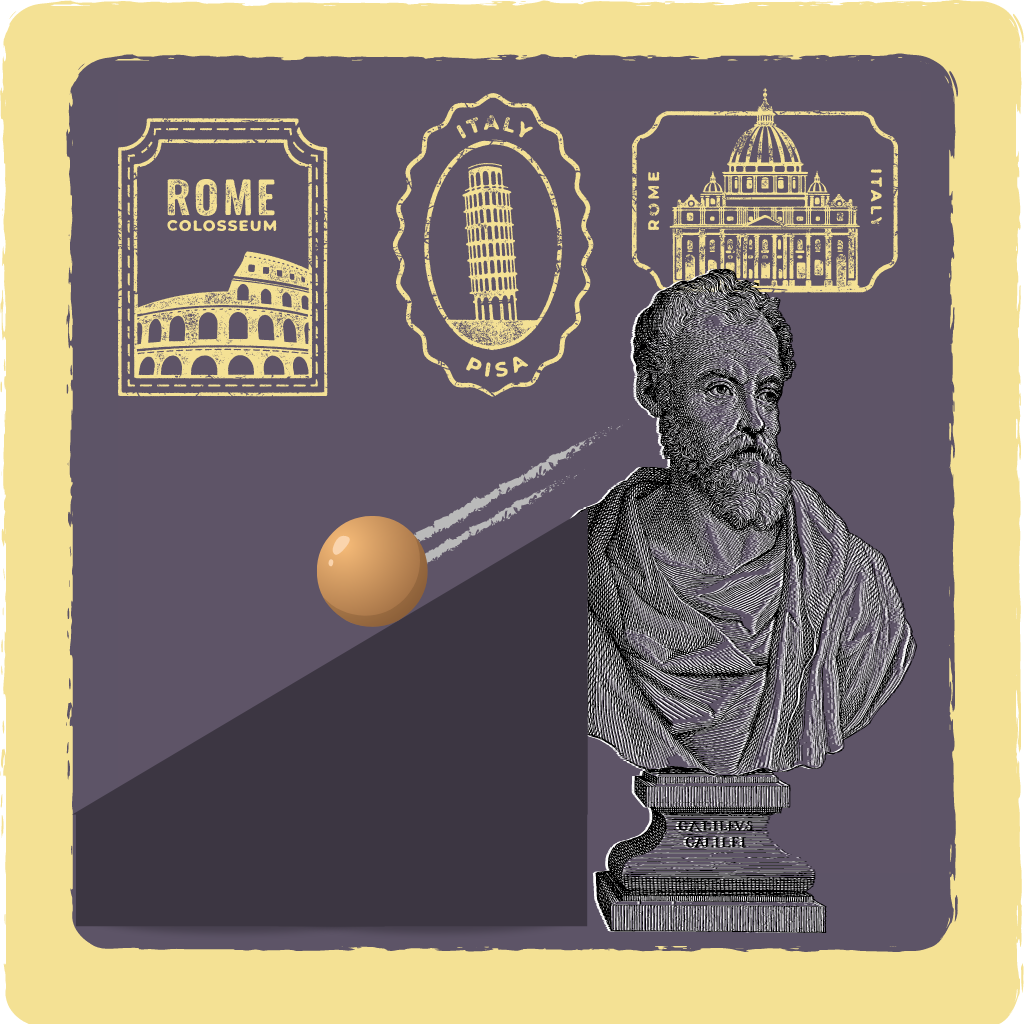 The second type is the historical experiment project. This type involves repeating a famous experiment that has already been done before. The purpose of repeating a historical experiment is to experience how the scientist made their discovery, and it also provides an opportunity to investigate the experiment further. An example is Galileo's Inclined Plane Experiment, where Galileo figured out that a marble rolling down an inclined plane accelerates.
The research project
 The third type is the research project, which requires doing extensive research on a topic and writing a report or creating a poster to show the key findings. You can find information for your research project in places such as science museums, websites, and the library. Some examples of research projects include researching endangered species, deep ocean creatures, or findings from the Hubble telescope.
The hobby collection
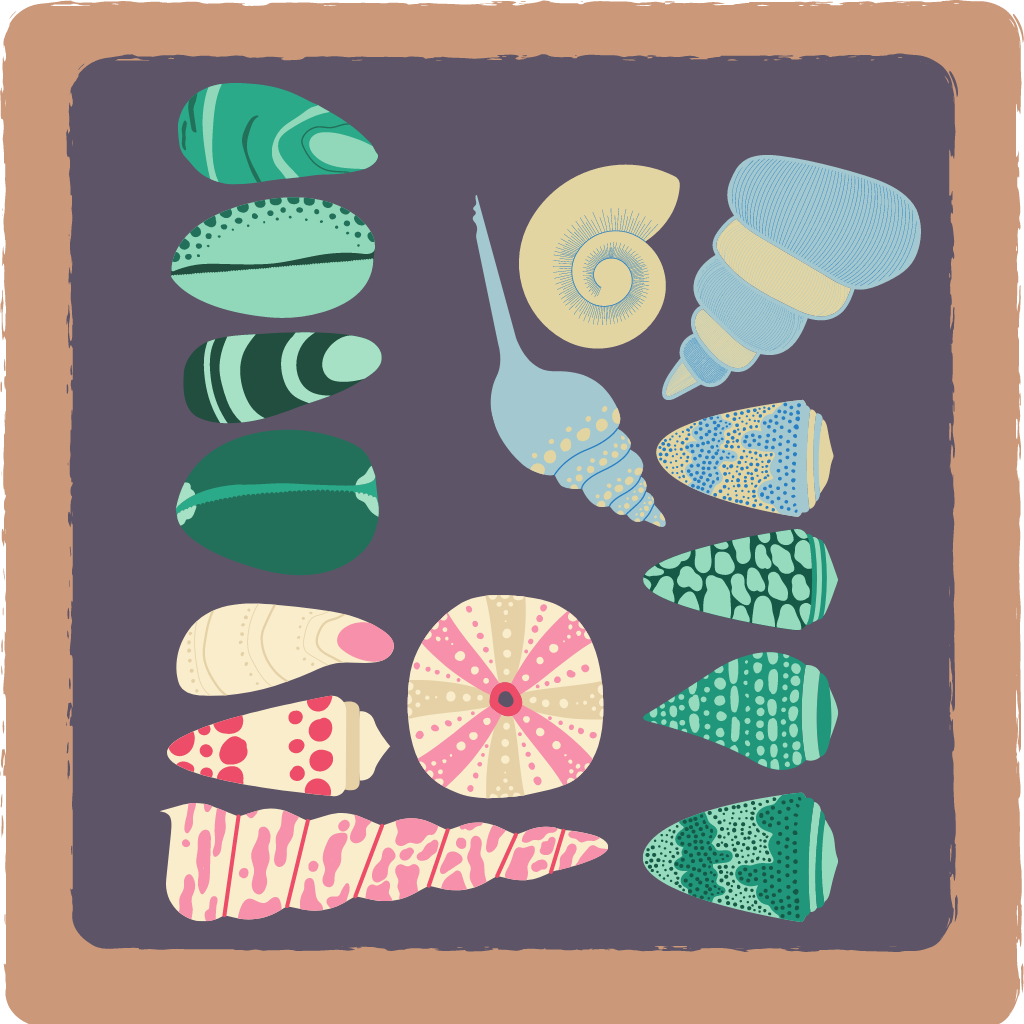 The fourth type is the hobby collection project, which involves gathering interesting or unique objects and explaining how they're related or different, and special characteristics about each type. Examples of collections could be shells, pressed leaves, or flowers that you find locally. A STEM hobby collection project focused on math could be collecting US quarter coins and calculating the probability of finding certain designs based on the number of coins in circulation.
The model construction
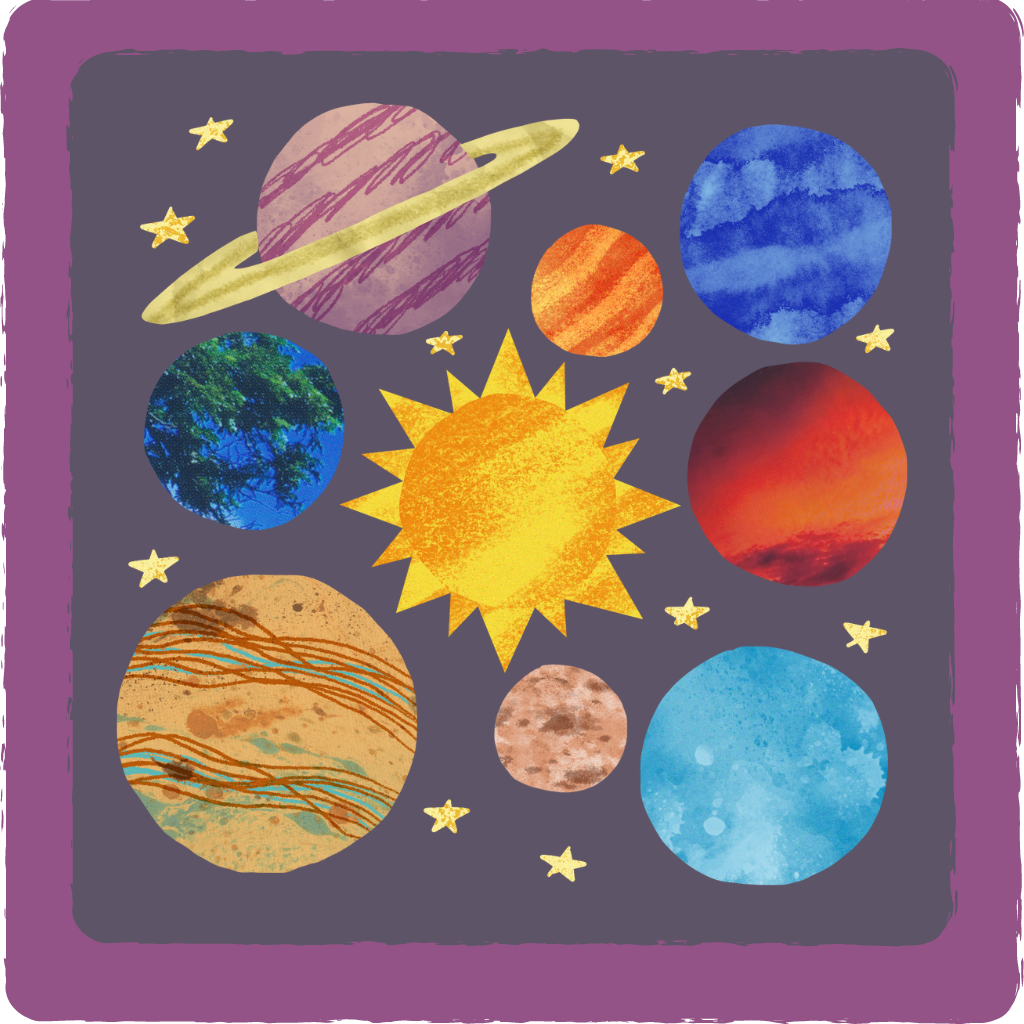 Finally, the fifth type is the model construction project, which requires building a model that shows how something works. Examples of models could be the solar system, a volcano, or even prototypes of robotics. With these different types of science fair projects, you can explore different aspects of science and find the type that best fits your interests and abilities.
How to Find a Science Fair Project Idea
Ask yourself questions
 To find a science fair project idea, you can start by thinking about what interests you. You can ask yourself questions like:
What do you like to talk about?
Are there any problems that you or people around you have that need solving?
What are you curious about?
What makes you excited or happy?
Once you have some ideas, you can look for common topics and use those as a starting point when searching the 1000+ science fair project ideas we have here.
Browse science fair project ideas by grade level & subject
 We have handpicked lists of projects for each grade level, from easy science fair projects to the best science fair projects. You can also browse science fair project ideas by subject, including biology, chemistry, physics, engineering, environmental science, behavioral science, medicine and health, math and computer science, and more!
Watch a STEM TV show
 Yes, another way you can find inspiration for your science fair project is to watch TV shows! Explore science with these captivating STEM TV shows ranging from cartoons and battling robots to math detectives and physicists!
Visit a museum
 Discover science fair project topics by visiting science museums. There may even be free admission on certain days, free passes through public libraries or credit card companies. So, find a science museum near you and be inspired for your science fair project!
How to Do a Science Fair Project
1) Plan the project
 Congratulations on finding your science fair project idea! Now it's time to plan and do your project. Here's a guide on how to do a science fair project.
Investigative Projects & Historical Experiments
If your project is an investigative or historical experiment, the goal is to understand how things work in nature. A hypothesis To do this, you can follow the scientific method, which we will explain step-by-step in the next section.
Engineering Projects
If your project is an engineering project, you'll need to build a solution to a problem. The engineering design process consists of 6 steps, which can help you build a great product.
Research Projects, Hobby Collection & Model Construction
If your project is a research project, hobby collection, or model construction, you'll be gathering and presenting information about a topic. For research projects, you'll need to spend a lot of time researching the topic. Hobby collections showcase various assortments that you'll need to collect, such as rocks, shells, leaves, flowers, or insects. Model construction projects typically focus on depicting a specific aspect of the topic and will take time to build.
2) Set a schedule
 Once you have decided on the type of project, it's time to set a schedule. Write down how long each part of the project will take, especially if your project involves growing plants or observing animal or human behavior. Make sure you have enough time to complete each part of the project, all before the project is due.
3) Collecting materials
 Next, gather the materials you need for your project. Check if you already have any of the materials at home. If you need to buy supplies or go somewhere to collect materials, ask an adult for help. If your project involves people, you'll need to ask classmates, friends, or family to participate in your experiment.
4) Doing the science project
 When you start working on your project, keep notes on any changes to the procedure and all your observations. Make accurate measurements when you're collecting data, even if it doesn't seem to support the hypothesis. Remember the purpose of a science experiment is to let the data reveal what is happening, not to make the data fit your hypothesis! If your project is a research project, hobby collection, or model construction, you'll need to give yourself plenty of time to research and gather information.
5) Analyzing data and drawing conclusions
 After you've collected your data, it's time to analyze it and draw conclusions. Follow the scientific method guide tips on how to analyze the data and draw conclusions.
6) Putting together a science fair board display
 After finishing the science project, the last step is communicating results on a science fair board display to your teachers and classmates. It could be a poster or a standing display on a table, depending on your assignment. Follow our step-by-step science fair poster guide to design and create an eye-catching poster! Give yourself at least a week's time to put everything together into a science fair board display so you won't be rushed. There may be last minute things you need to get for the display.
And that's how you can do a great science fair project from start to finish!
Great job finishing the introduction to science fair projects! Let's learn about the scientific method next!
More from Science Fair Coach
The Scientific Method
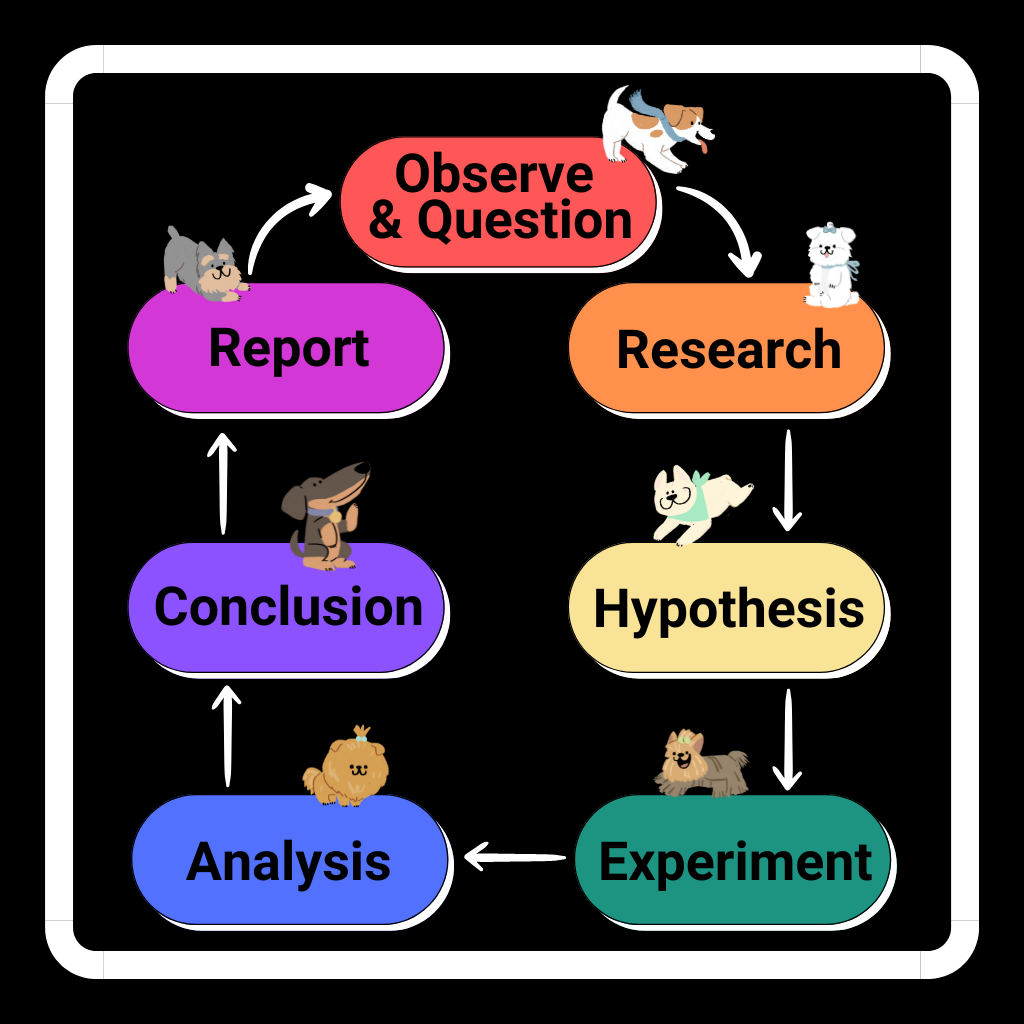 Gain an understanding of the 7 steps of the scientific method to learn how nature works, its application in a real-world example, and its historical evolution as a systematic approach to scientific investigation.
Science Fair Poster
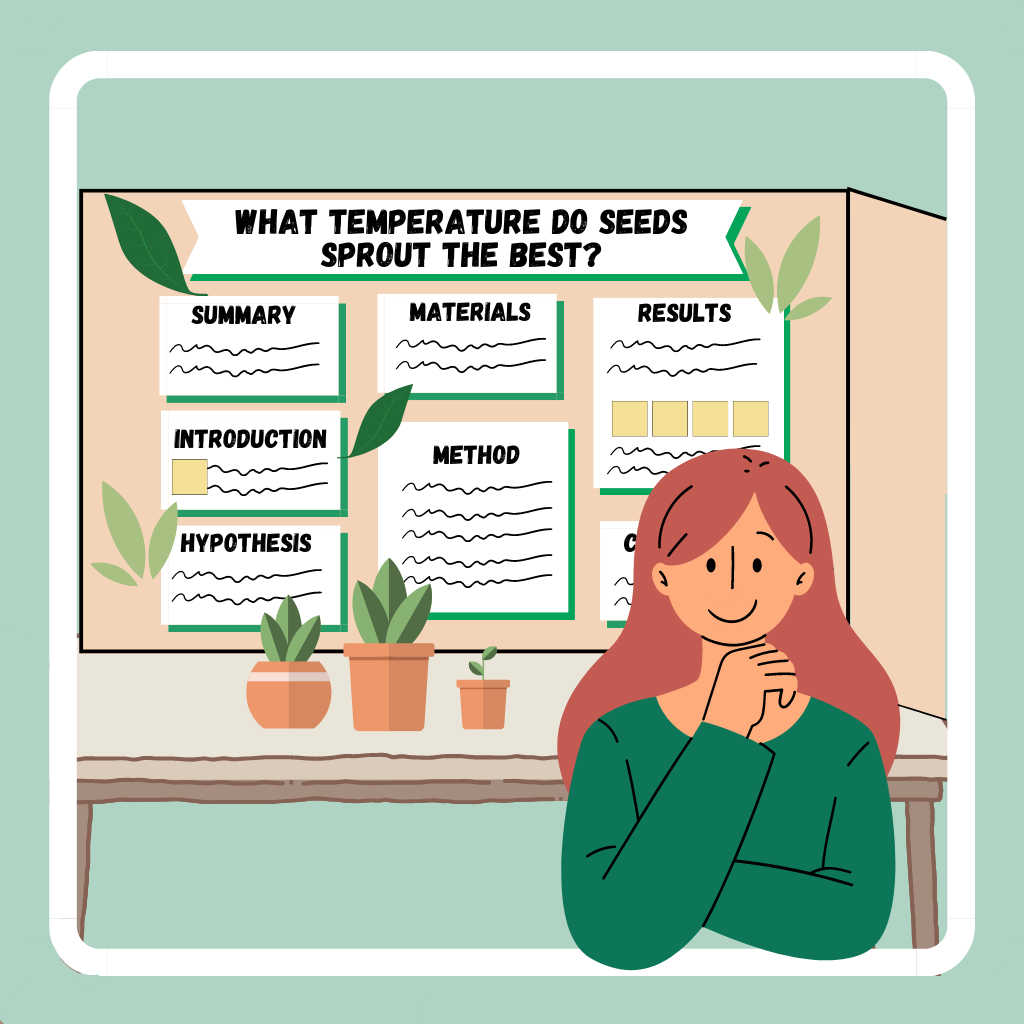 Follow our step-by-step guide to design and create an eye-catching poster that effectively displays your science fair project!
The Engineering Design Process
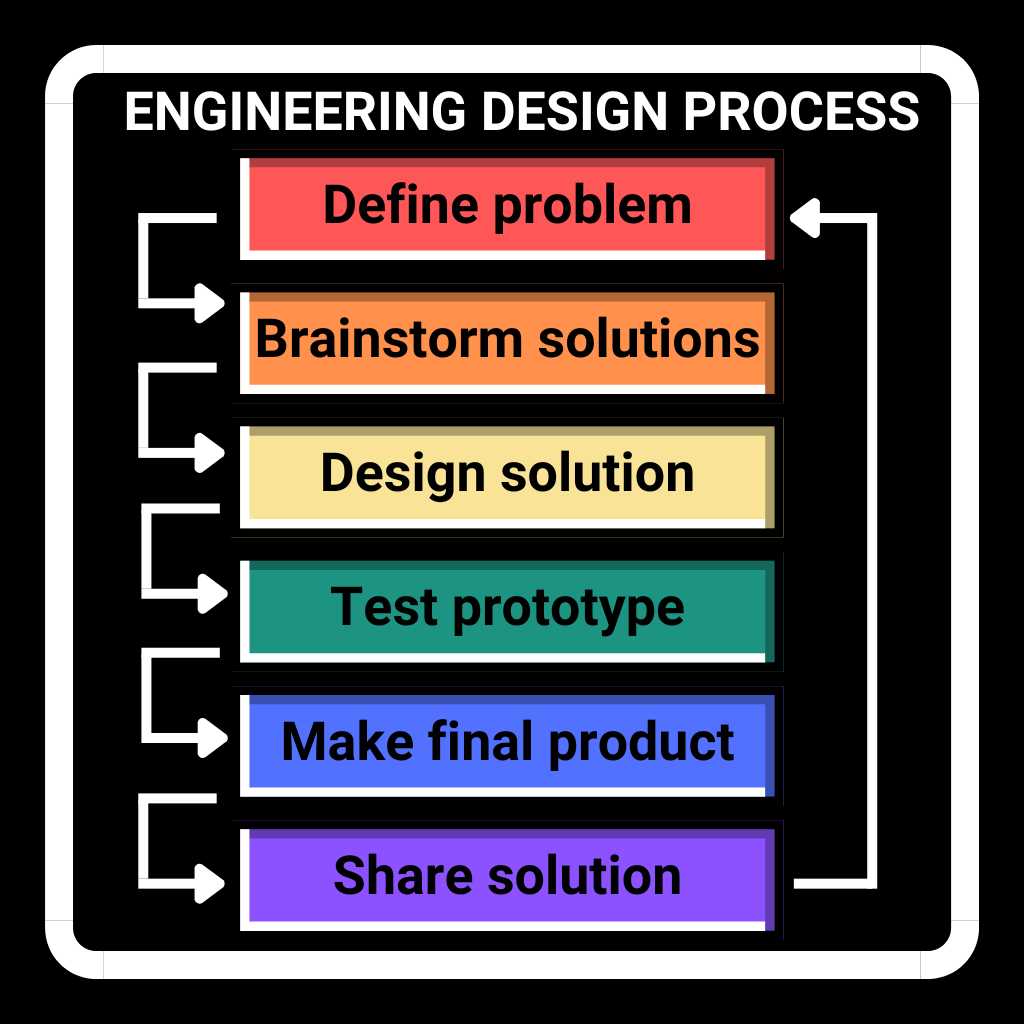 Learn the 6 steps of the engineering design process to make an effective solution to a problem, an example of the engineering process with the egg drop challenge, STEM challenges and engineering science fair projects!