Model Rocket Simulations vs. Real Flights
Hypothesis
Science Concepts Learned
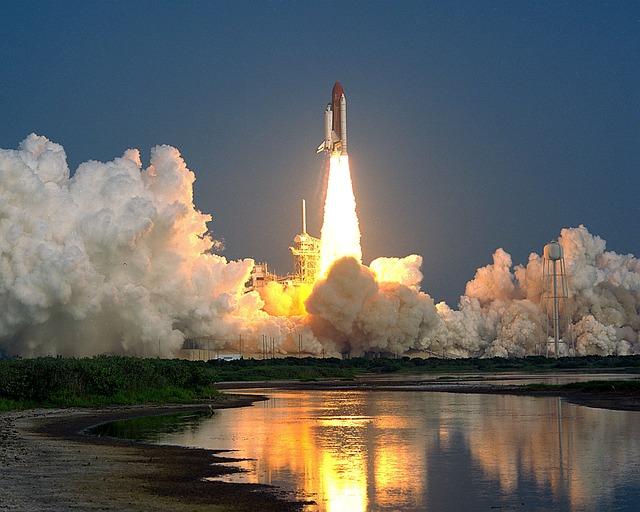
Thrust is what launches a model rocket off the pad and accelerates it skyward — but how well can math predict what actually happens? You calculate expected altitude and speed for six model rockets using physics equations that account for thrust, drag, mass, and gravity. Then you launch each one and measure the real values with altitude finders and stopwatches. The simulation predictions land within 20% of the measured results, which means a math-based model can give a reliable picture of how a rocket will fly before you ever light the engine.
A model rocket follows projectile motion once its engine burns out — gravity pulls it back down, curving its flight path and determining how high it reaches. In this project, you use physics equations that account for thrust, drag, mass, and gravity to calculate expected altitude and speed for six model rockets. Then you launch each rocket and measure its actual altitude and flight time using altitude finders and stopwatches. The simulation predictions land within 20% of the measured results, showing that math-based models can give a reliable picture of how a rocket will fly before you ever light the engine.
Method & Materials
Eureka Crate — engineering & invention kits for ages 12+ — monthly projects that build real-world skills. (Affiliate link)
See what’s includedResults
Why do this project?
Also Consider
Full project details
Additional information and source material for this project are available below.Browse by Grade
Related Science Fair Project Ideas