

62 Science Fair Projects for 6th Graders















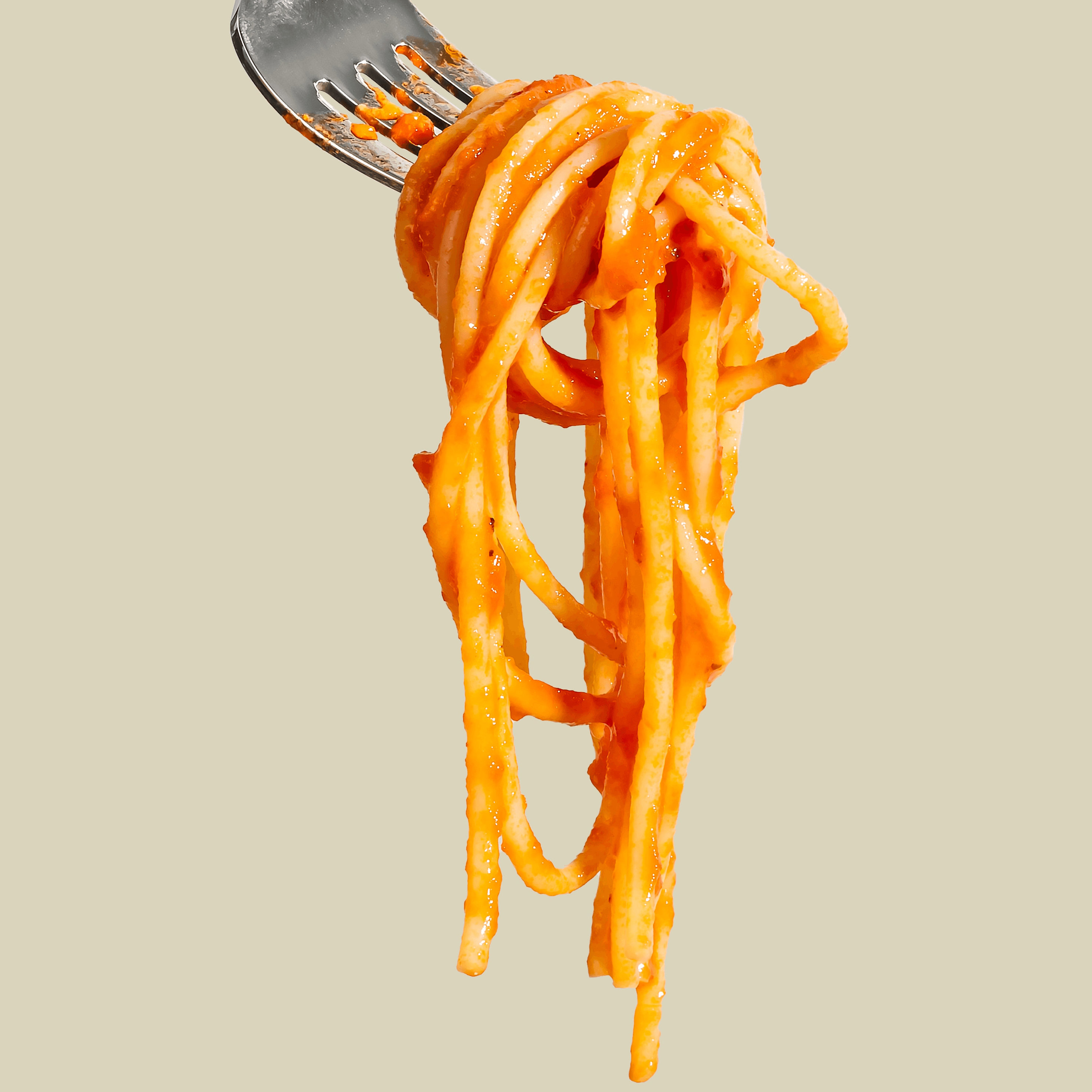
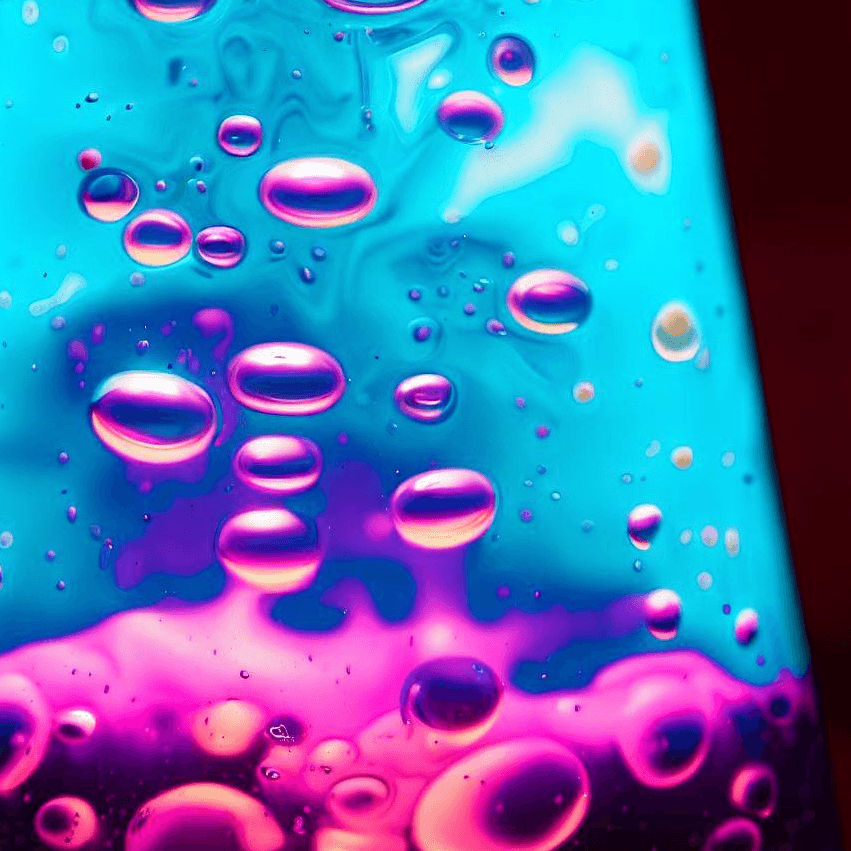
6th Grade Science Fair Project FAQ
What are some easy 6th grade science fair projects?
Each one of these science fair projects are easy for sixth grade students to set up and do!
Burn Rate of a Candle
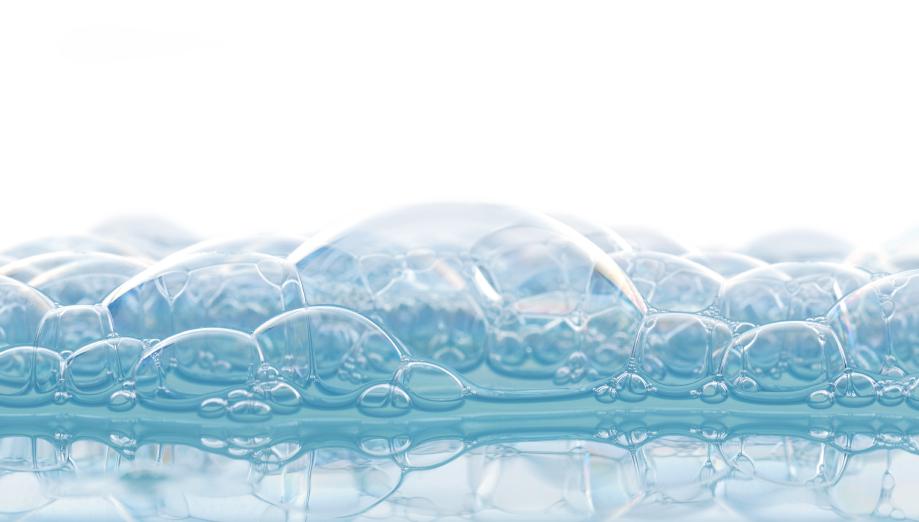
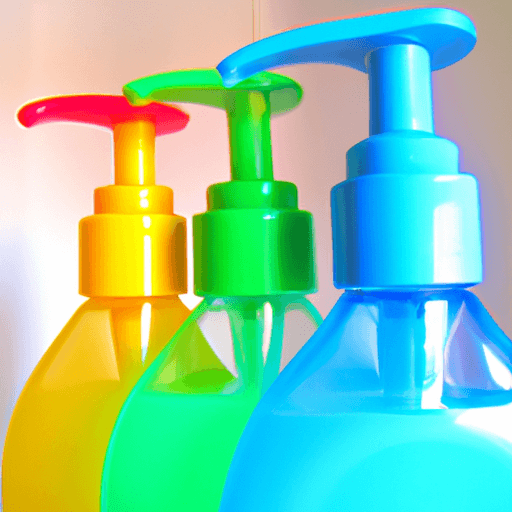
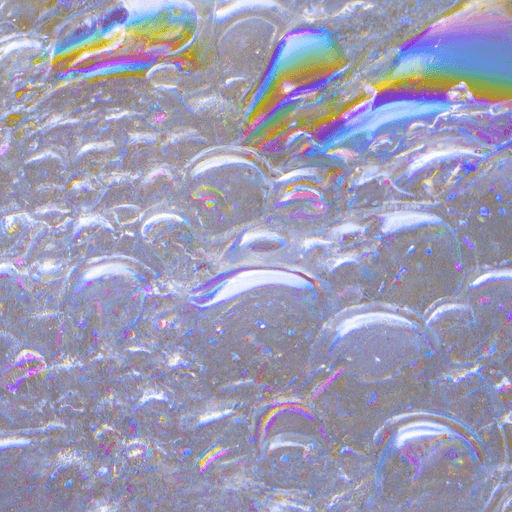
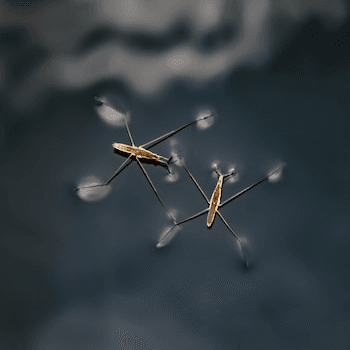
Soap and Surface Tension
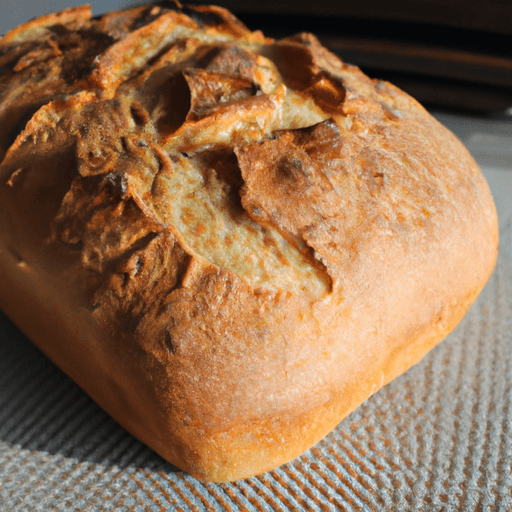
Baking with Yeast
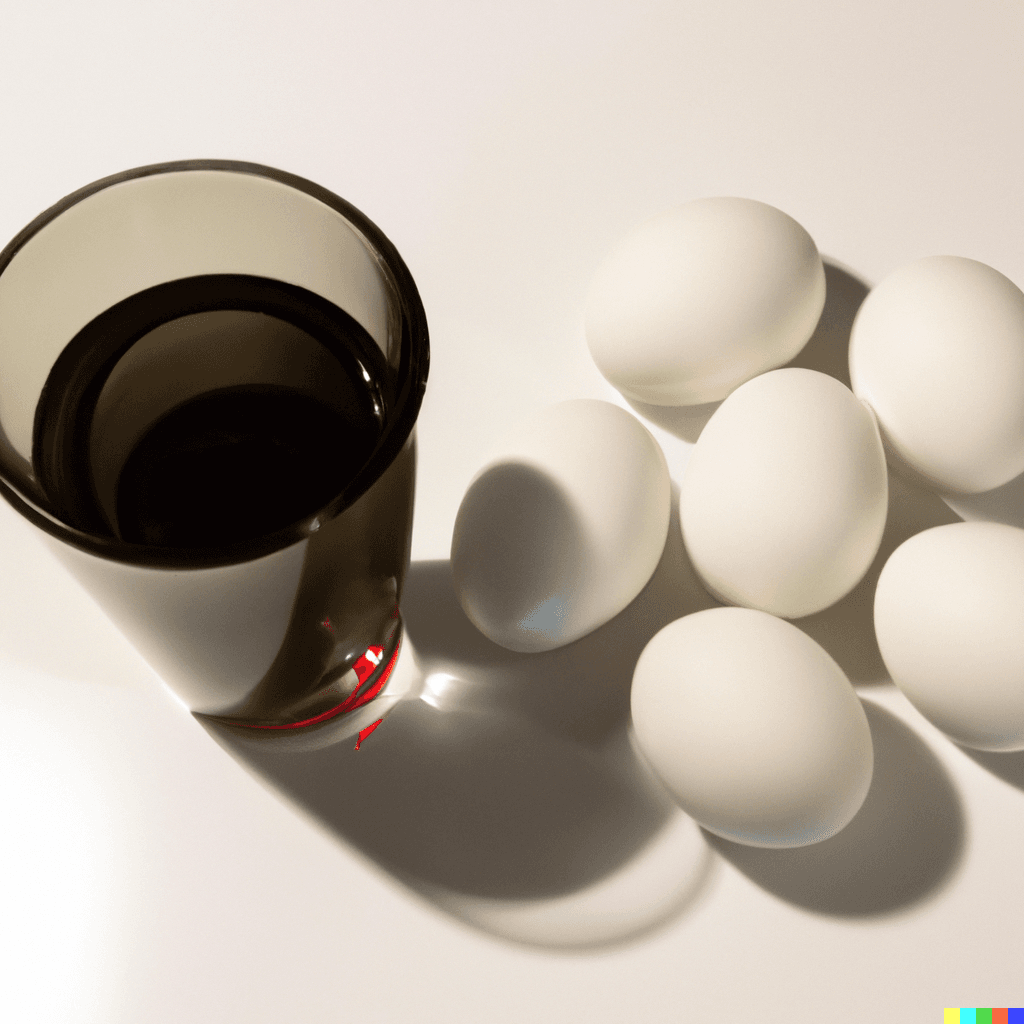
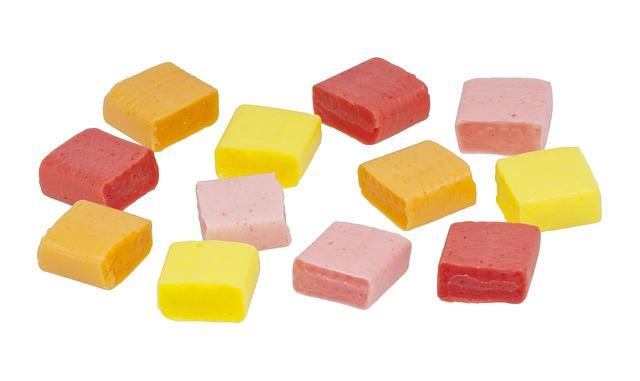
Color and Taste
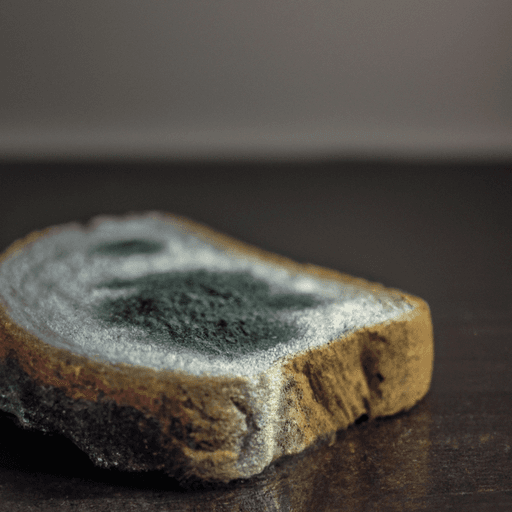
Growing Mold
Cleaning Teeth: A Science Project
Comparing Blood Pressure
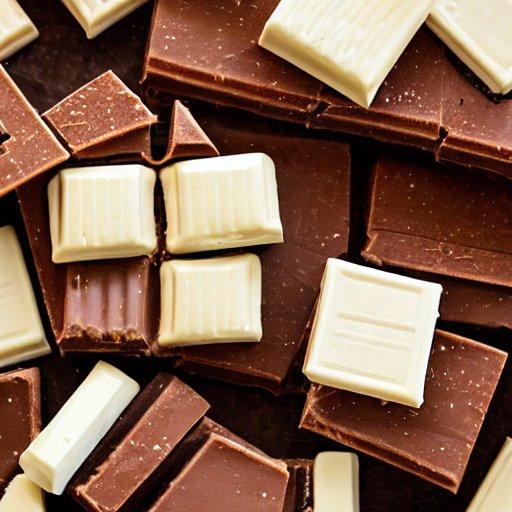
The Chocolate Rock Cycle
Uncovering Fall Colors
Making Oobleck: Liquid or Solid?
Science fair project details right above the FAQ!
What is the best 6th grade science project ever?
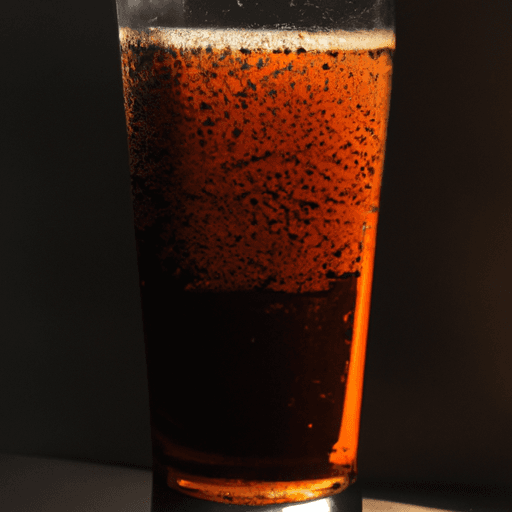
We love the Color and Taste science fair project for sixth grade students. The same flavored drink is made red, orange and purple with food coloring. When the three drinks are given to people, see what people taste! It's fascinating to see how color affects our perception of taste in this classic science experiment!
If you're looking for more 6th grade science projects, check out the 6th grade science fair projects at the top of this page!
Check out more Best Science Fair Projects →
What are some cool 6th grade science fair projects?
Get ready to be amazed by these super cool science projects for 6th graders! With just a few simple things, sixth graders will see how fun and cool science is!
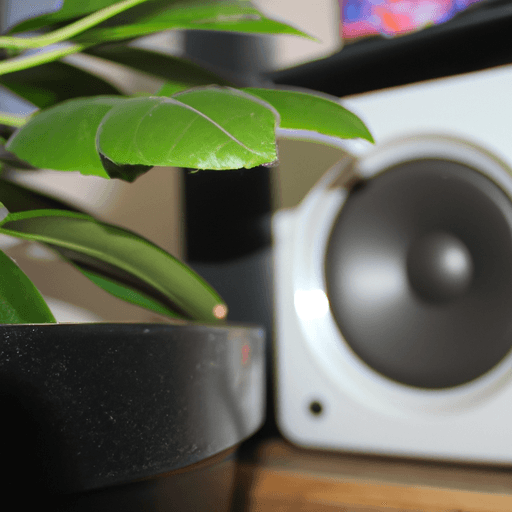
Does Music Help Plants Grow?
Dogs vs. Humans: Bacteria in the Mouth
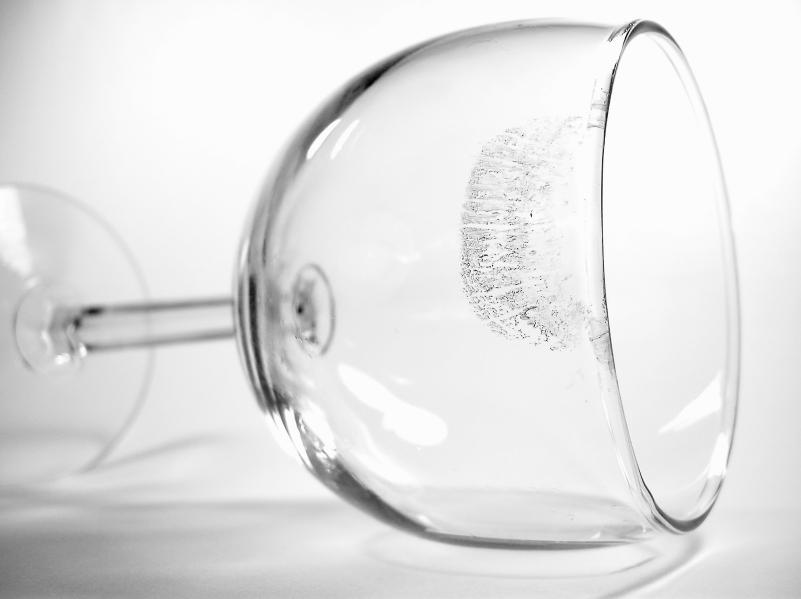
Singing Glass
Burn Rate of a Candle
Fast Food Nutrition
Soap and Surface Tension
Baking with Yeast
Cleaning teeth: A Science Project
Video Games and Blood Pressure
Moisturizer Test
Science fair project details right above the FAQ!
What are 5 testable questions for 6th grade?
A testable question is a question that we can answer through a science experiment. To do this, we do a control science experiment, then we change one thing in the experiment to see how it affects what happens. This is how we can discover the answer to our question!
What makes a cloud form?
Can drink and food taste different just by changing its color?
Does the color of light affect photosynthesis?
Does temperature affect seed sprouting?
What makes popcorn pop?
Here are more testable questions along with their science projects →
What are the top 10 science projects for 6th grade?
These are our top 10 science projects for 6th grade, with projects covering biology, chemistry, physics, medicine and health. These projects can be used as science fair project ideas or as a fun experiment to explore different areas of science!
Dogs vs. Humans: Bacteria in the Mouth
Burn Rate of a Candle
Fast Food Nutrition
Soap and Surface Tension
Does Music Help Plants Grow?
Baking with Yeast
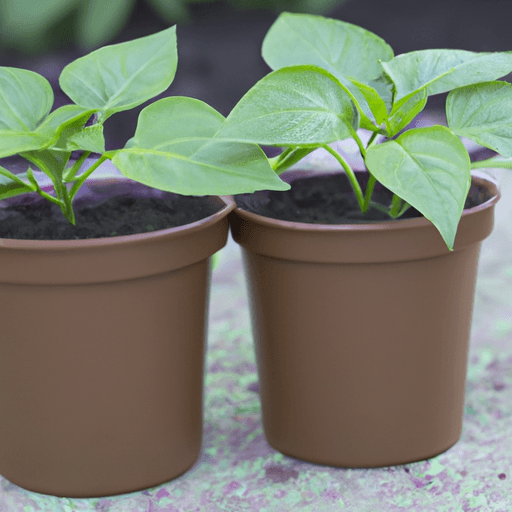
Plant Growth: Hydroponics vs. Soil
Singing Glass
Moisturizer Test
The Chocolate Rock Cycle
Science project details above the FAQ!
Can I do a 6th grade science fair project in a day?
Yes! Quick experiments can be a great option for a science fair project! If you want to explore quick reactions, we have science project ideas on various topics to get you started.
Acids and bases: Test different fluids to see if they are an acid or a base!
Learn how to make your own acid/base indicator using red cabbage and use it to test different fluids! Make Your Own PH Indicator
Chromatography reactions: Separate out colors!
Have you ever wondered why leaves change color in the fall? Let's find out by using chromatography to separate the colors of a green leaf! Uncovering Fall Colors
Heat reactions: Heat speeds things up!
Ever wondered if a balloon filled with water can withstand fire? Fire-Resistant Balloons
What are some hands-on ways to find inspiration for my science fair project?
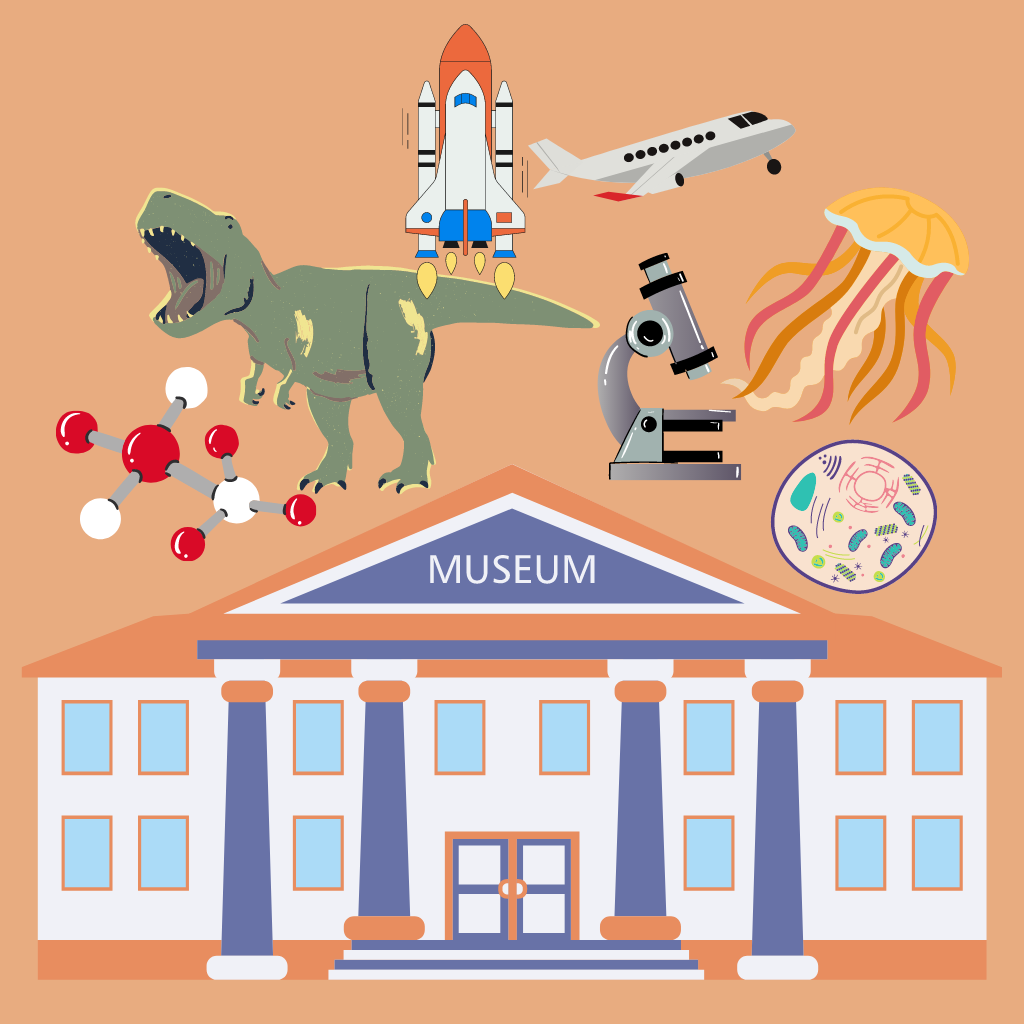 Science museums are great places to explore if you're looking for inspiration for your next science fair project or just want to learn more about science. Science museums, natural history museums, space museums, and discovery museums are all great places to do that! You can discover all sorts of interesting things about science and find cool project ideas for science fairs.
There may be free admission days or free passes to a science museum near you! Check your local library for free museum passes, nearby science museums for free entrance days and your credit card for offers.
Find a science museum near you and prepare to be awed by all that you can learn there! I always learn something new and am inspired whenever I go to a science museum!
How do I start a science fair project?
 Science fair projects are a fun and unique way to discover science by asking a question and doing a science project. We'll help you find a science fair project idea and guide you through the process of doing and presenting your science fair project with Science Fair Coach's Science Fair Project Guide.
What should I do after I have a science fair project idea?
 If you have a science fair project idea, Science Fair Coach can help you turn it into a full science fair project! Starting at Introduction to Science Fairs, we'll guide you through how to do a science fair project, from designing and conducting your experiment to collecting and analyzing your findings. Then, we'll help you showcase your results on a science fair board with our Guide to Science Fair Posters.
How do I make a science fair board?
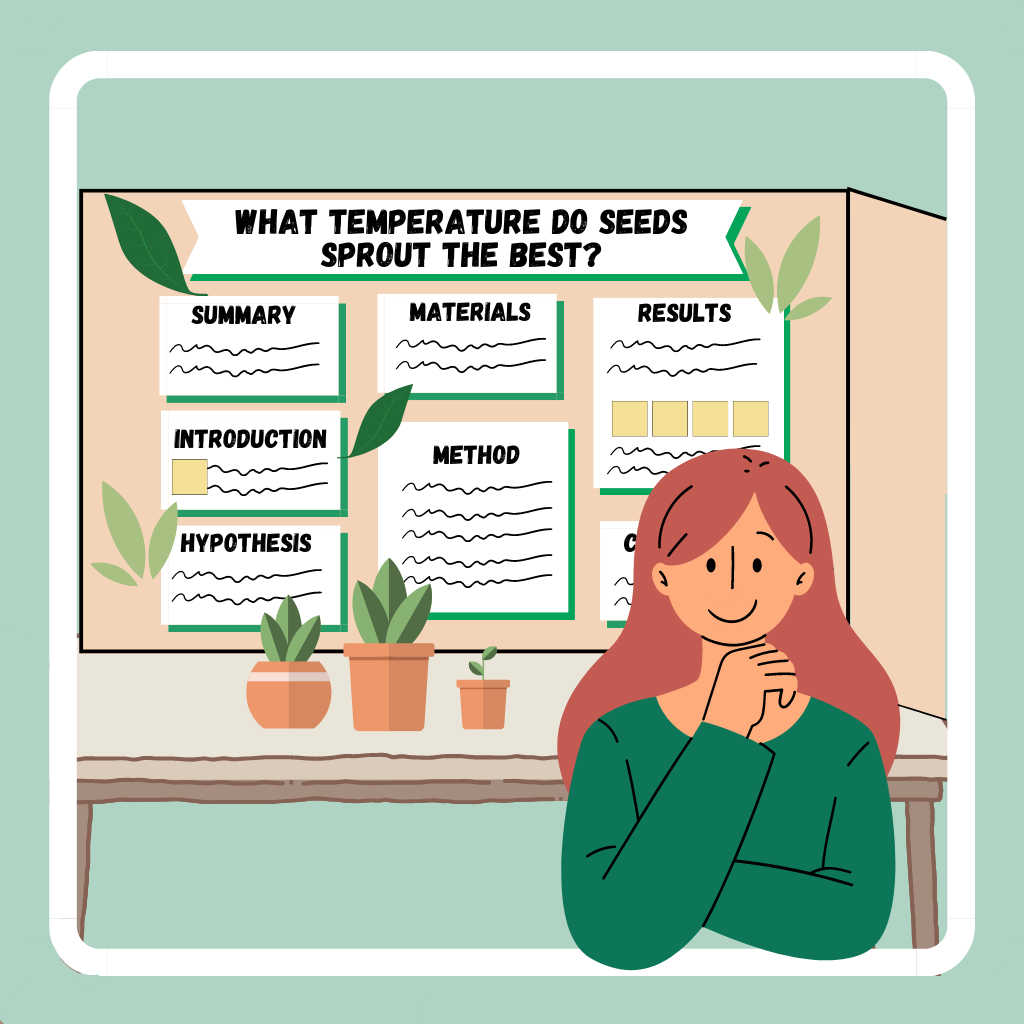 Your science fair board is where you show off your science fair project for everyone to see and learn from. With our Guide to Science Fair Posters, you can make sure your science fair board stands out and impresses at the science fair!
What is the scientific method?
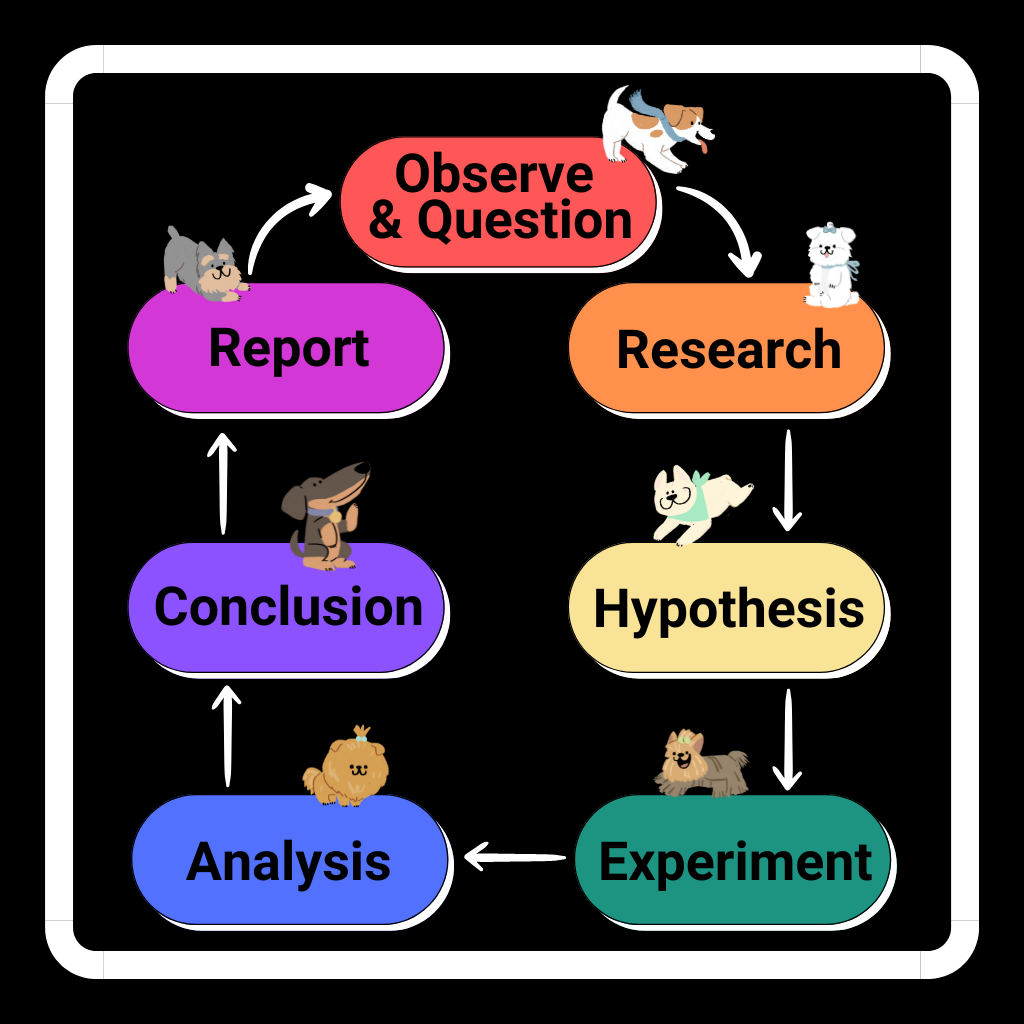 The 7 steps of the scientific method helps us understand how nature works. Learn how the scientific method is used in a science fair project example, and how it's evolved through history as scientists used different ways to learn about nature with our Guide to the Scientific Method!
What is the engineering design process?
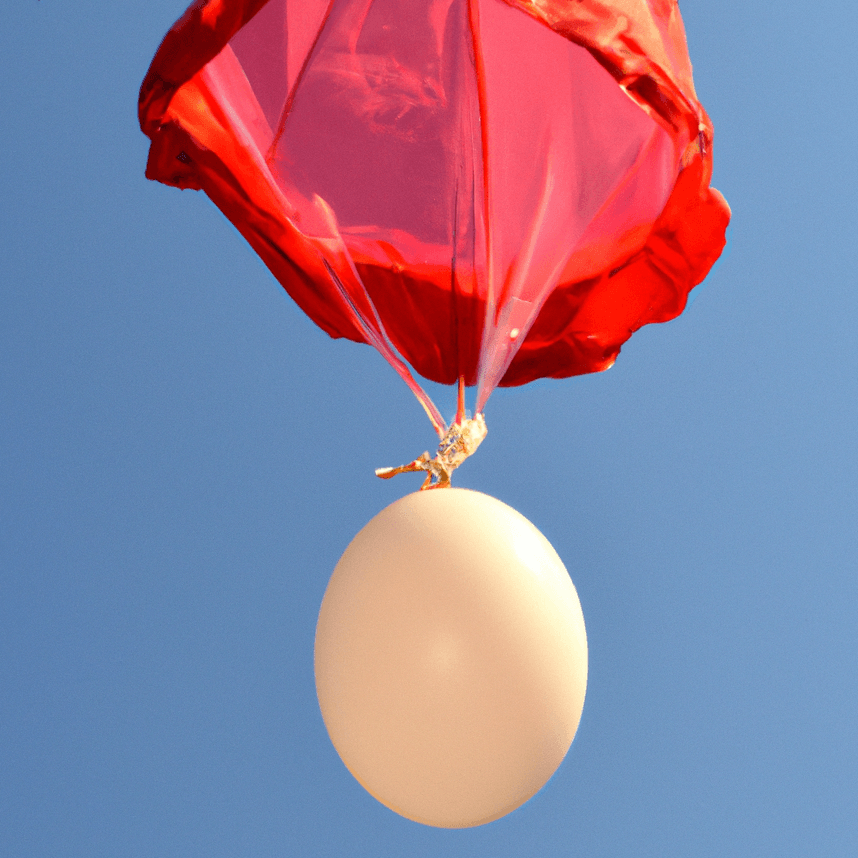
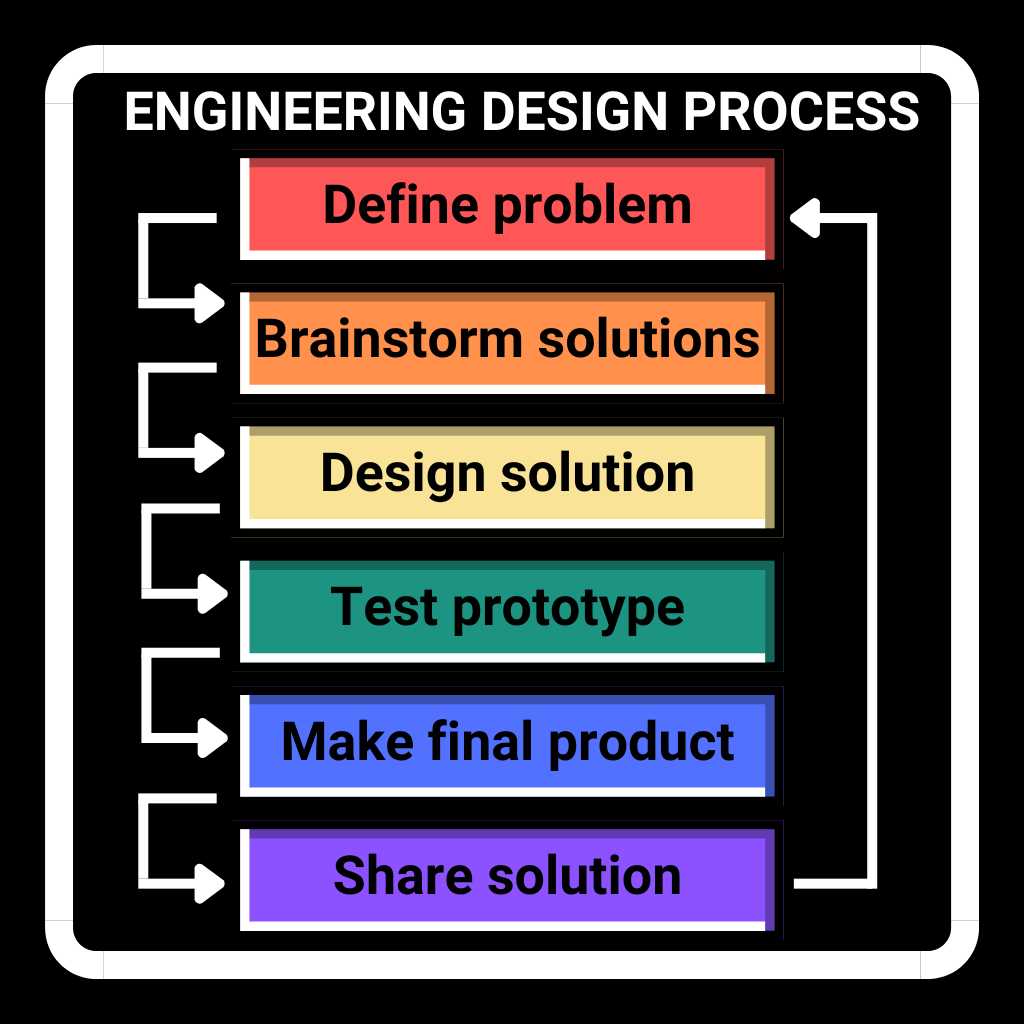 The 6 steps of the engineering design process helps us design an effective solution to a problem. Learn how to use the engineering design process with the example of the egg drop challenge in our Guide to the Engineering Design Process!
Where can I find a science fair competition?
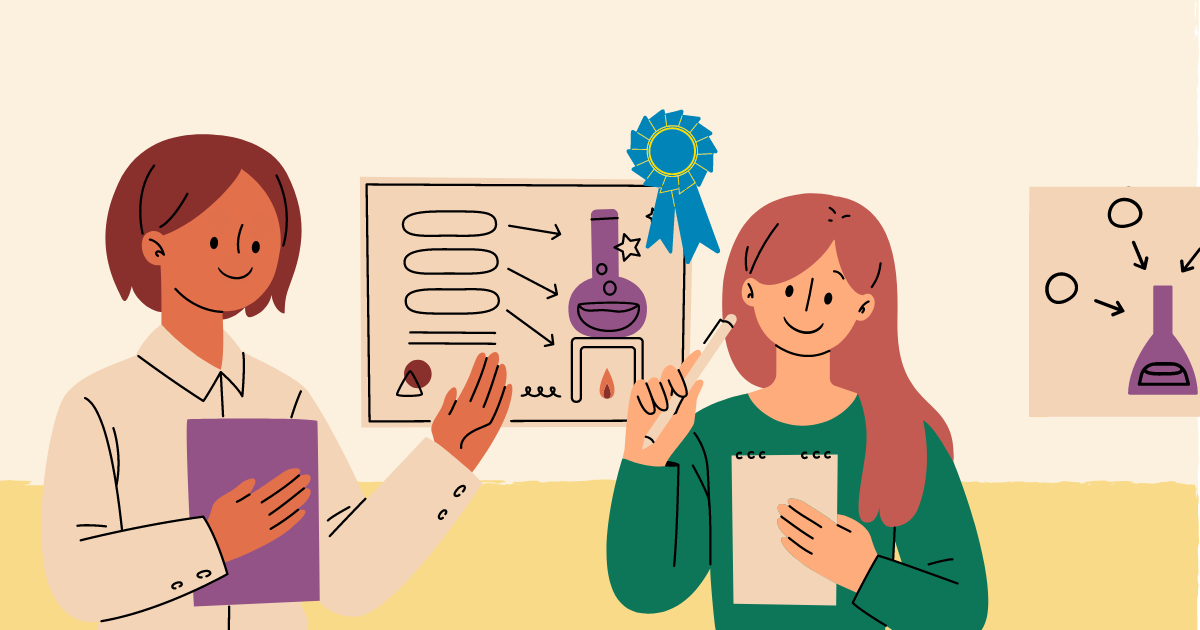 Science fair competitions are an excellent opportunity to explore science. One of the of the premier science advocacy organizations, the Society for Science, is associated with more than 400 science fair competitions in almost every US state, as well as over 70 other countries, regions, and territories. You can find out if there's a Society of Science affiliated science fair near you!
The www Virtual Library: Science Fairs website also has a collection of science fairs from all over the world, as well as national, state, regional, local, and virtual competitions!