

62 Science Fair Projects for 4th Graders








4th Grade Science Project FAQ
What are some easy 4th grade science fair projects?
Explore these fascinating 4th grade science experiments that are not only easy to do but also make science fun! Get ready to be wowed while discovering important scientific concepts!
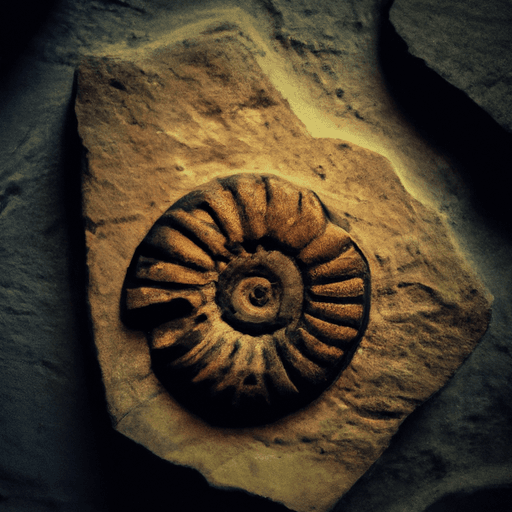
Sinking Through Water
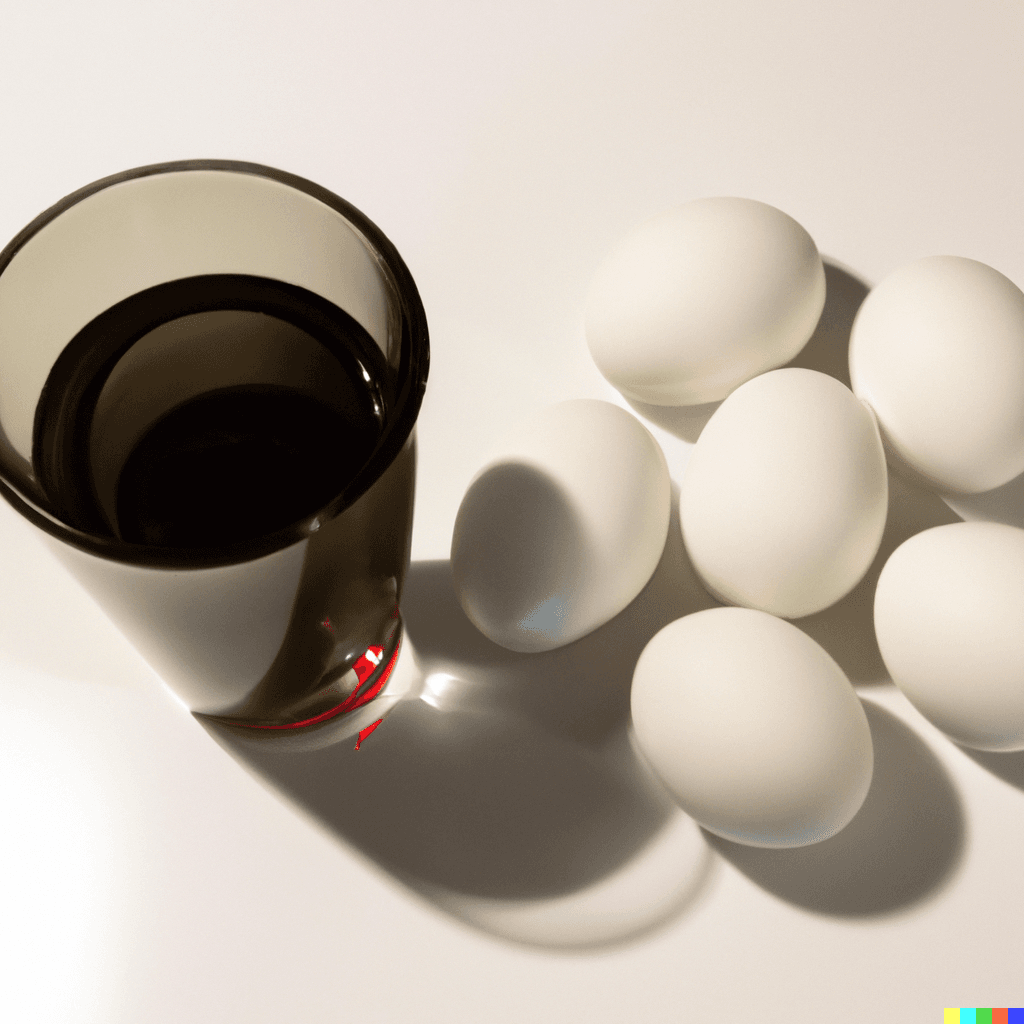
Egg with Vinegar
Does Milk Help Plants Grow?
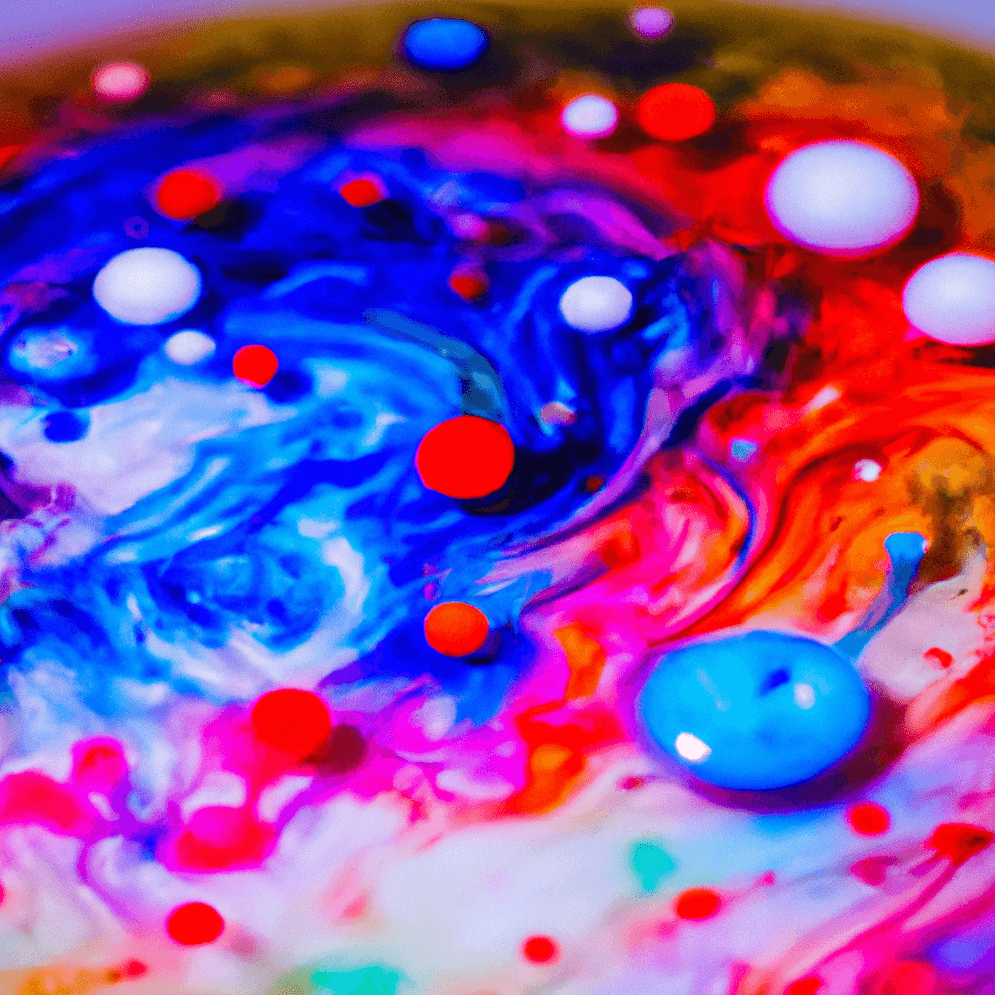
Magic Milk Painting
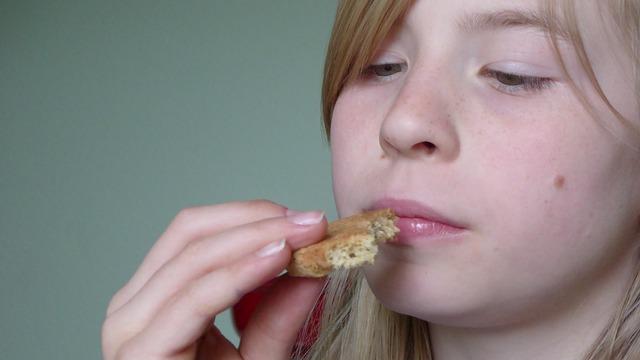
Breakfast and School Performance
Plant Growth and Water
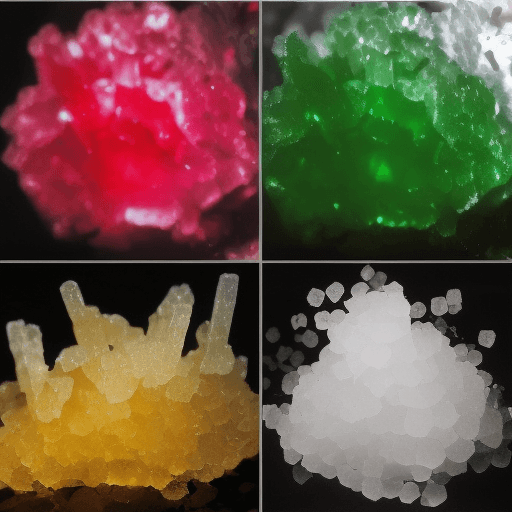
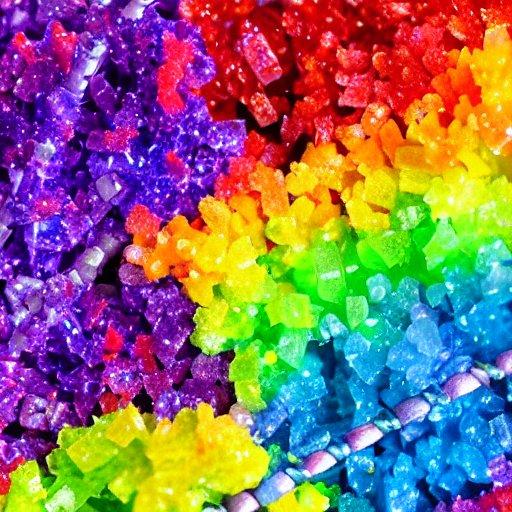
Sparkling Rainbow Crystal
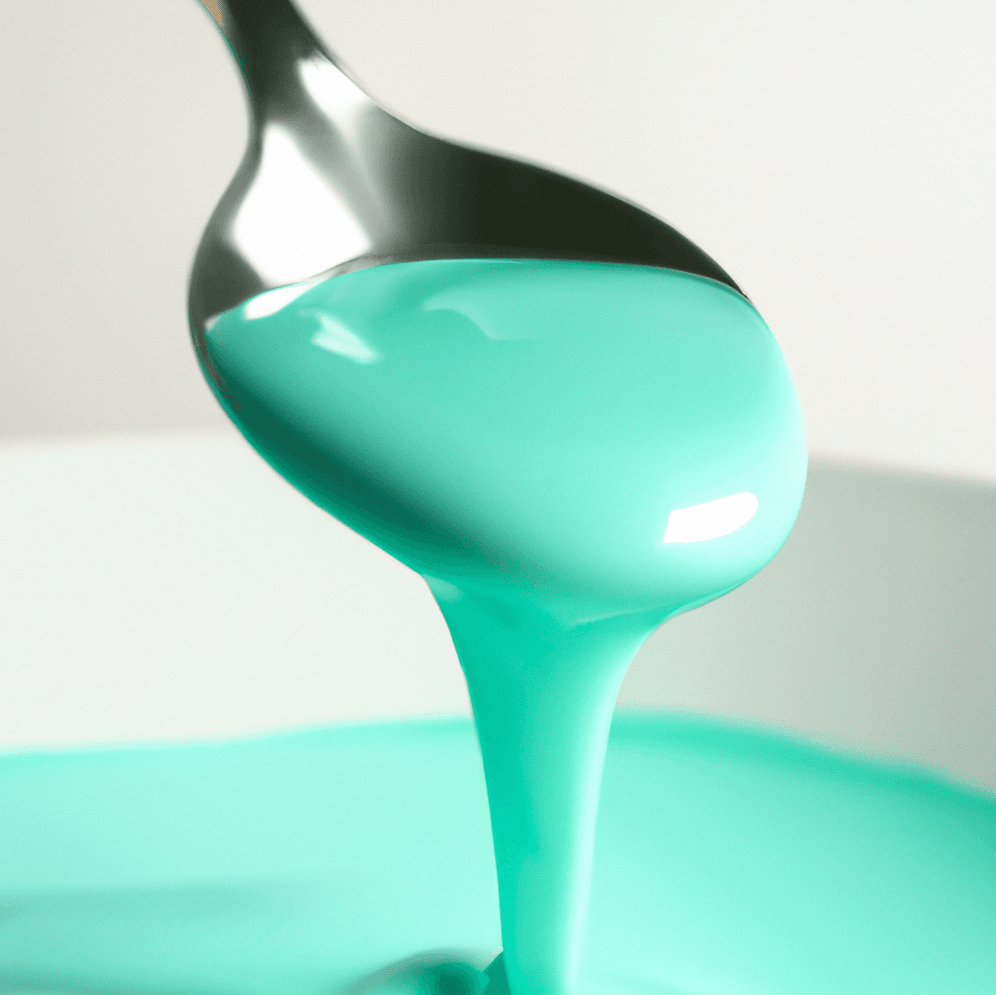
Plastic Milk
Does Dog Saliva Kill Bacteria?
Super Hero Egg Shells
Science fair project details right above the FAQ!
What is the best 4th grade science fair project ever?
We love the Plastic Milk science project for 4th graders. Turning milk into plastic may seem like a magic trick, but it's a classic experiment that demonstrates how heat and acid can make milk plastic-like! Young scientists will learn about the precipitation of solids and the chemical reaction between acids and bases from this cool experiment! Check out the videos to see how to make lego figures or glue from this science experiment!
Check out more Best Science Fair Projects →
What are some cool 4th grade science projects?
Get ready to be amazed by these super cool fourth grade science experiments! Choose a science experiment that catches your interest, and with just a few simple materials, you'll discover how awesome and fun science can be!
Create a Tornado in a Bottle
Plastic Milk
Egg with Vinegar
Does Dog Saliva Kill Bacteria?
Super Hero Egg Shells
Magic Milk Painting
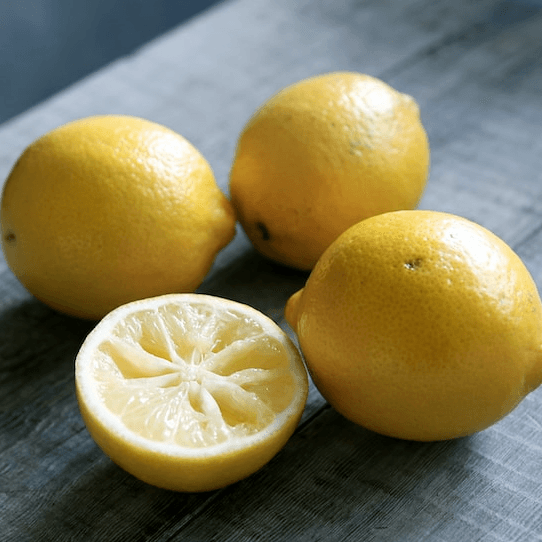
Electrifying Lemon Battery
Making Oobleck: Liquid or Solid?
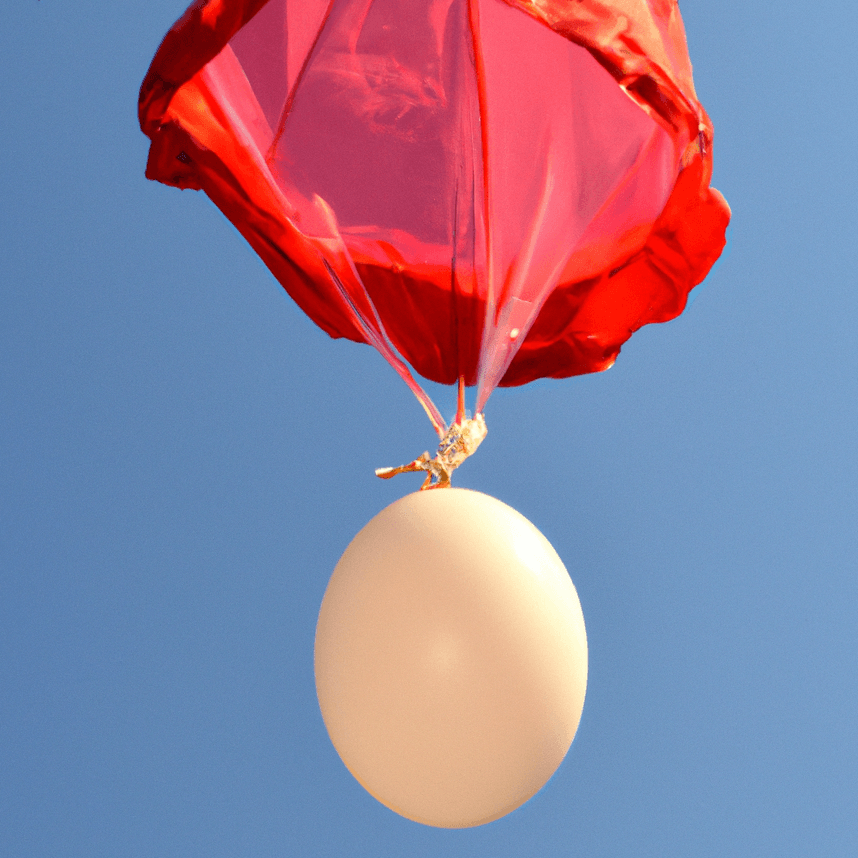
Egg Drop Project
Colors of Skittles Experiment
Cloud in a Bottle
Science fair project details at the top of the page.
What are 5 testable questions for 4th grade?
A testable question is a question that we can answer through a science experiment. To do this, we do a control science experiment, then we change one thing in the experiment to see how it affects the result. This is how we can discover the answer to our question!
Explore science projects with these testable questions for fourth graders (find the projects at the top of this page):
What makes a cloud form?
Can drink and food taste different just by changing its color?
Does the color of light affect photosynthesis?
Does temperature affect seed sprouting?
What makes popcorn pop?
Here are more testable questions along with their science projects →
What are the top 10 science projects for 4th grade?
We've handpicked these top 10 science projects for 4th grade which dive into biology, chemistry and physics science experiments. Whether you're looking for a fun experiment or aiming to do an awesome science fair project, these science projects have got you covered!
Plastic Milk
Egg with Vinegar
Create a Tornado in a Bottle
Shrimp Habitat Preferences
Breakfast and School Performance
Exploring the Relativity of Time
Plant Growth and Water
Does Dog Saliva Kill Bacteria?
Sinking Through Water
Super Hero Egg Shells
Science project details at the top of the page!
Can I do a 4th grade science fair project in a day?
Absolutely! Quick experiments using simple materials that you can find at home are an excellent choice for a one-day science fair project! It's ideal to do a simple science project with a fast chemical reaction, like the following projects.
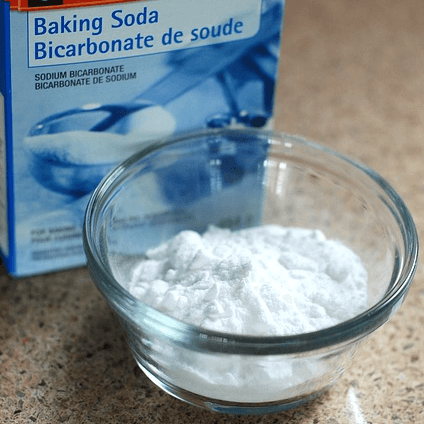
Acid-base reactions: Mixing acids with bases quickly makes carbon dioxide gas!
Make a rocket fly sky high with just baking soda and vinegar! Rocket Film Canisters
Learn how to make your own acid/base indicator using red cabbage and use it to test different fluids! Make Your Own pH Indicator
Chromatography reactions: Separate out colors!
Did you know that some Skittles have a secret rainbow hiding inside them? Colors of Skittles Experiment
Have you ever wondered why leaves change color in the fall? Let's find out by using chromatography to separate the colors of a green leaf! Uncovering Fall Colors
Heat reactions: Heat speeds things up!
Do you want to find out which color candle burns the fastest? Which Candle Burns the Fastest?
What are some hands-on ways to find inspiration for my science fair project?
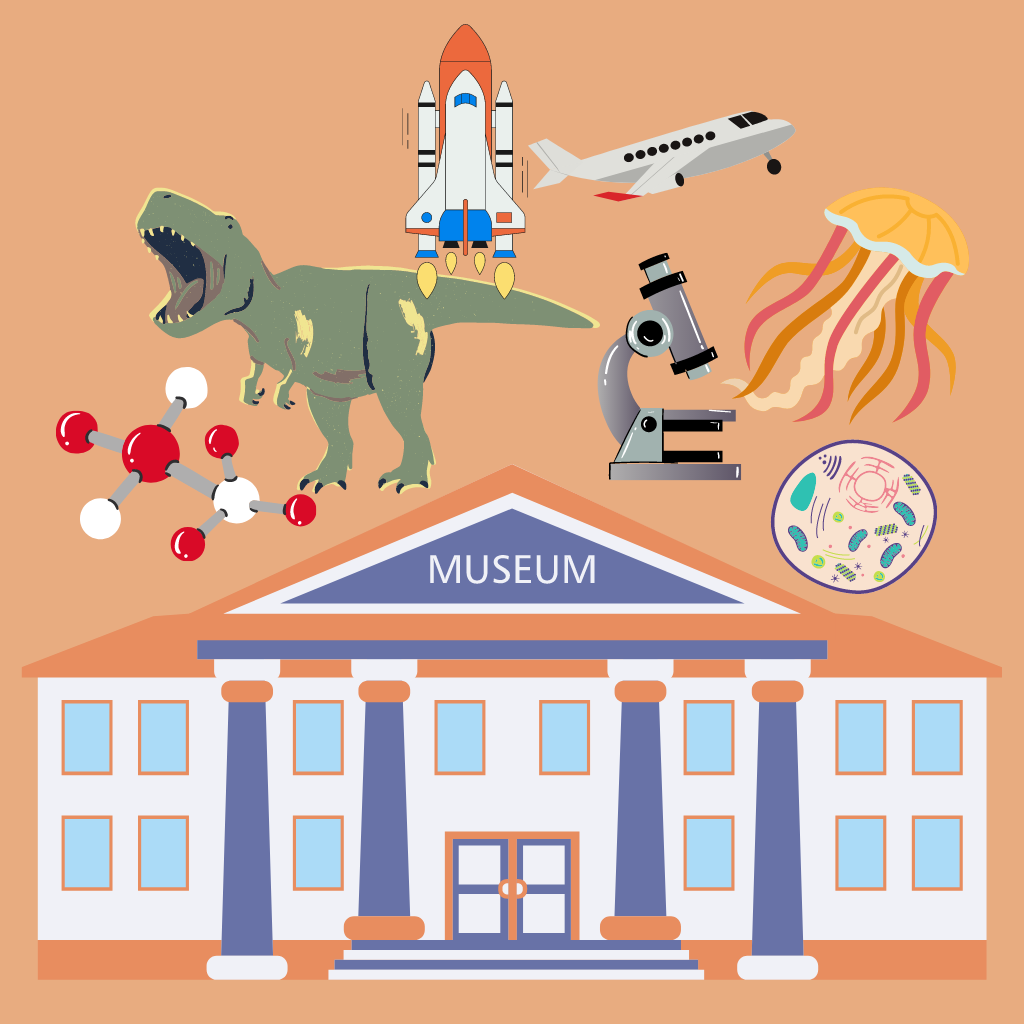 Science museums are great places to explore if you're looking for inspiration for your next science fair project or just want to learn more about science. Science museums, natural history museums, space museums, and discovery museums are all great places to do that! You can discover all sorts of interesting things about science and find cool project ideas for science fairs.
There may be free admission days or free passes to a science museum near you! Check your local library for free museum passes, nearby science museums for free entrance days and your credit card for offers.
Find a science museum near you and prepare to be awed by all that you can learn there! I always learn something new and am inspired whenever I go to a science museum!
How do I start a science fair project?
 Science fair projects are a fun and unique way to discover science by asking a question and doing a science project. We'll help you find a science fair project idea and guide you through the process of doing and presenting your science fair project with Science Fair Coach's Science Fair Project Guide.
What should I do after I have a science fair project idea?
 If you have a science fair project idea, Science Fair Coach can help you turn it into a full science fair project! Starting at Introduction to Science Fairs, we'll guide you through how to do a science fair project, from designing and conducting your experiment to collecting and analyzing your findings. Then, we'll help you showcase your results on a science fair board with our Guide to Science Fair Posters.
How do I make a science fair board?
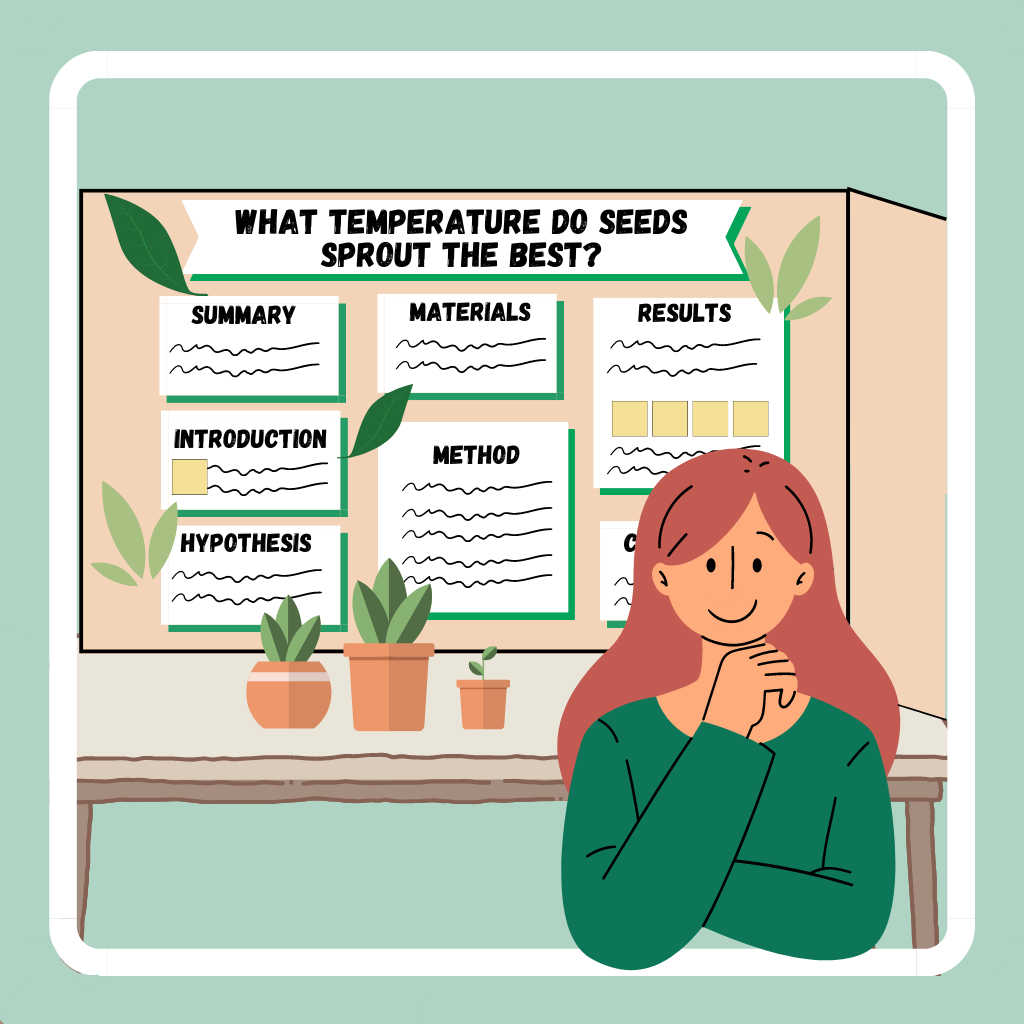 Your science fair board is where you show off your science fair project for everyone to see and learn from. With our Guide to Science Fair Posters, you can make sure your science fair board stands out and impresses at the science fair!
What is the scientific method?
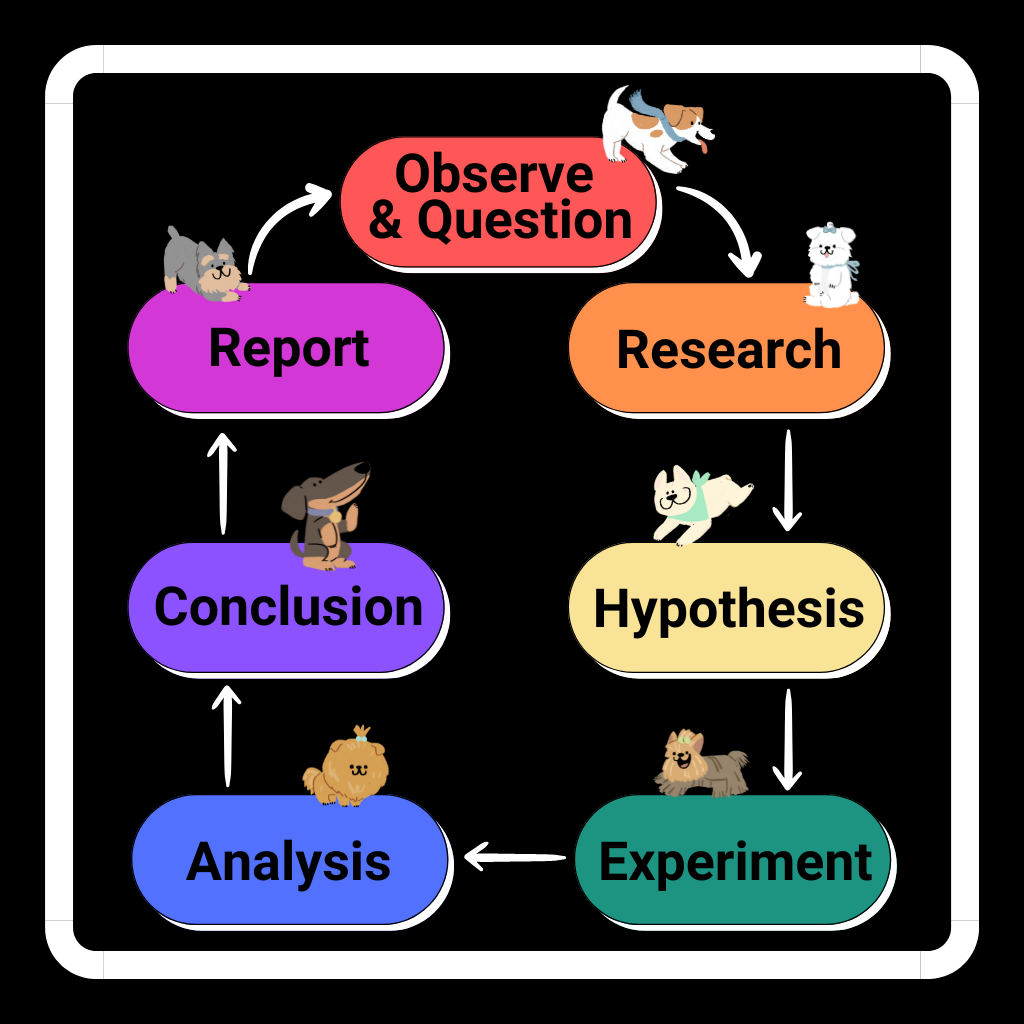 The 7 steps of the scientific method helps us understand how nature works. Learn how the scientific method is used in a science fair project example, and how it's evolved through history as scientists used different ways to learn about nature with our Guide to the Scientific Method!
What is the engineering design process?
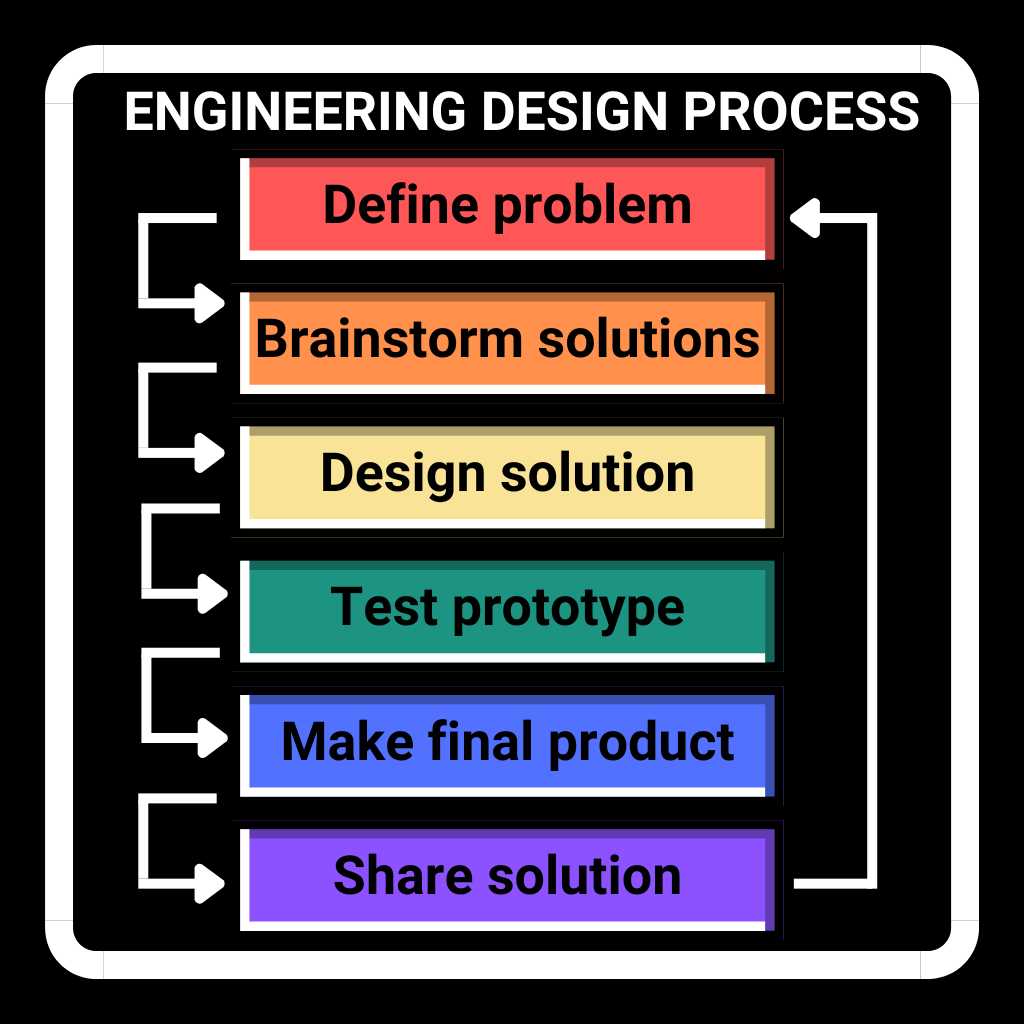 The 6 steps of the engineering design process helps us design an effective solution to a problem. Learn how to use the engineering design process with the example of the egg drop challenge in our Guide to the Engineering Design Process!
Where can I find a science fair competition?
 Science fair competitions are an excellent opportunity to explore science. One of the of the premier science advocacy organizations, the Society for Science, is associated with more than 400 science fair competitions in almost every US state, as well as over 70 other countries, regions, and territories. You can find out if there's a Society of Science affiliated science fair near you!
The www Virtual Library: Science Fairs website also has a collection of science fairs from all over the world, as well as national, state, regional, local, and virtual competitions!