Search for Science Fair Projects

1000 Science Fair Projects with Complete Instructions

Electricity Science Fair Project

Lemon-Powered LED Light
Easy
Lemon-Powered LED Light | Science Fair Projects | STEM Projects
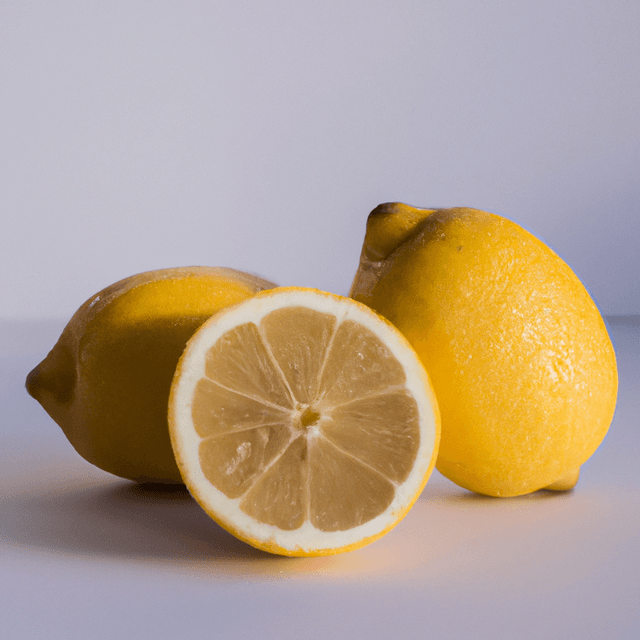
Can a lemon produce enough electricity to light up an LED? A lemon contains citric acid, which can carry an electric charge between two different metals. This is the same basic idea behind commercial batteries. You push two different metal pieces into a lemon to create a simple battery. The acid reacts with each metal differently. This creates a flow of electrons (tiny charged particles that make up electricity). Connect your lemon battery to a small LED and see whether the current is strong enough to make it glow.

Hypothesis

The hypothesis is that a lemon can be used to make a battery that produces enough electricity to light up a small LED light.

Method & Materials

You will use a lemon, a penny or copper wire, a galvanized nail or zinc strip, and some alligator wires to create your lemon battery. After setting up the battery, you will connect the wires to a small light bulb to see if it lights up. You can even test the voltage with a voltmeter.
You will need a lemon, paper towels, a penny or copper wire, a galvanized nail or zinc strip, alligator wires, and small LED light bulbs.

Results

In this experiment, a battery was made using a lemon and was able to power a small light bulb. It also shows how alternative sources of energy can be used to power small devices.

Why do this project?

The lemon battery shows how electricity can be generated by chemical reactions. It's fascinating to see how normal everyday items are able to generate electricity to light up the LED light!

Also Consider

Try using different fruits or vegetables as the electrolyte solution to see which produces the most electricity. Test different metals as the electrodes to determine which combinations create the most powerful battery.

Full project details

Additional information and source material for this project are available below.

Related videos

These videos explain the science behind this project and demonstrate key concepts used in the experiment.
Learn how to calculate how many lemons you need to power an LED light bulb in this fun and easy experiment! Follow along with the video and pick up some helpful tips along the way!
Get ready for an exciting twist on the classic lemon battery experiment! Crazy Aunt Lindsey is here to show you how to use copper and steel wires and even a grapefruit to make your lemon battery even more powerful!
Did you know that 2,923 lemons were used to create a battery that produced 2,307.8 volts, breaking the Guinness World Record for the highest voltage from a fruit battery on October 15, 2021? This amazing experiment shows us the possibilities to use chemistry to create clean energy!
Share this Science Project:

Related Science Fair Project Ideas

Miniature Lightning from Static Charge
Rub styrofoam with a wool sock and touch an aluminum pie plate to create a visible spark in the dark.
Easy
Static Electricity and Jumping Cereal
Rub a plexiglass plate with wool and watch Rice Krispies leap off the table and stick to the charged surface.
Easy
Wire Current and Compass Deflection
Touch a wire to a battery near a compass and watch the needle swing as electricity creates a magnetic field.
Easy
Share this Science Project: