

Planet Layers in a Bottle
Medium
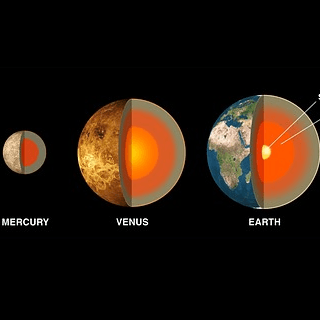
Why do planets have layers like a core and a crust? Materials with different densities settle into layers over time. You can see this process by filling a plastic bottle with liquids and solids of varying weight.
Shake the bottle and watch everything mix together. Then set it down and observe the layers form as heavier materials sink and lighter ones float. This is similar to how rocky planets formed their layered structure billions of years ago.
Hypothesis
The hypothesis of this experiment is that different materials with varying densities will settle into distinct layers when mixed together, simulating the process of planetary differentiation.
Science Concepts Learned
Planetary Differentiation
Planets form layers for the same reason a shaken bottle settles into distinct bands: density. Heavy materials sink and light materials rise. Fill a plastic bottle with liquids and solids of varying weight. Shake everything together, then set it down and watch. Heavier materials sink while lighter ones float, forming distinct layers. Rocky planets formed their layered structure billions of years ago through the same self-sorting process.
Method & Materials
You will create a model of a terrestrial planet using a plastic bottle and various materials of different densities. The materials will be layered to represent the layers within a planet, and then the bottle will be shaken to simulate the process of differentiation.
You will need a clean plastic bottle without a label, markers, rulers, various materials such as fish gravel, marbles, straws, plastic beads, wooden beads, Legos, and light-colored, non-toxic liquids of different densities such as cooking oil, syrup, corn syrup, and water, as well as a Planetary Interior Data Table (in the Learn More Project Page link).
MEL Physics — hands-on physics experiment kits delivered monthly — real experiments, not just reading. (Affiliate link)
See what’s includedResults
Through this experiment, students were able to create models of terrestrial planets and simulate the process of planetary differentiation. One observation that stood out was how the different materials settled into distinct layers, reflecting the natural conditions and processes of planetary formation.
Why do this project?
This science project is interesting and unique because it allows students to take an active role in modeling the formation of planets, and provides a hands-on experience that helps to reinforce scientific concepts.
Also Consider
Experiment variations to consider include using different materials to create the layers, such as sand or clay, or exploring how temperature affects the process of differentiation by heating up the materials before layering them in the bottle.
Full project details
Additional information and source material for this project are available below.Related video
These videos explain the science behind this project and demonstrate key concepts used in the experiment.
Learn about the different density of materials that make up Earth, and how it can be demonstrated in a bottle!
Share this Science Project:
Browse by Grade
Related Science Fair Project Ideas
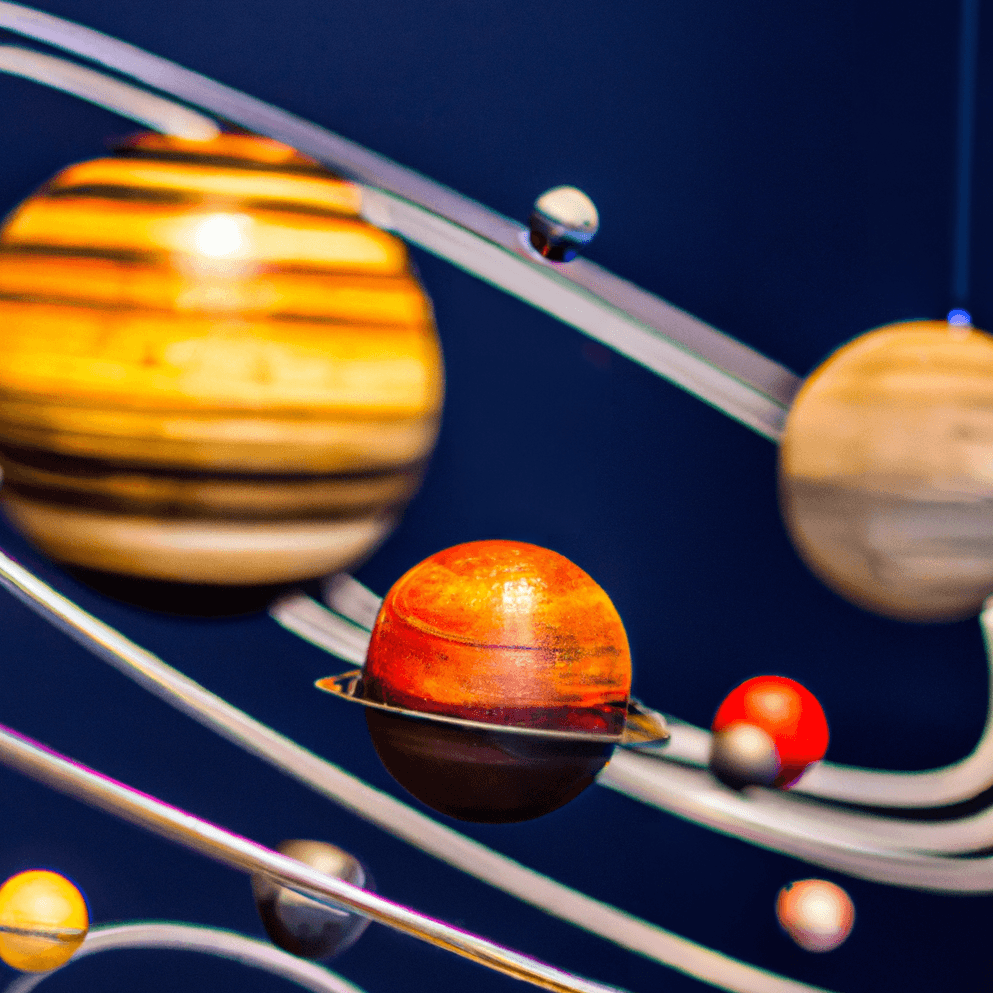
Shrink the solar system to sidewalk size and discover how surprisingly far apart the planets really are.
Medium
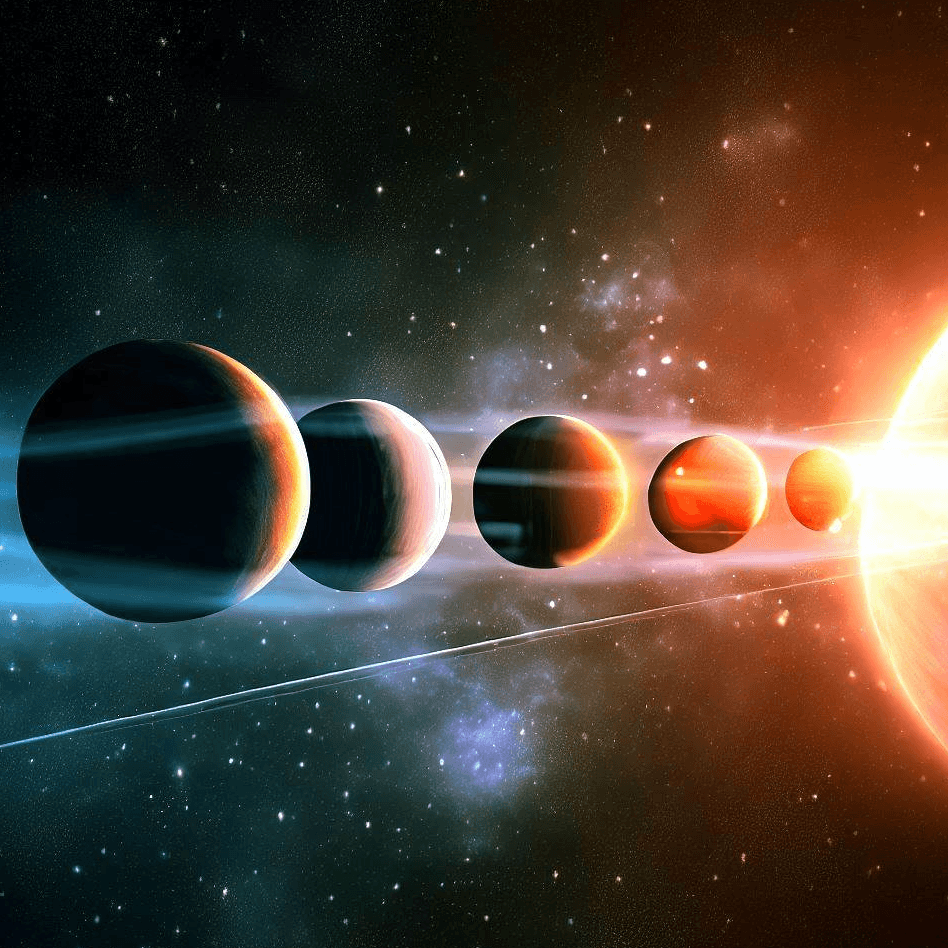
Fold a strip of paper into a pocket-sized model that shows the real distances between the Sun and each planet.
Medium

Sweep a magnet through roof gutter water, rinse outdoor leaves, and collect rain to find tiny rock fragments from outer space under a microscope.
Medium
Share this Science Project: