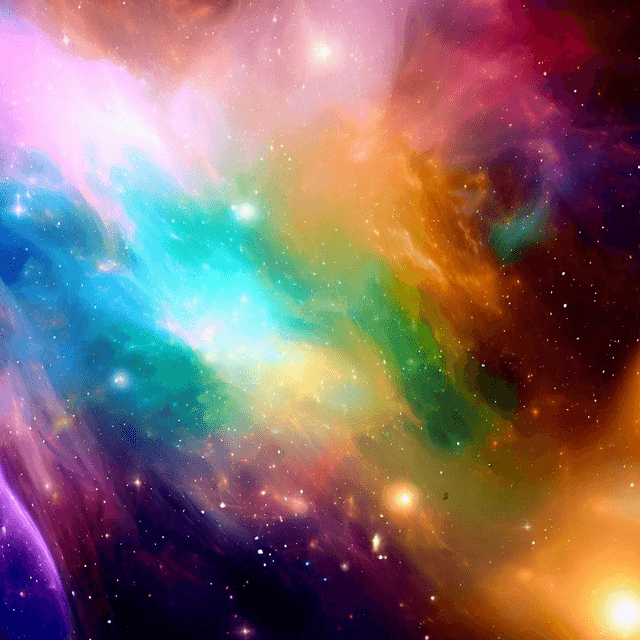
Does a star's color tell you how hot it is? Blue stars burn far hotter than red ones. The color you see depends on the wavelength of light the star emits. Shorter wavelengths look blue. Longer wavelengths look red.
This project examines how the electromagnetic spectrum connects to what we see in space. You study how astronomers use color to figure out a star's temperature. Color also reveals a star's age and distance from Earth.
Hypothesis
The hypothesis is that the color of celestial objects is related to their temperature and composition.
A star's color tells you how hot it is. Blue stars burn far hotter than red ones, because color corresponds to the wavelength of light a star emits. Within the full range of energy from radio waves to gamma rays, only a small portion produces the visible color you see in telescope images. When you analyze stars, nebulae, and galaxies, differences in color directly reflect differences in temperature and composition.
Stars sort into classes by color and heat — and in this project, you investigate how astronomers use that relationship to decode what a star is made of. Using images and data from telescope archives, you analyze the colors of stars, nebulae, and galaxies, comparing them to their temperature and composition. A star's color reflects the wavelength of light it emits: shorter wavelengths look blue, longer ones look red. That means the color you see in a telescope image isn't just aesthetic — it carries information about age, distance, and chemistry.
Method & Materials
You will study the properties of light, the electromagnetic spectrum, and how it relates to color. Using images and data from telescopes, you will analyze the colors of stars, nebulae, and galaxies, and compare their temperature and composition.
You will need a computer with internet access, access to image and data archives from telescopes (such as the Hubble Space Telescope), a color wheel, and a notebook.
MEL Physics — hands-on physics experiment kits delivered monthly — real experiments, not just reading. (Affiliate link)
By analyzing the colors of celestial objects, scientists can learn about their temperature, composition, and motion. This project shows that color is more than just a visual experience, but an important tool for understanding the universe. An observation that stands out is the discovery of "forbidden" colors in space, which are colors that are not found on Earth and are only visible in the vacuum of space.
Why do this project?
This science project is interesting because it combines art and science to reveal the beauty and complexity of the universe. It also shows how color can be used as a tool for scientific inquiry, and how it can reveal information that is invisible to the naked eye.
Also Consider
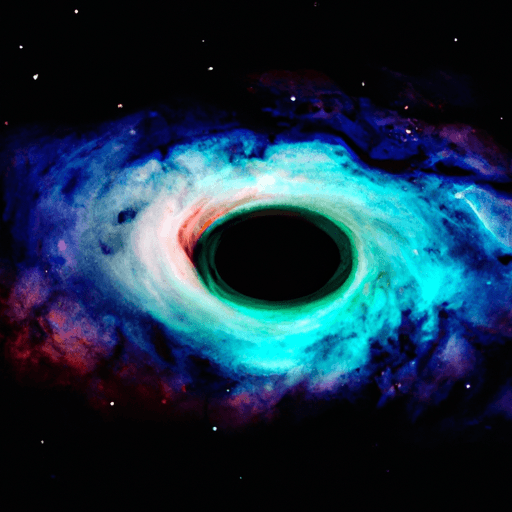
Experiment variations to consider include analyzing the colors of different types of celestial objects (such as black holes or pulsars), or exploring the effects of different filters on the colors of objects.
Full project details
Additional information and source material for this project are available below.
These videos explain the science behind this project and demonstrate key concepts used in the experiment.
This cartoon video from the Royal Observatory Greenwich explains what light is and the many different kinds of light that help us understand the universe - all in under 3 minutes!